 Stays
StaysStays
Are Sleep Aids Safe on Planes? What Travelers Should Know
Discover whether sleep aids help or hinder sleep on planes, with insights on risks, alternatives, and strategies for better rest on long-haul flights.
 Stays
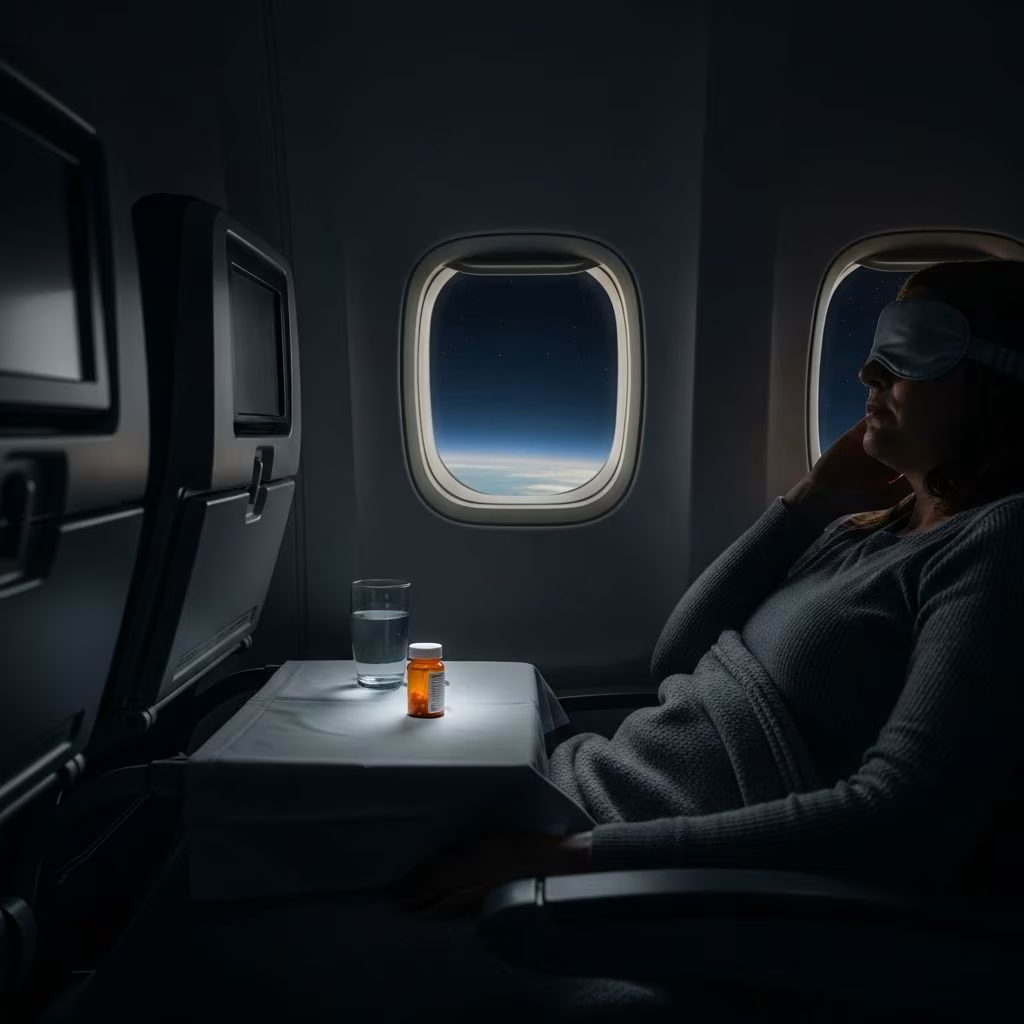
StaysLong-haul flights challenge even the best sleepers with cramped seats, cabin noise, and erratic lighting. Many travelers turn to sleep aids for relief, but experts caution against hasty decisions. While some aids can promote rest, risks like prolonged drowsiness and unpredictable reactions make them controversial for airborne use.
Why Plane Sleep Feels Impossible
Airplane environments disrupt natural sleep cycles. Dry cabin air dehydrates passengers, reducing comfort, while low humidity levels exacerbate fatigue without delivering true rest. Constant engine hums, crying babies, and service carts interrupt dozing attempts. Time zone shifts compound issues, triggering jet lag symptoms like insomnia and daytime sleepiness that can linger for days.
Seats designed for upright posture strain necks and backs, making deep sleep rare. Economy class limitations amplify these hurdles, prompting aid-seeking behaviors. Understanding these factors helps travelers prioritize preparation over quick fixes.
Common Sleep Aids and Their Flight Suitability
Several options exist, from prescription hypnotics to over-the-counter remedies. Each carries unique profiles for duration, side effects, and travel compatibility.
| Aid Type | Examples | Duration | Flight Recommendation |
|---|---|---|---|
| Prescription Hypnotics | Ambien (zolpidem), Lunesta (eszopiclone) | 6-8 hours | Avoid short flights; test at home first |
| Antihistamines | Benadryl (diphenhydramine), Advil PM | 8+ hours | Short-term use possible; grogginess risk |
| Melatonin Supplements | ZzzQuil PURE Zzzs | 4-5 hours | Suitable for jet lag; drug-free option |
| Benzodiazepines | Restoril (temazepam) | Up to 24 hours | Not for flights; long wait times |
This table highlights key considerations. Prescription drugs like zolpidem demand 24-hour clearance before critical tasks, per aviation guidelines, underscoring aviation safety parallels for passengers.
Risks of Sedatives During Air Travel
Sleeping pills promise quick slumber but deliver potential pitfalls. FDA updates warn of severe incidents like sleepwalking, which have caused injuries and fatalities even on first doses. These complex sleep behaviors defy prediction, affecting anyone regardless of prior history.
- Grogginess Hangover: Aids lasting 8 hours leave users foggy upon landing, impairing navigation through busy terminals or customs.
- Emergency Impairment: Sedation dulls alertness needed for turbulence or evacuations.
- Alcohol Interaction: Combining with drinks amplifies oversedation, risking dangerous actions mid-flight.
- Side Effects: Headaches, dizziness, nausea, and confusion plague users, worsened by cabin pressure.
Short flights under 10 hours pose highest dangers, as effects outlast travel time. Experts like Dr. Skiba advise against routine plane use, favoring non-drug strategies.
Prescription Pills: When Might They Work?
Not all flights suit every aid. For ultra-long hauls exceeding 12 hours, short-acting options like zaleplon (Sonata, 12-hour clearance) may align better. Internist Dr. Contacessa notes matching medication duration to flight length prevents post-landing haze.
Always consult physicians beforehand. Trial runs at home reveal personal reactions—some experience restlessness or vivid dreams unmasked in familiar settings. Aviation medical standards prohibit pilot use without extended waits, a prudent model for travelers prioritizing safety.
Melatonin: A Gentler Alternative?
This hormone regulates circadian rhythms, making it ideal for jet lag combat. Doses ease sleep onset without heavy sedation, lasting 4-5 hours to sync body clocks across zones.
Health authorities like HealthLink BC endorse melatonin for post-flight adjustment, taken before destination bedtime. Side effects remain mild—daytime fatigue risks high doses, so start low (0.5-5mg). Unlike hypnotics, it avoids dependency and FAA wait times, positioning it as travel-friendly.
Timing matters: Ingest pre-boarding for eastward flights or upon landing westward. Combine with light exposure strategies for amplified effects.
Non-Drug Strategies for Mid-Flight Rest
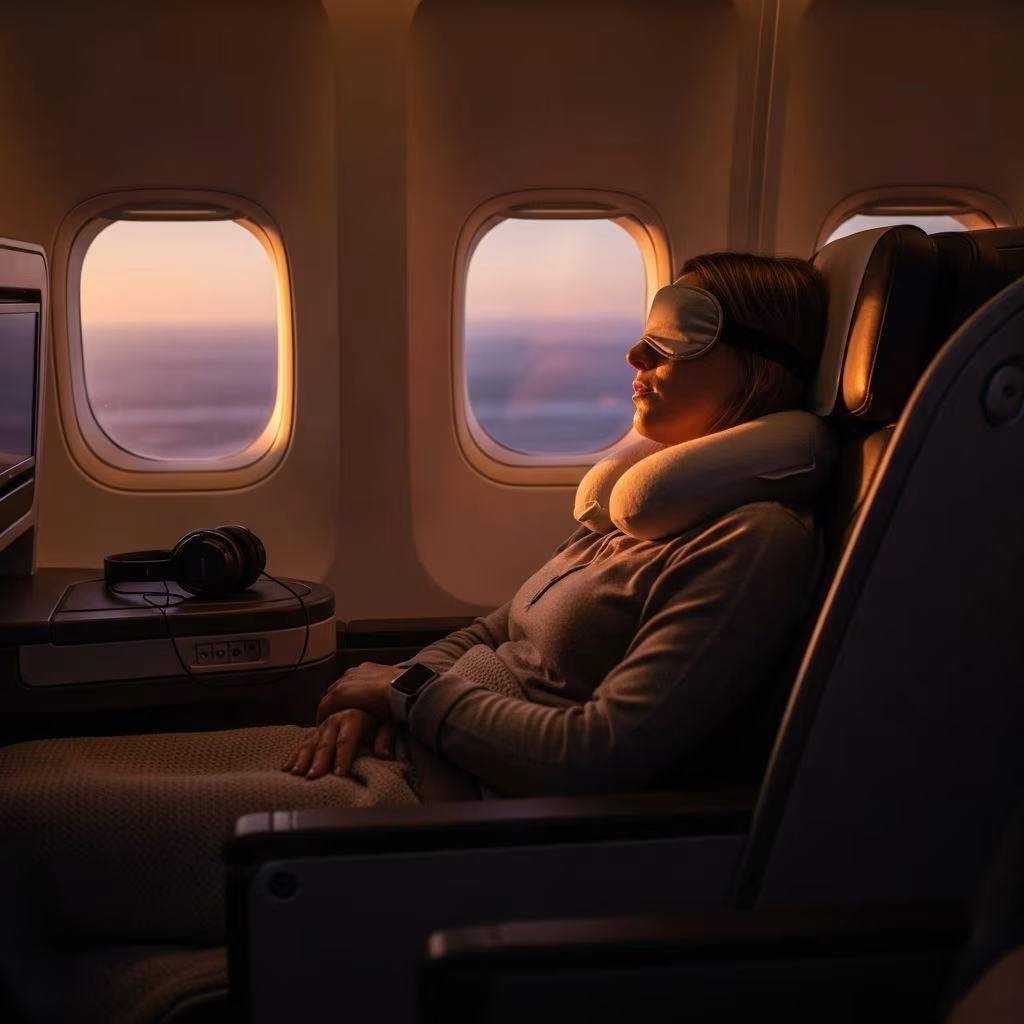
Experts prioritize behavioral tweaks over pills. Dr. Skiba champions sensory blockers: eye masks shield from cabin lights, noise-cancelling headphones mute disturbances.
- Choose window seats for leaning support and privacy.
- Layer clothing for temperature flux; pack neck pillows.
- Hydrate aggressively—avoid caffeine and alcohol.
- Pre-flight: Align sleep schedules via naps or late nights.
- Motion sickness aids like Bonine induce drowsiness sans heavy sedation.
Reserve premium economy or business for recline advantages. Seatbelt visibility ensures undisturbed rest without loose straps risking injury.
Jet Lag Mastery Beyond the Flight
Plane sleep addresses immediate needs, but jet lag lingers. Shift routines days prior: westward travelers delay bedtimes, eastward advance them. Upon arrival, embrace daylight for melatonin suppression and natural resets.
Sleep aids post-landing aid acclimation—zolpidem or zopiclone short-term, per studies, though side effects persist. Recovery spans 3-4 days typically, faster with hydration and activity.
Expert Consensus and Traveler Experiences
Sleep specialists converge: Avoid novel aids aloft. Dr. Favini urges home trials; forums echo successes with melatonin or unmedicated dozing. Business travelers swear by Ambien for overnights, securing 6+ hours despite caveats.
Preferences vary—some savor flights med-free for meals and movies, staying vigilant. Personalized testing trumps one-size-fits-all.
FAQs: Sleep Aids on Planes
Can I mix sleeping pills with alcohol on a flight?
No—additive effects cause dangerous oversedation or behaviors like sleepwalking.
Is melatonin safe for all travelers?
Generally yes, but consult doctors if epileptic or on warfarin; avoid excess doses.
How long after a pill can I drive post-flight?
Wait full durations: 24 hours for Ambien, longer for others.
Best natural way to sleep on a plane?
Eye masks, earplugs, hydration, and neck support top lists.
Do over-the-counter PM aids work well?
They drowsy via antihistamines but risk 8-hour grogginess.
Final Thoughts on Choosing Wisely
Weigh flight length, personal tolerance, and safety. Natural methods suffice for most; aids suit select scenarios with prep. Prioritize restful arrivals over forced slumber.
References
- A Sleep Expert Shares How To Actually Sleep On A Plane — Henry Ford Health. 2025-04-01. https://www.henryford.com/blog/2025/04/how-to-actually-sleep-on-a-plane
- Is It Bad to Take Sleeping Pills on Planes? — The Points Guy. 2023-10-15. https://thepointsguy.com/airline/taking-sleeping-pills-on-planes/
- Sleeping on the plane? — Rick Steves Travel Forum. 2023-05-20. https://community.ricksteves.com/travel-forum/england/sleeping-on-the-plane
- 10 Tips to Avoid Jet Lag and Sleep Well on Flights — ZzzQuil. 2024-02-10. https://www.zzzquil.com/en-us/article/jet-lag-prevention-and-remedies
- Sleep Problems: Dealing With Jet Lag — HealthLink BC. 2024-01-05. https://www.healthlinkbc.ca/healthwise/sleep-problems-dealing-jet-lag
- Sleep Aid and wait times — Federal Aviation Administration. 2025-03-15. https://www.faa.gov/ame_guide/pharm/sleepaids
- Is It a Good Idea to Take Melatonin or a Sleeping Pill on… — theSkimm. 2024-06-12. https://www.theskimm.com/travel/sleeping-pills-on-flights
On This Page
Why Plane Sleep Feels Impossible Common Sleep Aids and Their Flight Suitability Risks of Sedatives During Air Travel Prescription Pills: When Might They Work? Melatonin: A Gentler Alternative? Non-Drug Strategies for Mid-Flight Rest Jet Lag Mastery Beyond the Flight Expert Consensus and Traveler Experiences FAQs: Sleep Aids on Planes Final Thoughts on Choosing Wisely← Previous
Best Winter 2026 Hotel Openings for Ski, Sun and Style
Next →
Flight Delay Compensation: Passenger Rights, Refunds, and Claims
Related Reading