

 Travel Essentials
 Travel Essentials

Uncover the rugged beauty of Arikok National Park in Aruba, from ancient caves and natural pools to diverse wildlife and hiking adventures.
 Travel Essentials
Arikok National Park stands as Aruba’s premier natural gem, encompassing over 7,900 acres of diverse terrain that showcases the island’s untamed side. This protected area offers visitors a blend of geological marvels, cultural heritage, and outdoor pursuits, making it a must-visit for anyone seeking an authentic Aruba experience.
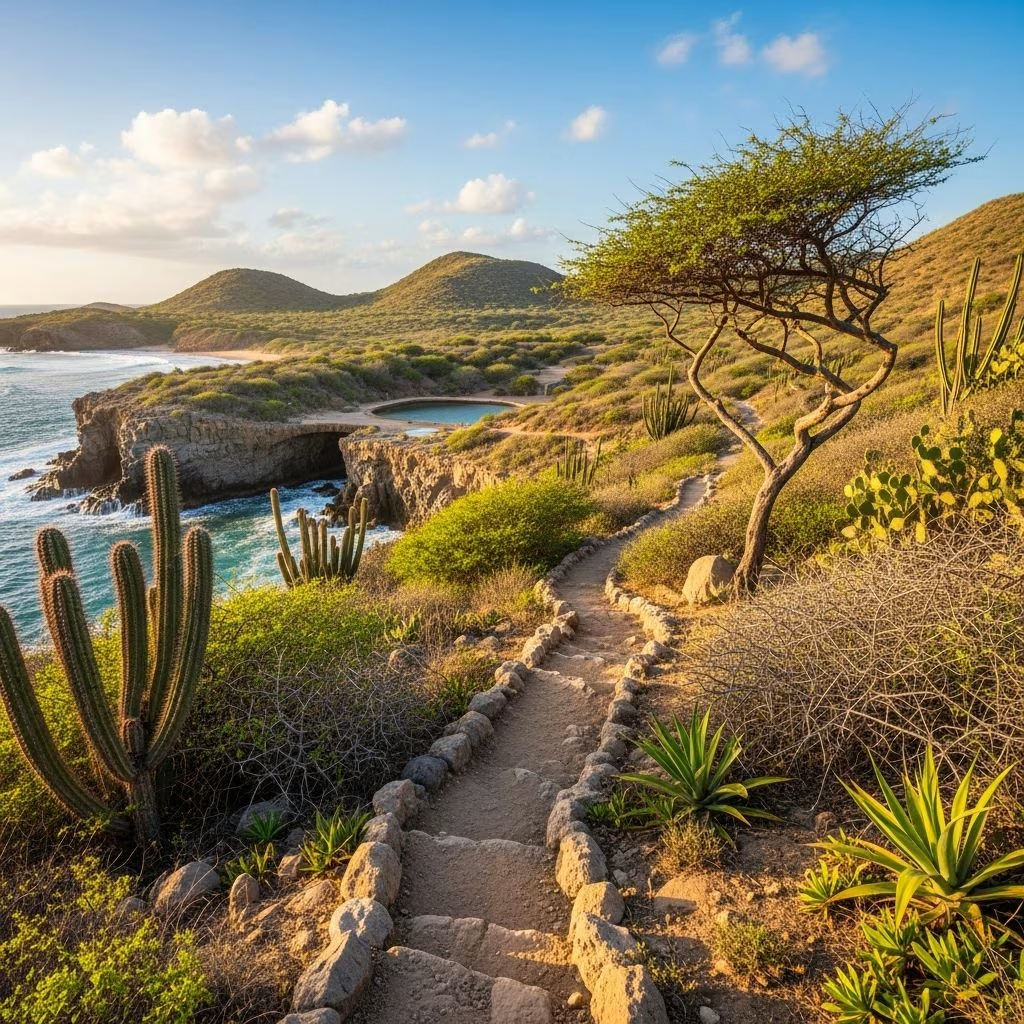
Unlike the palm-fringed beaches of Aruba’s tourist hubs, Arikok reveals a stark, arid landscape shaped by volcanic activity, erosion, and time. Lava formations, quartz diorite outcrops, and limestone structures dominate the scenery, interspersed with cacti forests and thorny shrubs adapted to the desert climate. The park’s ecosystems support free-roaming wildlife, including goats, lizards, and endemic bird species, providing a glimpse into Aruba’s pre-colonial environment.
Established to preserve these unique features, the park plays a crucial role in conservation efforts. Entrance fees fund maintenance, research, and educational initiatives, ensuring future generations can enjoy its splendor.
Reaching Arikok requires preparation, as public transport does not serve the area. From Aruba’s hotel zone in the north, the drive south takes about 40 minutes via paved roads turning into rugged tracks. Renting a 4WD vehicle is strongly advised for navigating the park’s bumpy paths, speed bumps, and rocky surfaces—standard cars may struggle. ATVs, UTVs, and motorbikes are banned to minimize environmental impact.
Taxis or guided tours offer hassle-free alternatives, especially for cruise passengers who must book through their ship. The park operates daily from 8am to 4pm, with an adult entry fee of $11 (children 17 and under enter free). This conservation charge supports park upkeep.
Arrive early to beat the heat and crowds; pick up a trail map at the center for self-guided exploration.
Arikok’s attractions draw adventurers with their raw beauty and historical significance. Key highlights include dramatic coastal formations and serene inland oases.
The park’s iconic Natural Pool (Conchi) is a turquoise basin surrounded by jagged rocks, where waves crash to create a swimmable paradise—conditions permitting. Access involves a moderate hike or 4WD drive along the Northern Loop, rewarding visitors with cliffside views. Strong currents make swimming risky on rough days; lifeguards are absent, so heed warning signs.
This eroded limestone arch once spanned the sea but collapsed in 2005. Its remnants offer photo ops against crashing waves, symbolizing nature’s power. Nearby wild beaches like Boca Prins provide secluded sands backed by dunes.
Venture to Dos Playa for twin beaches ideal for picnics, or Moro for a remote escape. Dry riverbeds lead to these spots, showcasing geological diversity.
Arikok guards Aruba’s prehistoric secrets in two public caves: Fontein and Quadirikiri, open 8am-4pm with ranger-guided tours.
These sites illuminate the Arawak Indians’ history, who inhabited Aruba centuries ago. Flash photography is prohibited to protect the art.
Arikok caters to all fitness levels with dynamic pursuits amid stunning backdrops.
Trails vary from easy strolls to challenging climbs. The Cunucu Arikok Trail introduces flora, fauna, and geology—perfect for beginners. Strenuous paths involve ropes and basic climbing; guided ranger hikes (book ahead, some $25 fee) enhance safety and insights.
| Trail Name | Difficulty | Highlights | Duration |
|---|---|---|---|
| Cunucu Arikok | Easy | Flora, pictographs, adobe ruins | 1-2 hours |
| Northern Loop | Moderate | Beaches, pools, viewpoints | Half-day |
| Boca Prins | Strenuous | Dunes, cliffs, wildlife | 3+ hours |
Park rangers lead off-road 4WD tours, horseback rides, and nature walks, spotlighting endemic plants like the Aruba daisy and birds such as the Aruban whiptail lizard. Private operators offer customized adventures, ideal for families.
Spot wild goats (whose cries mimic children), iguanas, and over 200 bird species. Respect distances to avoid disturbing habitats.
Year-round appeal, but December-April offers drier weather for hiking. Avoid peak summer heat; early arrival maximizes enjoyment. Cruise days see more crowds—opt for weekdays.
Yes, with easy trails and ranger tours, though supervision is needed near cliffs and pools.
Full day ideal for multiple sites; half-day for highlights.
4WD recommended; possible but challenging without.
Visitor center has facilities; minimal shade—bring protection.
Report to rangers; do not approach.
Arikok exemplifies sustainable tourism. Fees maintain roads and trails, while ranger programs educate on biodiversity. Visitors contribute by treading lightly, supporting Aruba’s commitment to its natural heritage.
