

 Travel Essentials
 Travel Essentials

Explore Arizona's 385-mile section of Route 66, featuring desert drives, charming towns, national parks, and classic roadside attractions.
 Travel Essentials
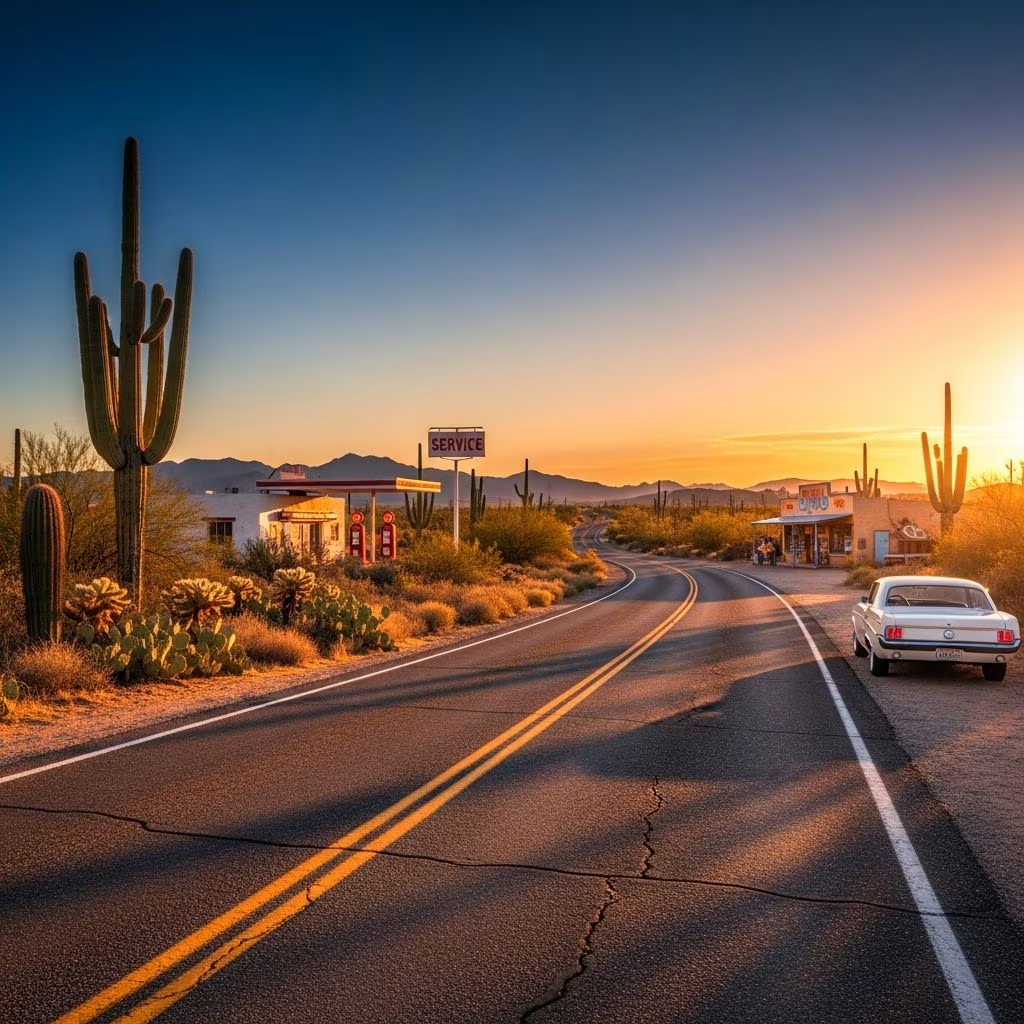
Arizona stands as the crown jewel of Route 66 preservation, offering travelers the longest continuous stretch of the original Mother Road still accessible for driving. Spanning 385.2 miles from Lupton in the east to just west of Kingman, Arizona’s section of this legendary highway represents an essential pilgrimage for anyone seeking to experience authentic Americana. The state’s portion of Route 66 showcases the dramatic transformation of American landscape and culture, moving through rugged mountains, vast desert expanses, and charming communities frozen in time.
What distinguishes Arizona’s Route 66 experience from other states is the remarkable preservation of both the physical roadway and the cultural heritage surrounding it. Travelers venture through terrain that inspired generations of artists, writers, and adventurers. The diversity of Arizona’s landscape along this route—from pine forests near Flagstaff to the stark beauty of the Painted Desert—creates a varied and memorable driving experience that captures the essence of twentieth-century American travel.
Successfully navigating Arizona’s Route 66 requires strategic planning that balances the desire to explore thoroughly with practical time constraints. Most travelers approach the route from two directions: either heading west from New Mexico toward California, or beginning in the west and traveling eastward. Understanding entry points and logical progression through the state helps maximize your experience.
For those originating from Las Vegas, the traditional approach follows Highway 93 south to Kingman, though experienced Route 66 enthusiasts recommend the alternative through Topock. This less-traveled path takes approximately the same time while providing access to one of Arizona’s most thrilling driving experiences: the Black Mountain section of the Oatman Highway, featuring 191 dramatic corkscrew turns that wind through spectacular Mojave Desert scenery.
A practical three-day itinerary might include driving from Topock to Williams on the first day, dedicating the second day to exploring the Grand Canyon via the south entrance and exiting through the east entrance before settling in Flagstaff, and spending the third day traversing the eastern sections of Route 66 through historic towns and natural wonders. Those with extended time can afford to linger in individual towns and explore surrounding attractions more thoroughly.
The Oatman Highway represents one of Route 66’s most exhilarating driving experiences. This 191-curve section winds through the craggy Black Mountains before descending into the dusty town of Oatman, a former gold mining settlement that has transformed into a living tribute to Old West character. The curves demand respectful driving, but the spectacular Mojave Desert vistas justify the concentrated attention required.
Oatman itself deserves more than a brief photo stop. Wild burros, descendants of mining-era pack animals, roam the streets freely, adding an unexpected element of frontier authenticity. The town’s tourist attractions include historic saloons, novelty shops, and the famous annual Fourth of July Sidewalk Egg Fry—a quirky event that demonstrates how creative communities celebrate their desert heritage. Local restaurants and cafes preserve the casual, unpretentious dining style that characterized mid-twentieth-century Route 66 hospitality.
Kingman represents the longest continuous stretch of Route 66 blacktop still in existence—158 miles of virtually uninterrupted original pavement. This distinction makes Kingman more than just a convenient stopping point; it serves as the symbolic center of Route 66 preservation in Arizona. The town’s strategic location and comprehensive Route 66 infrastructure have positioned it as essential to understanding the highway’s cultural significance.
The Route 66 Museum in Kingman provides valuable historical context, displaying artifacts and information that illuminate the highway’s evolution and cultural impact. Beyond the museum, Kingman offers the classic American diner experience through establishments serving hearty meals and authentic milkshakes. The famous Route 66 shield landmark provides the quintessential photo opportunity that signals completion of a Kingman visit.
Nearby attractions add variety to the Kingman stop. Giganticus Headicus—a striking 14-foot-tall green tiki head—stands as an amusing roadside sentinel. The Hackberry General Store, located just miles from Kingman, functions as a treasure repository of Route 66 memorabilia, featuring vintage gas pumps, classic automobiles, and nostalgic signage that encapsulates the spirit of mid-century American roadside commerce.
Seligman has emerged as the quintessential Route 66 town in Arizona—a place where the highway’s genuine character remains palpable and authentic. Often described as the beating heart of Route 66, Seligman preserves the era when driving the highway meant genuine human interaction and unpretentious hospitality. The Snow Cap Drive In, still operated by the family of legendary Juan Delgadillo who founded it decades ago, serves as the emotional center of Seligman’s Route 66 identity. The establishment maintains Delgadillo’s tradition of combining food service with good-natured humor and warmth.
Beyond dining, Seligman offers visitors opportunities to engage with Route 66 history through several museums and visitor centers. The town’s mom-and-pop establishments, vintage motor courts with iconic neon signage, and local business owners who actively preserve Route 66 heritage create an atmosphere that transports visitors to an earlier era of American travel. Walking through Seligman means encountering business owners and residents who genuinely value the highway’s history and eagerly share their knowledge with interested travelers.
Nestled beneath Arizona’s San Francisco Peaks—the state’s highest mountains—Flagstaff represents a dramatic environmental transition point along Route 66. The elevation shift from desert to forest creates noticeably different climate conditions and landscape character. This mountain town combines Route 66 heritage with contemporary vitality, featuring a thriving downtown district energized by the presence of Northern Arizona University.
Flagstaff’s Route 66 attractions include the Mother Road Brewery, where visitors can enjoy craft beverages while discussing highway history with fellow travelers and locals. The “Walk the Talk” self-guided walking tour illuminates lesser-known chapters of Flagstaff’s Route 66 past, connecting visitors with the town’s role in the highway’s broader story. Beyond Route 66 specifically, Flagstaff’s dining, shopping, and entertainment options provide welcome urban amenities after extended time on the highway.
Arizona’s Route 66 section provides convenient access to several significant natural attractions. The Petrified Forest National Park represents one of the most visited stops, featuring ancient petrified wood, the Painted Desert’s striking colored rock formations, and numerous hiking opportunities. The Blue Mesa Trail offers an accessible hiking experience with spectacular views, while Newspaper Rock displays over 600 ancient petroglyphs created by indigenous peoples centuries ago.
Walnut Canyon National Monument offers another easily accessible prehistoric settlement experience, featuring cliff dwellings and interpretive trails that illuminate indigenous Arizona history. Sunset Crater provides a less-crowded alternative approach to experiencing Arizona’s geological drama compared to the Grand Canyon, while still offering comparable natural grandeur.
Grand Canyon National Park access from the Route 66 corridor enhances the overall road trip experience. The detour to Arizona’s most famous natural wonder remains worthwhile despite the canyon’s popularity. Exiting through the east entrance and looping toward Flagstaff creates a logical Route 66 progression while maximizing canyon exposure.
Beyond the major destinations, Arizona’s Route 66 passes through numerous smaller communities that preserve authentic mid-century character. Williams, the last Route 66 town bypassed by Interstate 40, retains considerable vintage character and serves as the terminus for the Grand Canyon Railway. Winslow combines Route 66 heritage with cultural attractions, while Jerome—often described as Arizona’s liveliest ghost town—sits perched in the hills with a distinctive artistic community character.
These smaller towns collectively create the Route 66 experience that casual visitors might otherwise overlook. Their mom-and-pop diners, vintage motor courts, and independent business operations represent the highway’s authentic character better than larger commercial establishments.
Located along the eastern section of Arizona’s Route 66, Stewart’s Petrified Wood Trading Post features animated dinosaurs among extensive displays of petrified wood specimens. The quirky attraction represents the classic Route 66 roadside experience—unexpected, slightly offbeat, but memorable.
Arizona’s second-most distinctive hole in the ground (after the Grand Canyon) offers visitors the opportunity to descend into a massive impact crater created approximately 50,000 years ago. This unique geological attraction demonstrates Route 66’s ability to lead travelers to remarkable natural phenomena.
Once a prime Route 66 tourist destination, Grand Canyon Caverns remains accessible to visitors seeking to explore underground chambers and geological formations. The caverns represent the type of mid-century roadside attraction that defined Route 66 travel experience.
The famous “Sleep in a Teepee” Wigwam Village in Holbrook survives as a unique lodging option and tangible piece of Route 66 history. The distinctive teepee-shaped motor court rooms preserve the roadside motel character that made mid-century Route 66 travel distinctive.
Spring (March-May) and fall (September-November) offer ideal temperatures for extended driving and sightseeing. Summer temperatures, particularly in lower desert elevations, can exceed 110°F, while winter weather in high elevations near Flagstaff may impact driving conditions. The shoulder seasons provide comfortable temperatures and fewer crowds than peak summer season.
A minimum three-day itinerary allows coverage of major attractions, while five to seven days enables more thorough exploration of smaller towns and natural wonders. The experience quality improves significantly with additional time for unhurried exploration and spontaneous discoveries.
Arizona’s 385-mile section represents the longest continuous preservation of original Route 66, making it worthwhile as a standalone destination. However, traveling adjacent sections through New Mexico and California provides broader historical context and varied landscapes.
Vintage motor courts, many operating continuously since mid-century, offer authentic lodging experiences. Towns like Seligman, Williams, and Winslow maintain historic accommodations alongside contemporary options. Staying in period-appropriate facilities enhances overall Route 66 immersion.
Most major attractions remain accessible, though some operate seasonally or with limited hours. Many historic businesses continue operation by families across multiple generations, while others have transitioned to museum status. Current information through local visitor centers ensures accurate operational details.
Vehicle maintenance becomes important before undertaking extended Route 66 driving. While the highway remains fully drivable, desert conditions and high temperatures place demands on cooling systems and tires. Fuel availability requires planning, as stretches between gas stations occasionally exceed typical intervals.
Navigation has been simplified through modern technology, yet printed maps and guidebooks remain valuable for discovering unmarked attractions and understanding historical context. Cell service coverage varies through remote sections, particularly in desert regions east of Flagstaff.
Water and snacks warrant carrying in vehicle supplies, particularly when traversing the extensive desert sections. Sunscreen, hat, and sunglasses protect against intense desert sun exposure during stops and explorations. Comfortable walking shoes enable proper investigation of attractions and small towns.
Arizona’s Route 66 represents far more than a historic highway—it constitutes a cultural artifact capturing American identity during a transformative era. The towns, businesses, attractions, and landscapes along this route tell the story of post-World War II American optimism, entrepreneurship, and the cultural mythology surrounding automobile travel. For contemporary travelers, experiencing Arizona’s Route 66 provides tangible connection to this historical narrative while supporting communities that have maintained this heritage despite decades of societal change.
The 385-mile Arizona section of Route 66 offers an intensive, manageable Route 66 experience that captures the highway’s essence. Whether undertaken as a complete journey or visited in sections, Arizona’s Mother Road preserves genuine Americana in a landscape as distinctive and memorable as the highway itself.
