

 Travel Essentials
 Travel Essentials

Explore Arizona's 22 Native tribes, their ancestral lands, cultural traditions, and visitor opportunities across diverse landscapes from deserts to canyons.
 Travel Essentials
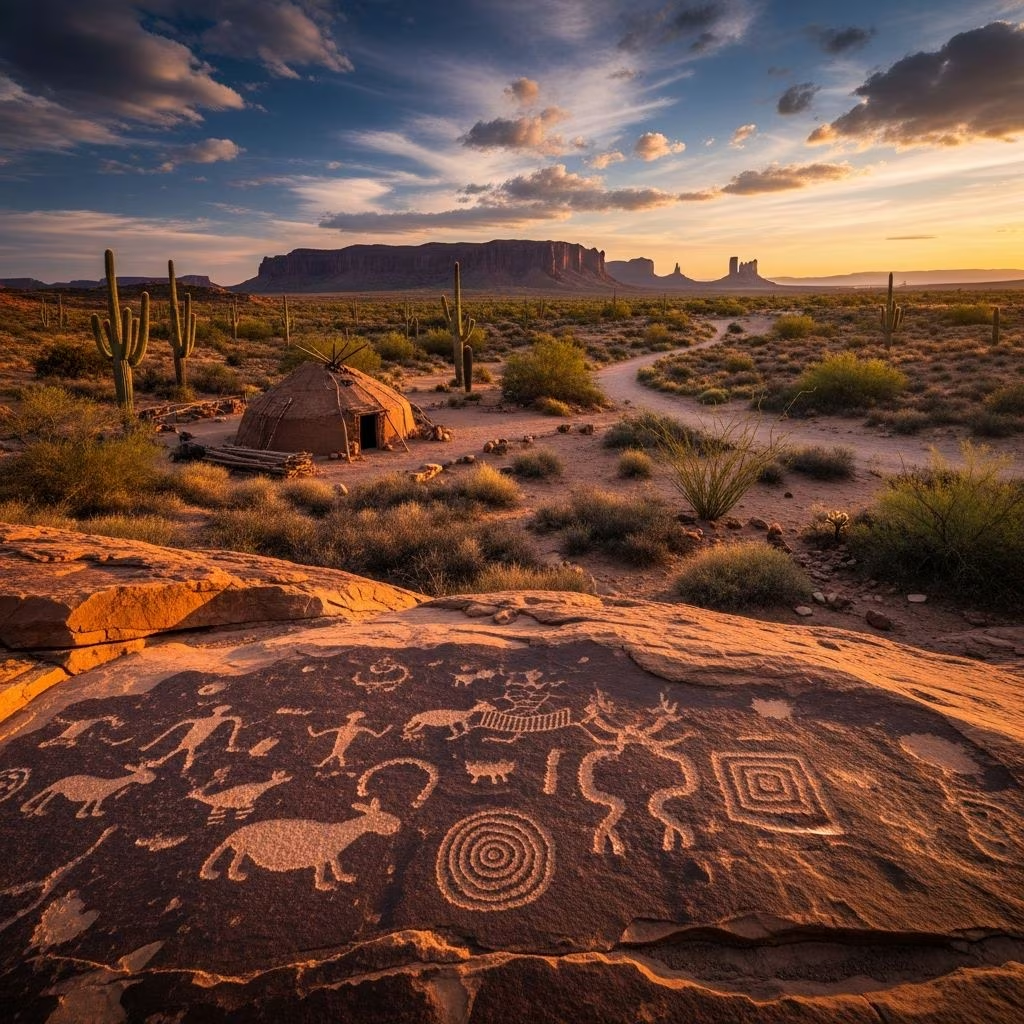
Arizona stands as a living testament to the enduring presence of Native American peoples, hosting **22 federally recognized tribes** whose ancestral lands span vast deserts, towering canyons, and sacred mesas. These communities maintain vibrant traditions while inviting respectful visitors to experience their world. This guide delves into their histories, key destinations, cultural practices, and essential travel tips for meaningful engagement.
Arizona’s tribal landscape reflects a mosaic of languages, customs, and environments. From the expansive Navajo Nation in the northeast to the resilient Havasupai in the Grand Canyon’s depths, each group contributes uniquely to the state’s identity.
These are among the 22 groups, including the Ak-Chin, Cocopah, Gila River Indian Community, and Zuni Pueblo, each with distinct endonyms and histories.
Long before European arrival, Arizona’s indigenous peoples developed sophisticated societies. The Hopi trace ancestry to ancient Pueblos, building cliff dwellings and irrigation systems. Navajo arrived later, blending Athabaskan roots with Pueblo influences. Apache bands roamed as skilled warriors and traders, while O’odham adapted to Sonoran Desert cycles.
Federal recognition solidified reservations post-19th century treaties and executive orders. Today, these lands total millions of acres, protected sovereign territories. The Colorado River Indian Tribes, for instance, unite Mohave, Chemehuevi, Hopi, and Navajo under one reservation near Parker.
Travelers can immerse in authentic settings by following tribal guidelines. Here’s a curated selection:
| Tribe | Key Site | Highlights | Location |
|---|---|---|---|
| Navajo Nation | Monument Valley | Guided tours, Navajo tacos, rug weaving demos | NE Arizona |
| Hopi | First Mesa | Villages like Walpi, kachina carvings, corn grinding | Amid Navajo lands |
| Hualapai | Grand Canyon West | Skywalk, eagle cruises, cultural center | Grand Canyon rim |
| San Juan Southern Paiute | Tuba City area | Basketry, storytelling near Navajo | Western Navajo edge |
| Fort McDowell Yavapai | Casino and river access | Yavapai-Apache heritage events | Scottsdale area |
These spots offer photography permits, guided hikes, and markets showcasing jewelry, pottery, and frybread.
Arizona tribes preserve rituals amid modernity. Hopi ceremonies honor Katsinam—spirit messengers—through masked dances. Navajo healing chants like the Blessingway restore harmony (hózhó). Yaqui Easter processions merge indigenous and Spanish elements, drawing global pilgrims.
Art flourishes: Zuni fetish carvings, Hopi overlay silver, Apache baskets. Annual powwows, like the Navajo Nation Fair, feature intertribal dances, rodeos, and foods like hominy stew. Visitors witness silversmithing at Hubbell Trading Post or pottery firing on Acoma Pueblo fringes.
Entering tribal lands requires cultural sensitivity:
Many tribes offer visitor centers with maps. Cell service is spotty; download offline resources. Support via tribal lodges like Twin Arrows Navajo Casino Resort.
Tourism bolsters tribal self-determination. Hualapai’s Grand Canyon West generates jobs via Skywalk fees. Gila River’s casinos fund education. Yet, balance is key—overtourism strains resources, prompting caps at fragile sites.
Initiatives like Arizona Office of Tourism’s Tribal Brochure promote responsible visits, highlighting eco-tours and cultural exchanges. Visitors contribute by choosing authentic experiences over commercial replicas.
Time trips around vibrant gatherings:
Verify dates via official calendars, as weather or protocols may shift events.
What are Arizona’s 22 tribes?
They include Navajo, Hopi, Hualapai, Tohono O’odham, Ak-Chin, and others listed federally.
Do I need a permit for tribal lands?
Yes, for cameras, events, or off-road; check visitor centers.
Can non-Natives attend ceremonies?
Some are public; others private—ask guides respectfully.
What’s the best time to visit?
Spring/fall for mild weather; summer monsoons add drama to canyons.
How to support tribes?
Buy crafts, dine locally, follow Leave No Trace.
Arizona’s tribal lands bridge past and future, where visitors witness resilience. By traveling mindfully, you honor stewards of these timeless places, fostering mutual understanding. Plan your journey to connect deeply with America’s first nations.
