


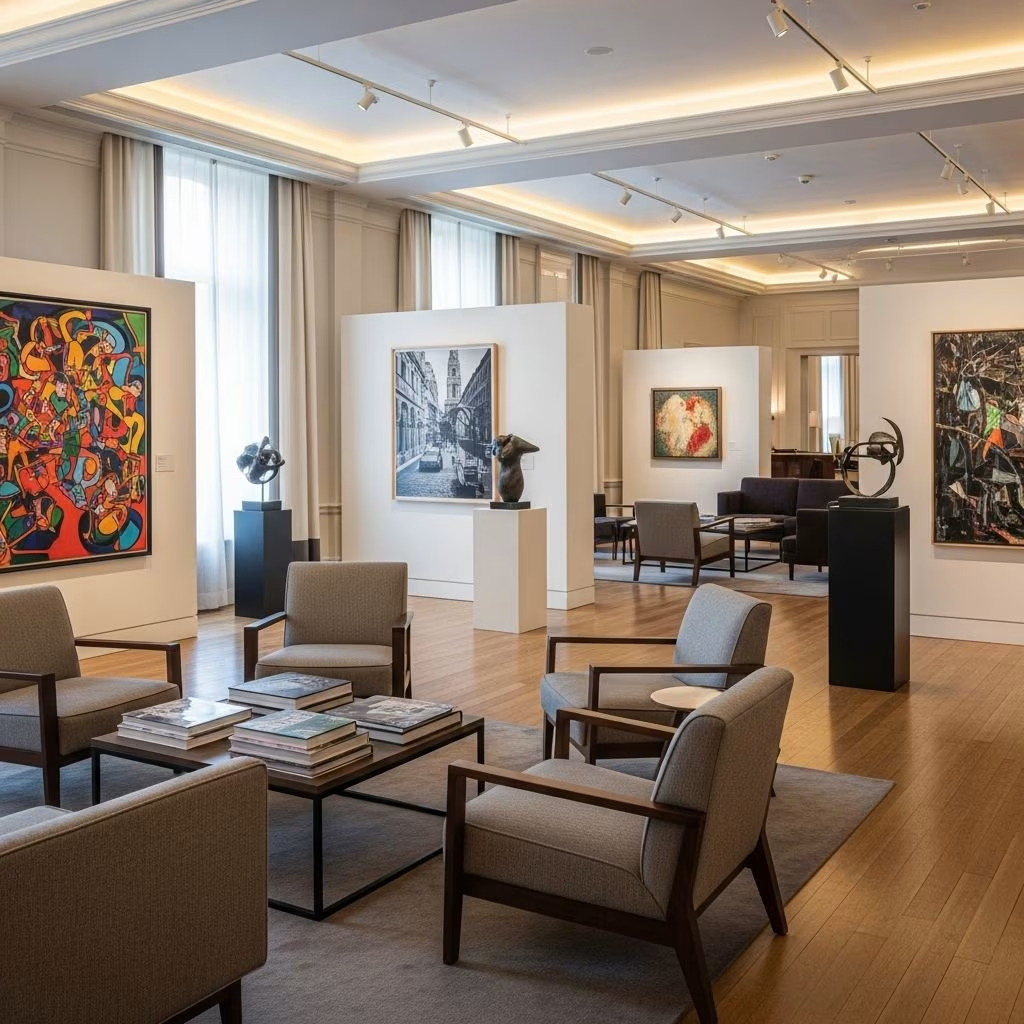
The intersection of fine art and travel hospitality has evolved into a distinctive niche for discerning guests seeking more than standard accommodations. Increasingly, luxury hotels worldwide are recognizing that integrating curated art collections and creative programming transforms a simple stay into a transformative cultural experience. These establishments function simultaneously as museums, galleries, and sanctuaries for those who appreciate aesthetics as much as comfort.
The Rise of Art-Centric Accommodation
Travelers today often prioritize experiences over material possessions, and this shift has prompted innovative hoteliers to reimagine their properties as cultural destinations. Rather than treating art as peripheral decoration, forward-thinking establishments have made creative expression central to their identity and operational philosophy. This approach attracts a demographic that views travel not merely as escapism but as intellectual and cultural enrichment.
The trend reflects broader changes in tourism, where authenticity and meaningful engagement increasingly outweigh traditional luxury markers. Guests staying at art-focused hotels gain access to carefully assembled collections, expert curation, and opportunities for direct interaction with creative practitioners that museums cannot always provide.
Continental Perspectives: Art Hotels Across Global Destinations
African Innovation and Waterfront Elegance
Cape Town’s contemporary hotel landscape showcases how architectural design can complement natural grandeur while housing thoughtful art programming. Properties overlooking the Victoria & Alfred Waterfront region demonstrate how strategic positioning—with expansive glass features and panoramic sightlines—creates environments where landscape itself becomes an artistic element. These establishments recognize that the surrounding environment’s visual drama requires interior spaces equally compelling, prompting investment in contemporary collections that dialogue with external vistas.
European Heritage and Historical Resonance
Florence represents an obvious choice for art-enthusiast travelers, given its unparalleled concentration of Renaissance masterworks and historical significance. Hotels strategically positioned throughout the city function as cultural anchors, providing guests convenient access to centuries of artistic achievement while offering their own curatorial selections. Similarly, Dublin’s hospitality sector has embraced art integration, with establishments like the Merrion Hotel establishing themselves as cultural institutions within urban environments.
London’s luxury accommodations demonstrate how sophisticated, contemporary art collecting complements heritage architecture. Properties overlooking iconic landmarks cultivate curated spaces where both historical references and modern artistic voices coexist, creating layered aesthetic experiences.
Asian Creative Hubs and Contemporary Expression
Kyoto’s guesthouse culture reflects distinctly Japanese approaches to blending hospitality, creativity, and spatial harmony. Boutique properties designed by renowned architects emphasize tranquility and artistic dialogue, positioning themselves as creative retreats rather than merely transactional lodging. These spaces prioritize quality over quantity, often limiting occupancy to preserve intimate atmospheres conducive to creative inspiration.
Beijing’s central business district has emerged as an unexpected destination for art-focused travelers, with properties featuring museum-caliber collections spanning multiple artistic traditions and historical periods. Vietnam’s colonial heritage influences contemporary hospitality design, with Saigon establishments incorporating architectural references to the French Indochina era while maintaining contemporary artistic sensibilities.
Curatorial Excellence and Collection Development
Distinguishing art-focused hotels from standard luxury properties requires understanding their approach to collection curation. Premier establishments employ dedicated art advisors or curators who select works based on thematic coherence, spatial considerations, and guest engagement potential. Rather than accumulating art as status symbols, thoughtful hoteliers create narratives through their collections that educate and inspire.
Collections vary dramatically in scope and focus. Some properties emphasize works by historical masters, while others prioritize contemporary practitioners or regional artists. This diversity allows travelers to select accommodations aligned with their specific artistic interests and knowledge levels.
Programming and Guest Engagement
Beyond static collections, sophisticated properties offer dynamic programming that enriches the hospitality experience. Artist-in-residence initiatives provide opportunities for guests to observe creative processes firsthand. Monthly receptions with featured artists, live painting demonstrations, and curated gallery walks transform passive observation into participatory experience.
Educational components—including expert-led discussions, historical presentations, and thematic programming—elevate guest understanding while justifying premium pricing through value-added offerings beyond accommodation and dining.
Architectural Considerations and Spatial Design
Successfully integrating art into hospitality environments requires sophisticated architectural thinking. Display spaces must balance aesthetic presentation with practical functionality, ensuring artworks complement rather than dominate guest spaces. Lighting design proves critical—improper illumination damages artwork while creating uninviting atmospheres.
Innovative properties experiment with unconventional spatial arrangements, positioning galleries within circulation routes so guests encounter artworks during daily navigation rather than requiring dedicated museum-style visits. This integration normalizes aesthetic engagement, embedding cultural experience into the rhythm of daily hospitality.
Amenities and Services Beyond Art Collections
Premier art-focused hotels recognize that comprehensive hospitality extends beyond visual experiences. Exceptional culinary programming, often reflecting regional artistic traditions or collaborating with acclaimed chefs, provides multisensory engagement. Wellness offerings—from meditation spaces to yoga studios—create holistic environments where creative and physical restoration complement each other.
Concierge services trained in local cultural geography enhance guest experiences by providing expert guidance to nearby museums, galleries, and artist studios. These personnel function as cultural interpreters, enriching understanding of both the hotel’s collection and the broader artistic landscape of host cities.
Investment in Infrastructure and Presentation
Maintaining art collections within hospitality environments requires specialized infrastructure. Climate control systems protect temperature-sensitive works while maintaining guest comfort. Security measures balance accessibility with artwork protection, requiring thoughtful design that never feels intrusive or corporate.
Premium properties invest substantially in professional conservation services, ensuring collections remain in optimal condition. This commitment to preservation demonstrates respect for artworks and signals quality to guests familiar with proper stewardship standards.
Market Segmentation and Target Demographics
Art-focused hotels successfully position themselves within specific market segments. Collectors and established art enthusiasts seek properties offering rare or significant works they might otherwise encounter only in major institutions. Academic travelers and cultural professionals appreciate educational opportunities and expert curation. Emerging enthusiasts value accessible entry points into artistic appreciation without pretension or gatekeeping.
This segmentation allows flexible pricing strategies while maintaining brand coherence. Boutique establishments command premium rates justified by curatorial expertise and exclusive experiences, while larger properties leverage collection diversity to attract varied guest profiles.
Challenges and Future Considerations
Operating art-focused hotels presents distinct challenges. Balancing artistic integrity with commercial hospitality requirements requires experienced leadership. Works must enhance rather than intimidate guest experiences, necessitating careful collection development. Staff training demands deeper cultural knowledge than typical hospitality positions, increasing operational complexity and costs.
Climate change threatens both artwork preservation and guest comfort, requiring innovative environmental management solutions. Escalating art market values create insurance and security challenges, potentially limiting collection expansion or necessitating display of works of varying provenance.
Emerging Trends in Artistic Hospitality
Contemporary properties increasingly embrace local and emerging artists rather than exclusively featuring established figures. This approach supports regional creative communities while offering guests authentic cultural engagement. Collaborative partnerships with art institutions provide access to loaned works, expanding curatorial possibilities without requiring permanent ownership.
Technology integration—through augmented reality interpretive experiences, digital storytelling, and interactive installations—represents a growing frontier. These tools enhance rather than replace physical artworks, creating multidimensional engagement opportunities.
Why Choose Art-Focused Accommodation
Benefits and Unique Value Propositions
- Immersive cultural experiences integrated seamlessly into hospitality
- Expert curatorial guidance and educational programming
- Access to significant artworks within intimate settings
- Community with fellow culturally engaged travelers
- Support for regional and emerging artistic practitioners
- Memorable experiences transcending standard luxury offerings
- Integration of aesthetic appreciation with daily relaxation
Planning Your Artistic Escape
Selecting appropriate art-focused accommodations requires considering personal artistic interests, desired geographic locations, and budget parameters. Researching collection compositions beforehand ensures alignment with your aesthetic preferences. Investigating programming schedules allows coordination with planned activities and special events. Reading detailed guest reviews provides insights into how properties balance art appreciation with practical hospitality.
Consider seasonal variations, as some destinations offer enhanced cultural programming during specific periods. Building flexibility into itineraries allows spontaneous artistic discoveries and serendipitous encounters with artists or curators.
Frequently Asked Questions
What distinguishes art hotels from standard luxury properties?
Art-focused hotels feature curated collections, expert programming, and staff trained in art history and cultural context. Their operational philosophy prioritizes aesthetic experience as central rather than peripheral to hospitality.
Are art hotel stays significantly more expensive than conventional luxury accommodations?
Pricing varies widely based on location, collection significance, and programming intensity. While some command premium rates, others offer comparable pricing to standard luxury properties, with added cultural value included.
Can guests without extensive art background appreciate these hotels?
Absolutely. Premier properties welcome diverse knowledge levels and provide educational resources supporting appreciative engagement regardless of prior expertise.
How do hotels preserve artwork within guest-accessible environments?
Properties employ professional conservation, advanced climate control, strategic display positioning, and trained staff oversight to protect collections while maintaining accessibility.
What types of programming might guests expect?
Common offerings include artist receptions, gallery walks, curated talks, live demonstrations, workshops, and thematic dinners connecting cuisine with artistic traditions.
References
- Sleep Among Masterpieces: Top Luxury Hotels for Art Lovers — Traveling Greek. Accessed April 2026. https://travelinggreek.com/blog/sleep-among-masterpieces-luxury-hotels-for-art-lovers
- These Are the 10 Best Hotels for Art Lovers — AFAR Media. Accessed April 2026. https://thevendry.com/list/VMH0sU/these-are-the-10-best-hotels-for-art-lovers
- Top 25 Historic Hotels of America Most Magnificent Art Collections — Historic Hotels of America. 2023. https://www.historichotels.org/us/2023-top-25-historic-hotels-of-america-most-magnificent-art-collections.php
- 10 Best Hotels for Art Lovers — Inspiring Travel. Accessed April 2026. https://www.inspiringtravel.co.uk/blog/best-hotels-for-art-lovers
- Best Art Deco Luxury Boutique Hotels (2026) — Design Hotels. 2026. https://www.designhotels.com/themes/art-culture/
- Luxury Hotels for Art Lovers — Business Class. Accessed April 2026. https://www.businessclass.com/hotels/toplists/luxury-hotels-for-art-lovers

