

 Travel Essentials
 Travel Essentials

Explore Aruba's top beaches, attractions, dining, and practical tips for planning your perfect island getaway on One Happy Island.
 Travel Essentials
Aruba, often called One Happy Island, captivates visitors with its powdery white sands, crystal-clear turquoise waters, and constant sunny weather. Lying outside the hurricane belt, this Dutch Caribbean gem offers year-round appeal for beach lovers, adventure seekers, and culture enthusiasts alike. Whether you’re lounging on world-renowned shores or exploring rugged landscapes, Aruba delivers relaxation and excitement in equal measure.
Aruba’s unique position in the southern Caribbean ensures mild temperatures averaging 82–88°F throughout the year, making it an ideal escape from colder climates. The island’s safety record is among the best in the region, allowing travelers to focus on enjoyment rather than worry. Its blend of Dutch colonial influences, indigenous Arawak heritage, and modern resorts creates a distinctive vibe that’s both sophisticated and laid-back.
Aruba welcomes visitors anytime, but peak season from December to April brings drier weather and higher crowds, perfect for holidays. Shoulder seasons like May–June or November offer fewer tourists and better deals on accommodations. Avoid summer if possible, though trade winds keep it comfortable even then.
| Season | Weather | Crowds | Pros |
|---|---|---|---|
| Dec–Apr (Peak) | Sunny, low rain | High | Ideal beach days, events |
| May–Nov (Off-Peak) | Warm, occasional showers | Low | Discounts, quieter beaches |
Queen Beatrix International Airport (AUA) handles direct flights from major U.S., Canadian, and European hubs. Upon arrival, expect a smooth process with modern facilities. All visitors must complete the Electronic Declaration (ED) Card online at edcardaruba.aw at least 48 hours prior—it’s mandatory and costs around $20. U.S. citizens need a valid passport; no visa required for stays up to 90 days.
Aruba’s hotel strip along Palm Beach and Eagle Beach hosts luxury all-inclusives like the Renaissance Wind Creek and Ritz-Carlton, ideal for families and couples. For a local feel, boutique options in Oranjestad or budget-friendly spots near San Nicolas provide charm without the crowds. Beachfront villas offer privacy for longer stays.
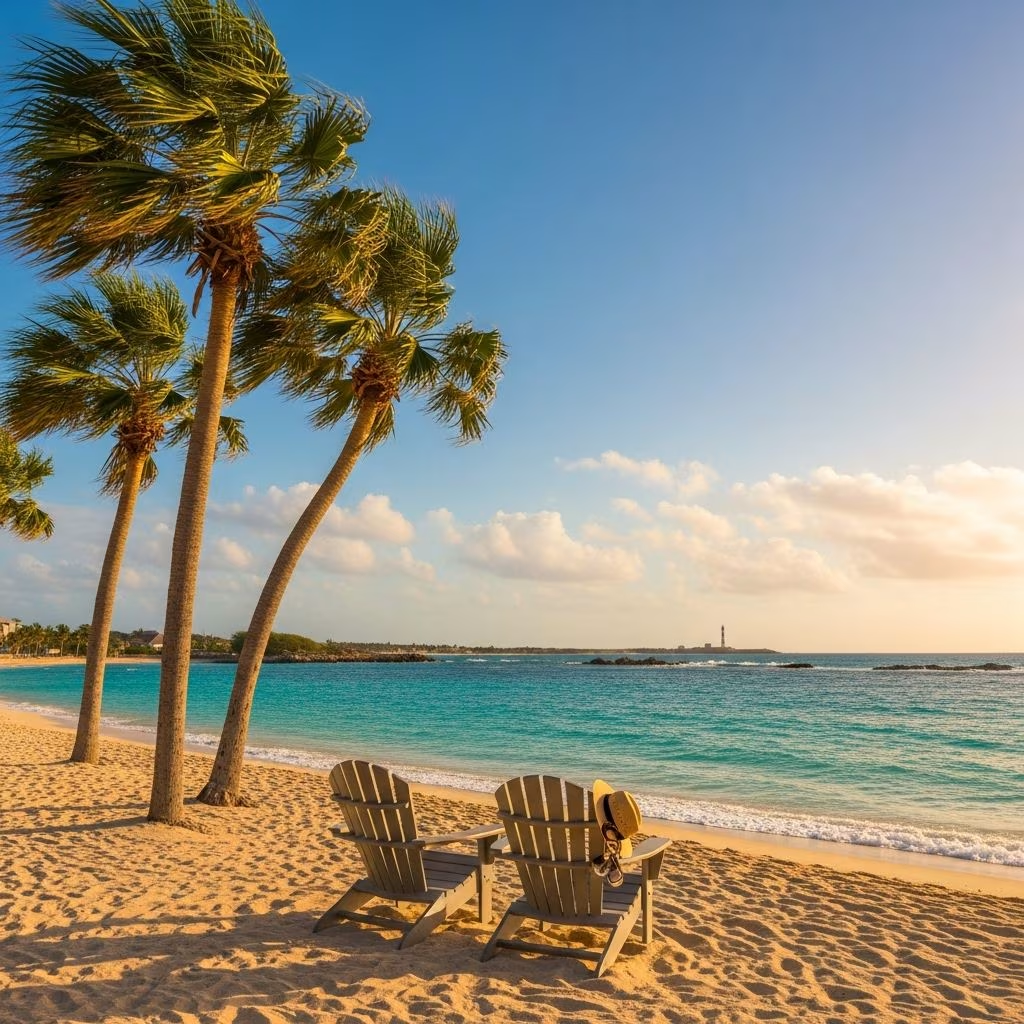
Aruba boasts over a dozen stunning beaches. Eagle Beach ranks among the world’s best with its wide sands and famous hut-shaped divi-divi trees—perfect for sunset strolls and horseback rides. Palm Beach buzzes with watersports, luxury loungers, and lively bars. For seclusion, head to Baby Beach in the southeast with its gentle waves, or Arashi Beach for snorkeling amid calm reefs.
Exclusive Flamingo Beach at the Renaissance Resort features pink flamingos wading in shallow lagoons—a photographer’s dream. Day passes allow non-guests limited access, including meals, but book ahead as they sell out fast.
Covering 20% of the island, Arikok National Park is Aruba’s wild heart. Hike through cactus-dotted deserts to hidden coves like Dos Playa and Boca Prins, prime turtle nesting sites. The Natural Pool (Conchi) offers thrilling swims amid volcanic rocks, though access requires 4×4 vehicles or guided tours due to rugged terrain. Explore caves with ancient petroglyphs and natural arches for a glimpse into Arawak history.
The colorful capital blends Dutch gables with Caribbean pastels. Wander Fort Zoutman, the oldest structure on the island, now housing the Historical Museum. Shop duty-free at Renaissance Marketplace or browse local crafts at the Art Gallery. Saint Franciscus Church hosts vibrant services, offering insight into island life. Don’t miss the weekly Carubbian Festival in nearby San Nicolas for steel drum music and street food.
Aruba’s leeward coast is a playground for aquatic fun. Snorkel at Boca Catalina or Malmok Beach to see vibrant corals and fish—use reef-safe sunscreen to protect marine life, as mandated by law. Try stand-up paddleboarding at Eagle Beach, parasailing over Palm Beach, or kitesurfing at windy Fisherman’s Huts. Sunset cruises with open bars provide romantic evenings on the water.
Savor fresh seafood, Caribbean fusion, and Dutch treats. Keshi yena—stuffed cheese with chicken or fish—is a must-try national dish. Oranjestad’s waterfront spots serve pastechi (savory pastries) for breakfast. Palm Beach resorts offer international buffets, while San Nicolas dives dish up goat stew and funchi (cornmeal polenta). Local rum punches and Balashi beer pair perfectly with beachside meals.
Rent a car or jeep for 1–2 days to explore independently—essential for Arikok and north coast spots like California Lighthouse and Alto Vista Chapel. Buses are inexpensive ($2.50 one-way) along the main tourist strip. Taxis are reliable but pricier for longer trips. Scooters and bikes suit short distances in town.
Yes, Aruba has one of the lowest crime rates in the Caribbean, especially in tourist areas.
19 for spirits, 18 for beer/wine.
For families and groups, yes—unlimited food and drinks simplify budgeting.
Yes, it’s desalinated and safe island-wide.
110V with U.S.-style plugs.
Expect $200–400/night for mid-range stays, $50–100/day for meals, $50–100 for activities. Flights from U.S. East Coast average $400–600 round-trip.
