

 Travel Essentials
 Travel Essentials

Comprehensive analysis of Aspen's premium pricing structure, comparing daily costs, accommodation rates, dining expenses, and what drives this Colorado resort town's luxury status.
 Travel Essentials
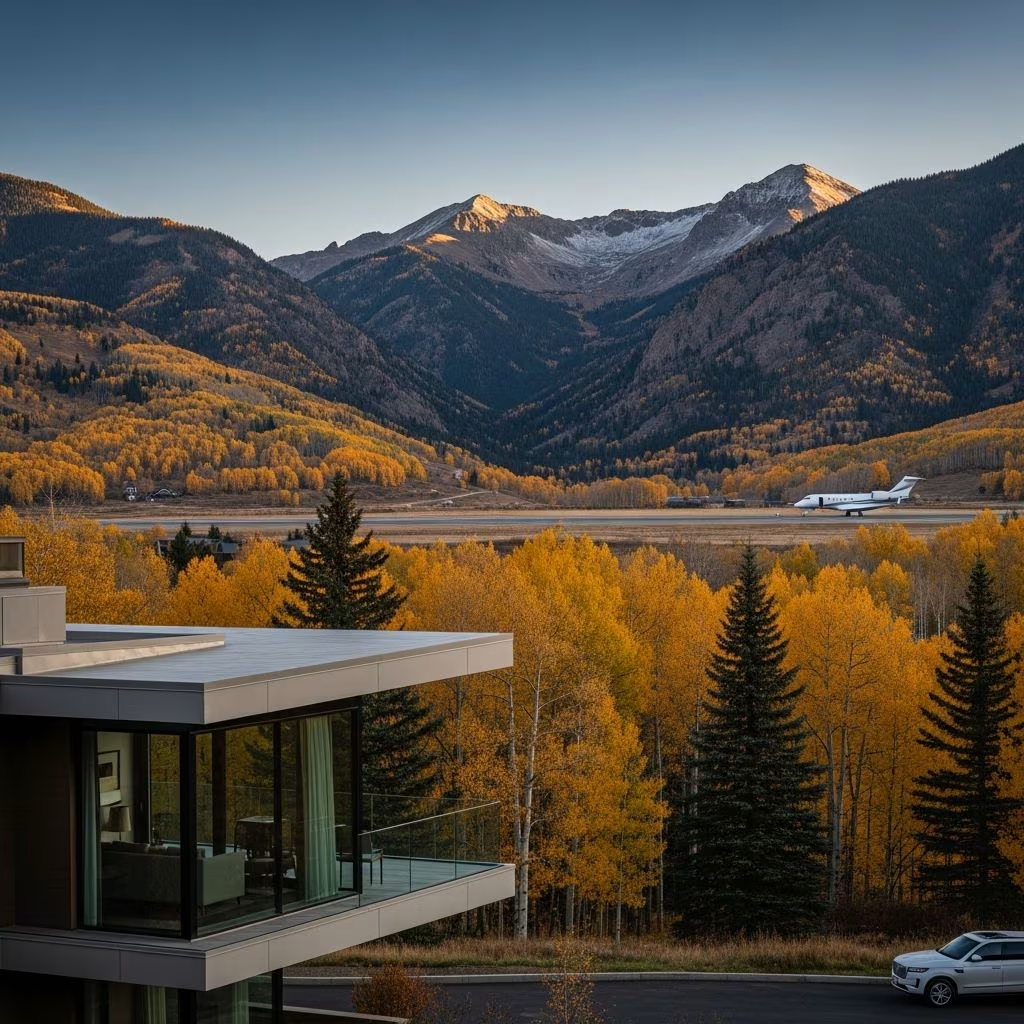
When travelers and tourism analysts examine vacation expenses across the United States, one Colorado mountain community consistently emerges as the most costly place to visit. Aspen has earned this distinction not by accident, but through a combination of factors that reflect its evolution into an exclusive resort destination. The town’s premium pricing structure encompasses everything from airfare to dining, lodging, and recreational activities, creating a comprehensive luxury experience that comes with a correspondingly steep price tag.
Recent comprehensive travel spending analyses reveal the true scope of Aspen’s expense profile. According to data from multiple travel research organizations, a single person spending seven days in Aspen can expect to allocate approximately $5,329.72 for the entire trip, translating to roughly $761.39 per day. When examining a three-night weekend getaway for two adults, the total climbs to around $2,708, with airfare comprising the largest single expense.
Breaking down these figures provides insight into where the money actually goes. For daily meals, visitors should budget for an average of $100.50 per person, reflecting the town’s concentration of upscale dining establishments. Accommodation costs average $494.56 per night for quality lodging, placing Aspen significantly above national averages for mid-range and luxury hotel options.
One of the most striking elements in Aspen’s expensive travel profile is the cost of air transportation. Flights into Aspen-Pitkin County Airport (ASE) average $1,341 per couple, nearly double the cost of flying into many competing destinations. This premium reflects both the airport’s limited capacity and the seasonal demand patterns that characterize mountain resort travel. By comparison, flying into nearby Denver International Airport costs approximately $745, though this requires an additional 3.5-hour drive to reach Aspen.
The high airfare component demonstrates how geography and infrastructure contribute to overall destination expenses. Limited airport capacity during peak seasons drives up ticket prices, and the exclusivity of direct mountain access commands a premium in the travel market.
The lodging market in Aspen reflects the town’s positioning as a luxury destination. Three-night hotel accommodations average $791 across budget-conscious options, while premium properties command significantly higher rates. The market now features prominent hospitality brands including the Auberge Collection and other top-tier hotel chains, contributing to elevated accommodation standards and corresponding price points.
For families planning extended stays, accommodation costs become the second-largest expense after airfare. A family of four spending a week in Aspen can expect to pay approximately $3,463 for lodging alone, based on standard nightly rates. This positions the town among the most expensive accommodation markets in North America.
Culinary experiences in Aspen represent another significant budget consideration. Gourmet dining establishments characterize the restaurant scene, with fine dining venues regularly featuring entrees exceeding $50-100 per plate. Even casual and mid-range dining establishments maintain prices 40-60 percent above national averages.
For visitors eating three meals daily, typical spending patterns break down as follows:
Alcoholic beverages command particularly high prices, with domestic beer averaging $7.50 per serving in local establishments. This reflects both the premium nature of venues and the town’s positioning as an upscale destination where higher prices are normalized.
Examining Aspen’s costs relative to other expensive American travel destinations provides context for its top ranking. The following table illustrates how Aspen compares to other premium vacation spots:
| Destination | Daily Cost per Person | 7-Day Trip Cost | Primary Draw |
|---|---|---|---|
| Aspen, Colorado | $761.39 | $5,329.72 | Ski resort, luxury |
| Park City, Utah | $656 | $4,592 | Ski resort |
| Montauk, New York | $613.77 | $4,296 | Beach destination |
| Santa Monica, California | $592.05 | $4,144 | Coastal city |
| New York City | $511.34 | $3,579 | Urban center |
This comparison reveals that Aspen’s daily costs exceed the second-place destination (Park City) by over $105 per person daily. The gap widens significantly when examining week-long trips, with Aspen commanding a $737 premium over Park City for a seven-day visit.
Understanding why Aspen maintains such elevated pricing requires examining the underlying factors that support these costs. The town’s limited physical space constrains both residential and commercial development, naturally restricting accommodation supply and driving up prices. Seasonal demand concentration during winter ski season and summer months creates pronounced capacity constraints.
The economic demographics of Aspen’s visitor base contribute significantly to pricing power. The destination attracts affluent travelers, celebrities, and business executives seeking exclusive experiences, creating demand elasticity that supports higher price points. Marketing and brand positioning reinforce Aspen’s luxury status, allowing vendors to command premium pricing.
Infrastructure limitations also play a role. The airport’s restricted capacity prevents unlimited expansion of the visitor base, maintaining exclusivity and supporting higher prices. Similarly, zoning restrictions and environmental protections limit commercial development, constraining the supply of services and accommodations.
To understand how visitors actually allocate their travel budget, examining a typical three-night weekend trip provides practical insight. For two adults, the $2,708 total breaks down approximately as follows:
This distribution reveals airfare’s outsized impact on the overall expense. Nearly half of the total travel budget goes toward air transportation before visitors even arrive in town.
For families of four planning Aspen vacations, costs multiply substantially. A week-long family trip reaches approximately $13,691 in total expenses. This significant investment requires careful financial planning and explains why Aspen functions primarily as a destination for affluent families rather than middle-income households.
Family accommodations typically require either larger hotel suites or vacation rental properties, pushing lodging costs even higher. Multi-generational trips and group travels further elevate expenses as activities, dining, and transportation multiply with group size.
While Aspen maintains year-round expensive status, seasonal variations do occur. Winter months command premium prices during ski season, while summer offers slightly lower but still elevated costs. Fall and spring represent the most affordable seasons, though prices remain substantially above national averages. This seasonal variation reflects demand patterns tied to outdoor recreation opportunities.
Local transportation in Aspen presents interesting contrasts. While the town maintains relatively modest public transit costs at approximately $7 for basic transportation needs, these savings prove marginal compared to overall expenses. Many visitors opt for rental cars, rideshare services, or private transportation, elevating actual transportation costs beyond base transit fees.
The proximity to Denver creates an interesting dynamic where budget-conscious travelers might consider flying into Denver and driving to Aspen, though this 210-mile journey requires considerable time investment and vehicle rental expenses that may ultimately prove uneconomical.
Aspen’s commanding position as America’s most expensive destination reflects deliberate market positioning by tourism boards, hospitality providers, and local government. This positioning attracts luxury travelers while naturally excluding budget-conscious tourists, creating a self-reinforcing cycle of high prices and exclusive clientele.
The consistent ranking as the nation’s priciest destination supports local economic interests while simultaneously limiting visitor volume. This creates a controlled growth model that prioritizes quality tourism over quantity, preserving Aspen’s exclusive character.
Q: Is Aspen more expensive than New York City?
Yes, Aspen’s daily costs of $761.39 significantly exceed New York City’s $511.34 daily average, making Aspen roughly 49% more expensive for comparable travel periods.
Q: What is the cheapest time to visit Aspen?
While Aspen maintains premium pricing year-round, fall and spring seasons typically offer the lowest costs, though prices remain substantially above national averages.
Q: Can visitors reduce Aspen costs by driving instead of flying?
Potentially, by flying into Denver and driving 3.5 hours to Aspen can reduce airfare costs from $1,341 to $745, saving approximately $596 per couple, though vehicle rental and fuel must be considered.
Q: Are there budget accommodation options in Aspen?
Budget options exist with three-night stays averaging $791, though these represent the most economical choices and lack the amenities of premium properties.
Aspen’s status as America’s most expensive vacation destination reflects a complex interplay of geographic factors, infrastructure limitations, market positioning, and affluent visitor demographics. The $761.39 daily per-person cost and $5,329.72 weekly expense for individual travelers represent the highest in the nation, significantly exceeding other premium destinations. Understanding this cost structure allows prospective visitors to make informed decisions about their travel investments and to appreciate the factors supporting Aspen’s exclusive positioning within America’s tourism landscape.
