

 Travel Essentials
 Travel Essentials

Explore Astana's transformation from remote outpost to futuristic capital, featuring iconic landmarks, vibrant culture, and unique experiences that blend tradition with innovation.
 Travel Essentials
Astana, the capital of Kazakhstan, stands as a testament to ambitious urban planning and rapid modernization. Positioned along the Ishim River in the north-central region, this city has evolved from a modest settlement into a showcase of contemporary design and national pride. Its strategic relocation from Almaty in 1997 aimed to balance development across the country’s vast landscape, fostering growth in less populated areas.
Once known by various names including Akmolinsk, Tselinograd, Aqmola, and briefly Nur-Sultan, Astana’s history reflects Kazakhstan’s journey through Soviet influence and post-independence identity. The name Astana, meaning “capital” in Kazakh, was adopted in 1998 following the official capital transfer. From 2019 to 2022, it bore the name Nur-Sultan to honor the first president, Nursultan Nazarbayev, before reverting back. This fluidity underscores the city’s role as a symbol of national reinvention.
Established around 1830 as Akmoly, the site was sparsely developed until visionary planning transformed it. Japanese architect Kisho Kurokawa masterminded the master plan in 1998, envisioning a futuristic hub amid the endless steppes. Today, Astana holds a Guinness World Record for the most name changes among 20th-century capital cities, highlighting its dynamic past.
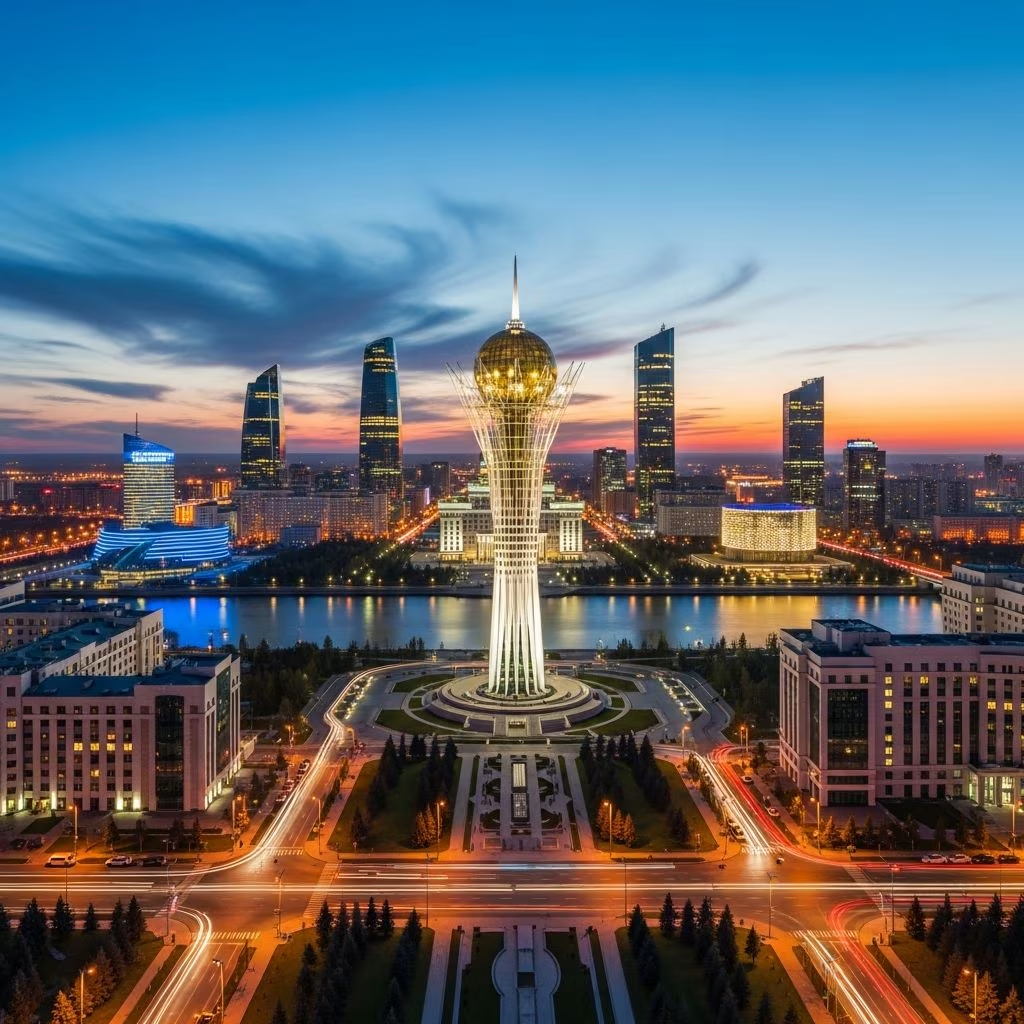
Astana’s skyline is dominated by bold, innovative structures that blend functionality with artistry. The city’s left bank, the newer district, features these landmarks, creating a surreal contrast to the historic right bank.
These edifices, erected rapidly since the late 1990s, project Kazakhstan’s forward-thinking ethos, turning a former prison camp site into a gleaming administrative core.
Nurzhol Boulevard serves as Astana’s vibrant central artery, lined with fountains, green spaces, and monumental buildings. Stretching from the presidential palace to the entertainment tent, it invites leisurely strolls amid modern sculptures and seasonal blooms.
Independence Square, a short walk away, hosts the Kazakh Eli Monument and the Palace of Independence. Opened in 2009, this plaza accommodates grand events and embodies sovereignty. The area’s layout emphasizes openness, contrasting the enclosed feel of traditional Central Asian cities.
Beyond steel and glass, Astana pulses with Kazakh heritage. The right bank preserves wooden mosques and markets evoking nomadic roots, while museums chronicle the steppe peoples’ legacy. Khan Shatyr not only entertains but showcases local crafts alongside global brands.
Seasonal festivals light up the boulevards, blending yurt-inspired art with high-tech displays. This duality makes Astana a cultural crossroads, distinct from Soviet-styled neighbors like Tashkent or Bishkek.
| Activity | Highlights | Location |
|---|---|---|
| Dining | Besbarmak (horse meat noodles), modern fusion cafes | Along Nurzhol Boulevard |
| Shopping | Designer outlets, artisan bazaars | Khan Shatyr, Old Town |
| Day Trips | Steppe excursions, Ishim River cruises | Outskirts |
Culinary scenes range from hearty national dishes to international fare, with boulevard eateries offering riverside ambiance. Shopping spans luxury malls to traditional markets selling felt rugs and jewelry.
The city’s layout favors walking in the core, supplemented by efficient buses and modern metro lines. Trains connect to Almaty in epic journeys across steppes, evoking the 39-hour odyssey many travelers recount. Airports handle international flights, easing access.
Astana’s allure lies in its improbability—a gleaming anomaly in the void, built on ambition. It challenges perceptions of Central Asia, offering sci-fi aesthetics with authentic warmth. For architects, it’s a living case study; for adventurers, uncharted territory.
Engage with locals sharing nomadic tales, or ponder eternity from Bayterek’s heights. Astana isn’t just visited; it’s experienced as Kazakhstan’s bold tomorrow.
Astana has been renamed several times: Akmolinsk (1832), Tselinograd (1961), Aqmola (1992), Astana (1998), Nur-Sultan (2019-2022), and back to Astana. This reflects political shifts post-independence.
Yes, as the capital, it maintains high security with low crime rates in tourist zones. Standard precautions apply.
Use the pedestrian-friendly boulevards, buses, or taxis via apps. The metro expansion aids longer trips.
Designed from scratch by global architects like Kurokawa and Foster, it features tent-like megastructures and symbolic towers amid flat steppes.
Summers are mild; winters extreme but festive with lights. Indoor attractions like Khan Shatyr defy weather.
This itinerary maximizes highlights while allowing spontaneity.
