


 Food & Culture
Food & Culture
Astro-Tourism Trends: Market Growth, Top Destinations & Future Outlook
Astro-tourism is surging, with the market projected to grow from $1.7B in 2024 to $6.2B by 2033. Explore top destinations, trends, and benefits.
 Food & Culture
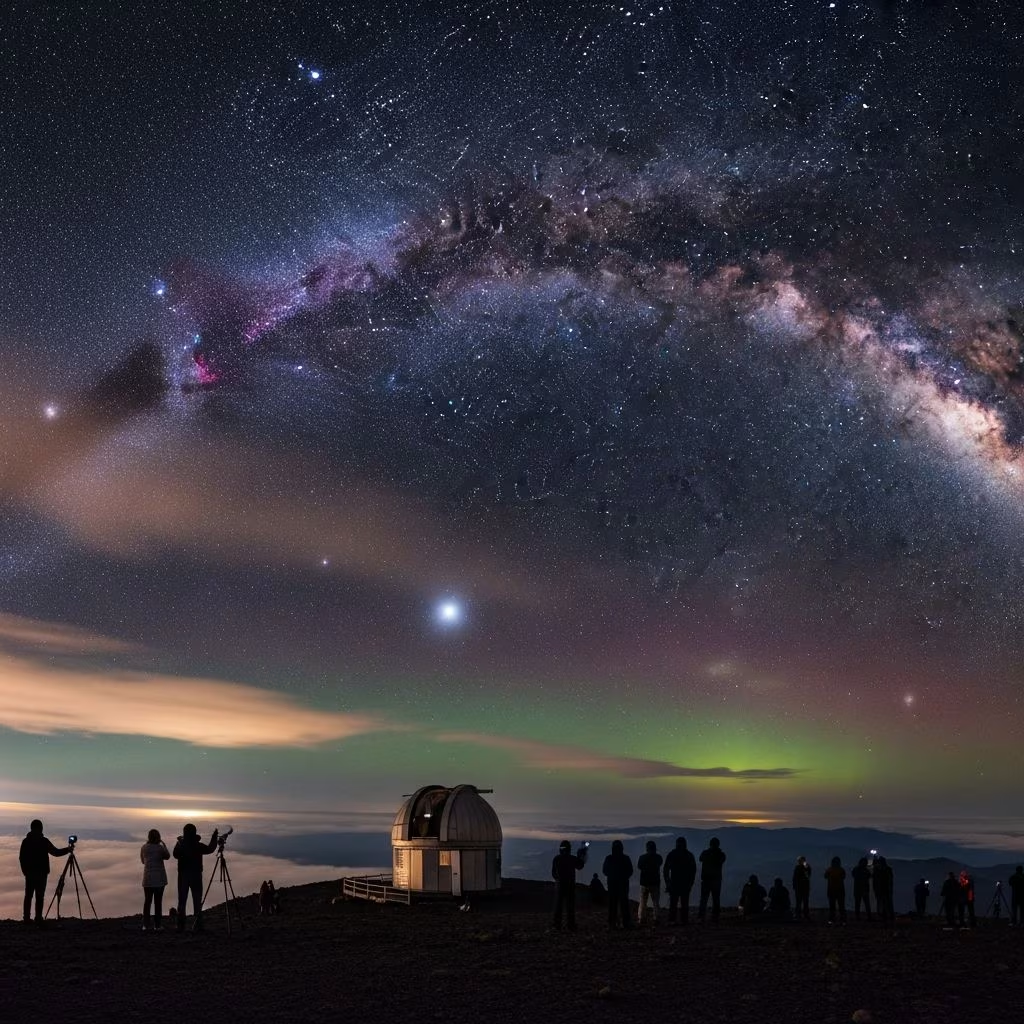
The quest to witness the universe’s splendor has ignited a global travel phenomenon known as astro-tourism. This emerging sector combines scientific curiosity with immersive outdoor experiences, drawing adventurers to remote locations where the night sky shines un obstructed. As urban light pollution dims stars for billions, demand for pristine celestial views is skyrocketing, reshaping tourism landscapes.
Market Momentum: Explosive Growth Projections
Astro-tourism’s market value stood at $1.7 billion in 2024 and is forecasted to reach $6.2 billion by 2033, reflecting a compound annual growth rate (CAGR) of 15.2%. This surge stems from heightened public interest in astronomy, technological advancements like high-powered telescopes, and the expansion of dark-sky certified reserves. North America currently dominates with a 38% revenue share, bolstered by robust infrastructure and iconic sites, while Asia Pacific is poised for the fastest expansion at 18.7% CAGR, fueled by rising incomes and science-focused investments.
Group tours lead popularity, accounting for a significant portion of bookings, yet luxury and personalized options are gaining traction among affluent seekers of exclusivity. Educational packages, blending stargazing with astronomy lessons, appeal to families and students, while specialized eclipse-chasing expeditions command premium prices.
| Region | Market Share (2024) | Projected CAGR |
|---|---|---|
| North America | 38% | 15.2% |
| Asia Pacific | Emerging | 18.7% |
| Global | 100% | 15.2% |
Defining Astro-Tourism: Beyond Basic Stargazing
Astro-tourism encompasses travel centered on celestial phenomena, including stargazing, meteor showers, solar eclipses, observatory tours, and aurora viewing. Often interchangeable with terms like dark-sky tourism or celestial tourism, it emphasizes destinations with minimal light pollution for optimal visibility. Participants engage in guided night-sky observations, astrophotography workshops, and visits to professional observatories, merging recreation with education.
This niche thrives on the synergy of astronomy and tourism, particularly in rural areas rich in natural darkness and cultural heritage. Initiatives aim to empower local communities by channeling visitor spending into sustainable development, preserving starry heritage while stimulating economies.
Prime Destinations: Where the Stars Align
Seekers flock to certified dark-sky parks, reserves, and observatories worldwide. In North America, remote western U.S. regions promise billions in revenue from astro-visitors alone.
- Canary Islands and Southern Spain: Europe’s darkest skies host scientists and tourists, blending astronomy with environmental conservation.
- NamibRand Nature Reserve, Namibia: One of the world’s premier stargazing spots, offering luxury lodges under Southern Hemisphere constellations.
- Sutherland, South Africa: Home to the South African Astronomical Observatory, ideal for clear, dry-season views.
- Okavango Delta and Makgadikgadi Pans, Botswana: Vast, unlit expanses perfect for immersive wildlife-and-stars combos.
- Mount Kilimanjaro Region, Tanzania: High-altitude clarity enhances Southern Cross and Milky Way spectacles.
The Southern Hemisphere excels due to expansive, low-population areas free from northern light interference, with June-to-August dry seasons providing peak conditions.
Northern Lights and Beyond: Aurora Fever Grips Travelers
Aurora borealis hunts dominate cold-season itineraries, with operators like John Hall’s Alaska introducing photography-focused trips. These packages teach shutter speeds and compositions to capture dancing greens and purples, appealing to amateur photographers worldwide.
Luxury and Accessibility: Tailored Celestial Escapes
High-end astro-tourism pairs private charters with exclusive sites, enabling flexible schedules and remote access. Wellness retreats incorporate stargazing meditations in wilderness settings, positioning it as a restorative trend. Budget options include group camps in public dark-sky parks, democratizing access.
Socioeconomic Sparks: Rural Revitalization Through Stars
Astro-tourism catalyzes growth in underserved areas by leveraging natural assets like dark skies. Flagship projects promote inclusive models, training locals as guides and investing in eco-lodges to retain economic benefits. A single U.S. dark-sky zone could generate nearly $6 billion in the 2020s, underscoring potential.
- Job creation in guiding, hospitality, and conservation.
- Promotion of cultural storytelling tied to constellations.
- Sustainable practices to combat light pollution.
Challenges Amid the Cosmic Rush
Rapid growth risks overcrowding pristine sites and exacerbating light pollution if unchecked. Balancing tourism with preservation demands strict regulations, such as dark-sky certifications and visitor caps. Climate change alters weather patterns, impacting viewing reliability, while global events like pandemics highlight the need for resilient infrastructure.
Technology’s Role: Enhancing the Experience
Apps for star identification, portable telescopes, and drone astrophotography lower barriers. Observatories offer virtual tours, expanding reach. Future integrations like AR overlays could revolutionize on-site learning.
Getting Started: Planning Your Astro-Adventure
Research International Dark-Sky Association sites. Pack red flashlights, wide-angle lenses, and layered clothing. Book during new moons for maximal darkness. Consider guided tours for expertise.
Frequently Asked Questions (FAQs)
What is astro-tourism?
Astro-tourism involves traveling to observe celestial events in low-light-pollution areas, including stargazing and eclipse viewing.
Which region grows fastest?
Asia Pacific, at 18.7% CAGR, due to infrastructure investments.
Best time for Southern Hemisphere stargazing?
Dry season, June to August, for clear skies.
Is it family-friendly?
Yes, educational tours suit all ages.
How does it benefit locals?
Generates jobs and sustainable income in rural areas.
Future Horizons: 2026 and Beyond
With projections to 2033 and spots like those in Outside Magazine’s 2026 list, astro-tourism solidifies as a mainstay. Innovations in space travel may spawn orbital viewing, but earthly dark skies remain irreplaceable. Travelers, unite under the stars—your next trip awaits in the cosmos.
References
- Astro Tourism Market Research Report 2034 — MarketIntelo. 2025. https://marketintelo.com/report/astro-tourism-market
- From Telescopes to Travelers: The Rise of Astro-Tourism — YouTube. N/A. https://www.youtube.com/watch?v=vx-IdeKAwN0
- The Rise of Astro-Tourism in the Southern Hemisphere — Chapman Freeborn. N/A. https://chapmanfreeborn.aero/news-and-blog/the-rise-of-astro-tourism-in-the-southern-hemisphere-private-charters-to-the-best-stargazing-locations/
- Travelers are over the moon for astrotourism — Travel Weekly. 2025-02-18. https://www.travelweekly.com/Travel-News/Tour-Operators/Astrotourism-demand-is-looking-up
- Flagship Project 1: Astrotourism — Astro4Dev. N/A. https://astro4dev.org/themes/theme-1-sustainable-local-socio-economic-development-through-astronomy/astrotourism/
- The Starry Rise of Astrotourism — Global Wellness Summit. N/A. https://www.globalwellnesssummit.com/blog/the-starry-rise-of-astrotourism/
- The Meteoric Rise of Astrotourism — Outside Magazine. N/A. https://www.outsideonline.com/adventure-travel/advice/astrotourism-2026/
On This Page
Market Momentum: Explosive Growth Projections Defining Astro-Tourism: Beyond Basic Stargazing Prime Destinations: Where the Stars Align Northern Lights and Beyond: Aurora Fever Grips Travelers Luxury and Accessibility: Tailored Celestial Escapes Socioeconomic Sparks: Rural Revitalization Through Stars Challenges Amid the Cosmic Rush Technology's Role: Enhancing the Experience Getting Started: Planning Your Astro-Adventure Frequently Asked Questions (FAQs) Future Horizons: 2026 and Beyond← Previous
How Wild Grapes Can Help Wine Regions Adapt to Climate Change
Next →
Seoul Subway Gets Faster Wi-Fi With 5G mmWave
Related Reading
More in Food & Culture
Food & Culture Food & Culture
 Food & Culture
Best Places to Eat in Rome: Neighborhood Dining Guide
 Food & Culture
 Food & Culture