

 Travel Essentials
 Travel Essentials

Comprehensive guide to exploring Athens' iconic landmarks, vibrant neighborhoods, dining scene, and practical travel essentials for an unforgettable Greek capital experience.
 Travel Essentials
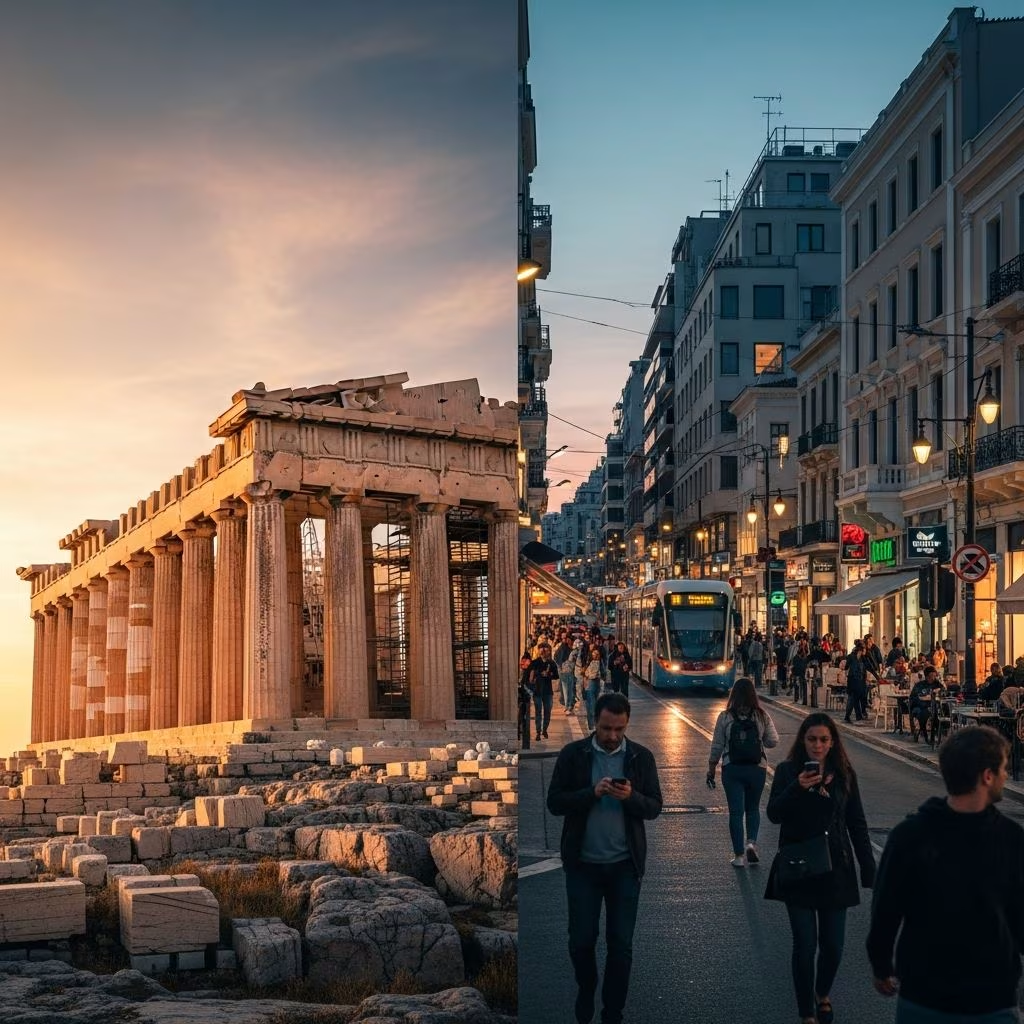
Athens stands as one of Europe’s most captivating destinations, seamlessly weaving together layers of ancient civilization with the energy of a thriving modern metropolis. The Greek capital presents visitors with an intoxicating blend of archaeological treasures, bustling street markets, world-class dining experiences, and welcoming neighborhoods that invite exploration. Whether you’re a history enthusiast, cultural traveler, or someone seeking authentic Mediterranean experiences, Athens delivers at every turn.
Most visitors find that two to three full days provides an adequate foundation for experiencing Athens’ principal attractions. This timeframe allows you to explore the historic center without feeling rushed, though many travelers extend their stay to venture into surrounding areas or simply soak in the atmosphere of the neighborhoods.
The optimal seasons for visiting Athens are April through May and September through October, when temperatures remain pleasant and crowds are more manageable than during the peak summer months. Summer heat intensifies significantly, making midday exploration challenging, while winter months bring occasional rain but fewer tourists.
Selecting the right neighborhood shapes your entire Athens experience. Several central districts offer optimal positioning for accessing historical sites and contemporary attractions:
Hotel options range from luxury establishments to charming mid-range properties, with typical pricing for quality accommodations ranging from €600 to €1,060 for two nights in central areas. Walking remains the preferred exploration method throughout these districts, as most distances between attractions are manageable on foot.
No Athens experience is complete without engaging with the Acropolis, the ancient rocky outcrop that has dominated the city’s skyline for three millennia. This sacred plateau represents the physical and spiritual center of ancient Athenian civilization, crowned by monuments that have influenced Western architecture and philosophy for centuries.
The Parthenon, arguably humanity’s most recognized architectural structure, anchors this complex. Constructed during the Golden Age of Pericles in the mid-5th century BCE, this temple dedicated to Athena showcases the pinnacle of Classical Greek design. The building’s subtle mathematical proportions and sculptural program continue to astound architects and historians.
Flanking the Parthenon are equally significant structures: the Erechtheion, an asymmetrical temple featuring the iconic Porch of the Caryatids; the Temple of Athena Nike, a small but exquisitely proportioned sanctuary; and the Propylaia, the monumental gateway structure. Visiting at opening time or during late afternoon golden hours minimizes crowds while providing optimal lighting for photography and contemplation.
Athens hosts several extraordinary museums that serve as repositories for humanity’s artistic and cultural heritage:
Built directly atop an ancient Athenian neighborhood, this modern facility represents one of the world’s finest archaeological museums. The design ingeniously integrates contemporary architecture with the ruins visible through transparent flooring. The Parthenon Gallery occupies the museum’s top level, displaying original sculptures against floor-to-ceiling windows that frame views of the Acropolis itself—a breathtaking juxtaposition of ancient and modern.
This institution houses the world’s greatest collection of ancient Greek art and artifacts. The museum’s treasures include the golden death mask of Agamemnon, the mysterious Antikythera Mechanism (an ancient analog computer), and the magnificent bronze statue of Poseidon. Even a single museum visit could justify a journey to Athens, so comprehensive and extraordinary is this collection.
Often overlooked by tourists fixated on classical antiquity, this museum presents a stunning assemblage of Byzantine icons, mosaics, and sacred art. The collection reminds visitors that Athens’ magnificence extended well beyond the classical period, flourishing throughout the Byzantine era.
The Ancient Agora functioned as the marketplace and political heart of classical Athens. This archaeological zone contains the Temple of Hephaestus, the best-preserved ancient temple in Greece, providing remarkable insights into daily life and commerce in antiquity. Exploring the Agora complements a visit to the nearby Monastiraki Flea Market, where the spirit of marketplace commerce continues in modern form.
Athens extends far beyond ancient sites into vibrant contemporary cultural spaces:
This former gasworks complex has been transformed into a dynamic cultural hub. The sprawling venue hosts concerts, art exhibitions, theater productions, and trendy bars, serving as the epicenter of Athens’ modern artistic scene and nightlife culture.
This architectural landmark combines the Greek National Opera and National Library of Greece within a stunning modern structure surrounded by lush gardens and reflective pools. The venue represents the contemporary face of Greek culture, hosting world-class performances and exhibitions.
This 2nd-century Roman theater nestled beneath the Acropolis remains remarkably well-preserved. During summer months, the venue hosts world-class performances under the stars, creating magical evenings that blend ancient venue with contemporary entertainment.
Urban exploration requires occasional respite. The National Garden provides a lush, shaded sanctuary in the city’s heart—a perfect refuge from midday heat where visitors can sit beneath ancient trees and experience the city’s slower rhythms.
For a unique swimming experience, Vouliagmeni Lake, located south of the city, offers an enchanting thermal swimming destination. This natural wonder sits within a rocky limestone gorge where warm spring water blends with cool Aegean seawater, creating a uniquely warm and beautiful aquatic environment—truly one of Athens’ best-kept secrets.
The Panathenaic Stadium, also known as Kallimarmaro, holds distinction as the world’s only stadium constructed entirely from white marble. This venue hosted the first modern Olympic Games in 1896, and walking onto its historic track allows visitors to feel the weight of sporting history beneath their feet.
The historic center—spanning from the Acropolis through Monastiraki, Plaka, Psyrri, and Syntagma—rewards exploration entirely on foot. Distances between attractions remain manageable, and the true joy of Athens reveals itself through unexpected discoveries: Byzantine churches glimpsed through gates, courtyards overflowing with lemon trees, street musicians playing in shaded alcoves.
Guided night bike tours offer immersive ways to discover the city’s landmarks under starlit skies. These tours typically cover the Acropolis, Plaka, and Syntagma Square while providing historical context and local perspectives impossible to gain from solitary exploration.
Athenian dining reflects the city’s character—rooted in tradition yet constantly evolving. Neighborhood tavernas serve time-honored Greek specialties: fresh seafood, grilled lamb, creamy saganaki cheese, and vine leaves stuffed with rice and herbs. Plaka’s traditional establishments offer atmospheric evening dining, often accompanied by live bouzouki music and views across rooftops toward the illuminated Acropolis.
Contemporary chefs are simultaneously honoring Greek culinary traditions and reimagining them through modern techniques. Rooftop restaurants throughout the city offer dining experiences that combine excellent food with panoramic views of Athens’ monuments.
The Monastiraki Flea Market remains Athens’ most iconic shopping destination, offering vintage goods, antiques, souvenirs, and endless browsing opportunities. Beyond markets, Plaka’s labyrinthine streets contain artisan shops, jewelry boutiques, and traditional craft stores. Evening strolls through Plaka reveal cobblestone streets twinkling with lights, where history and modern life dance together harmoniously, with jasmine-scented air and street musicians adding to the enchanting atmosphere.
| Information Category | Details |
|---|---|
| Recommended Duration | 2-3 full days minimum for major attractions |
| Best Seasons | April-May and September-October for optimal weather and crowds |
| Accommodation Range | €600-€1,060 for two-night stays in central areas |
| Primary Transport | Walking through historic center; metro for longer distances |
| Peak Hours to Avoid | Midday (11am-3pm) for archaeological sites and outdoor exploration |
Most travelers find that 2-3 full days adequately covers primary attractions. However, additional days allow for neighborhood exploration, museum revisits, and relaxation.
While not mandatory, guided tours provide historical context and insider knowledge that enhance the experience significantly. Guides can navigate crowds more effectively and share stories unavailable in guidebooks.
Opening time or late afternoon offers the best combination of manageable crowds and optimal lighting conditions.
Yes. Free walking tours, affordable neighborhood tavernas, and many museums offering discounted entry hours make Athens accessible to budget-conscious travelers.
Central neighborhoods like Plaka, Syntagma, and Koukaki are generally safe and tourist-friendly. Standard urban precautions apply regarding valuables and late-night navigation.
An ideal 3-4 day itinerary might follow this structure: dedicate day one to the Acropolis, Parthenon, and the Acropolis Museum, concluding with an evening in Plaka. Day two combines exploration of Monastiraki and its flea markets with rooftop dining featuring Acropolis views. Day three ventures into local neighborhoods, discovering hidden galleries, contemporary restaurants, and lesser-known cultural sites. Optional day four might include visits to the Panathenaic Stadium, National Garden, or day excursions to nearby islands or archaeological sites.
Athens rewards both structured itineraries and spontaneous wandering. The city’s greatest treasures often emerge through unexpected turns in narrow streets, chance conversations with locals, and moments of unplanned discovery. Whether you’re tracing the footsteps of ancient philosophers, marveling at architectural masterpieces, savoring Mediterranean cuisine, or simply sitting in a neighborhood café watching city life unfold, Athens offers experiences that resonate long after departure.
