

 Travel Essentials
 Travel Essentials

Discover Atlanta's unwritten social codes, transportation guidelines, and cultural expectations that transform your visit from tourist to insider.
 Travel Essentials
Atlanta, Georgia’s vibrant capital, presents a unique blend of Southern tradition, modern urban culture, and regional pride that can catch visitors off guard if they’re unfamiliar with the city’s unspoken social conventions. Beyond the typical tourist attractions and guidebook recommendations lies a deeper set of expectations that locals have developed over generations of living in this dynamic metropolis. Understanding these informal guidelines transforms a generic vacation into an authentic experience where you’ll navigate the city with confidence and earn the respect of longtime residents.
The distinction between being a tourist and being accepted as someone who genuinely understands Atlanta often comes down to awareness of these subtle but meaningful cultural norms. From transportation choices to dining decisions, from neighborhood navigation to linguistic preferences, these unwritten rules reflect the city’s values and help visitors integrate more seamlessly into the local fabric.
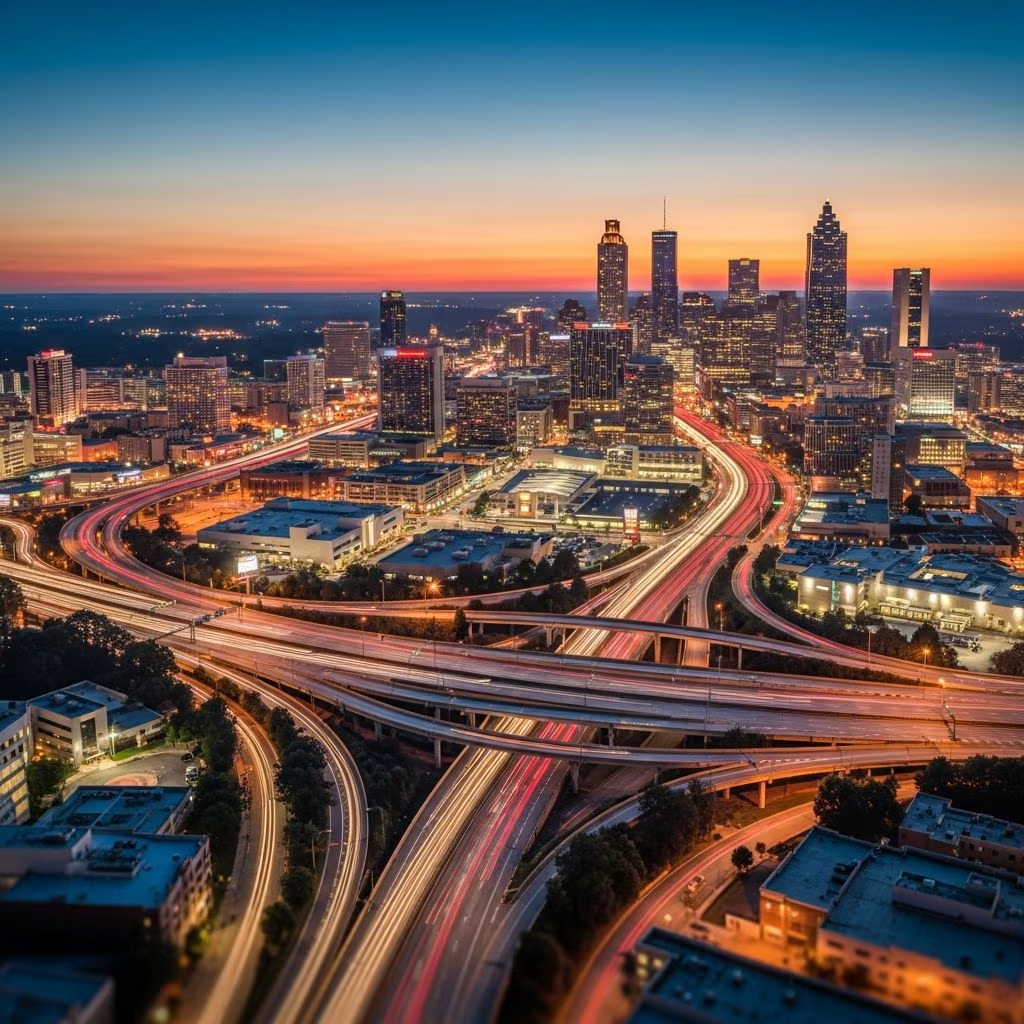
One of the most critical misunderstandings visitors make involves their approach to getting around Atlanta. The city’s sprawling geography and complex highway system create a transportation paradox that requires a shift in mindset from how you might navigate other American cities.
Understanding Distance Differently
Locals don’t measure Atlanta’s distances in miles—they measure them in time. When an Atlantan tells you something is “ten minutes away,” they’re communicating travel duration, not literal distance. This temporal measurement system reflects the city’s notorious traffic patterns and the reality that traditional distance calculations become meaningless in a place where highway congestion can transform a five-mile commute into a forty-five-minute ordeal.
The Highway Avoidance Strategy
Savvy Atlanta travelers develop alternative routes that bypass major highways entirely. This isn’t merely a preference—it’s a survival strategy. The city’s highway system experiences consistent bottlenecks, and locals have cultivated extensive knowledge of backroad networks that provide faster, less stressful alternatives. When planning your movements through the city, ask locals specifically about surface streets and alternative paths rather than relying on GPS systems that default to interstate routes.
Driving Behavior Expectations
If you choose to drive in Atlanta, you’re entering a realm with its own unwritten conduct code. Aggressive driving is commonplace, and defensive driving takes on new meaning here. Several critical rules govern acceptable driving behavior: never honk at another driver unless you’re prepared for potential confrontation; never attempt to cross multiple lanes of traffic to catch an exit you nearly missed; and always use your turn signal, despite it being violated constantly by other drivers.
Traffic lights operate under an unofficial three-count delay system. When a light turns green, locals pause for approximately three seconds before proceeding, acknowledging the likelihood that drivers from perpendicular directions haven’t yet noticed their red signal. This informal safety protocol has become ingrained in the driving culture.
MARTA Transportation Reality
Atlanta’s public transit system, MARTA (Metropolitan Atlanta Rapid Transit Authority), has limitations that visitors should understand. While functional for specific routes, particularly downtown and airport connections, MARTA shouldn’t be your primary transportation strategy for comprehensive city exploration. The system doesn’t provide the convenient coverage that public transit offers in other major metropolitan areas.
A fundamental mistake visitors make involves concentrating their entire visit in downtown Atlanta. While downtown contains legitimate attractions—the Georgia Aquarium, World of Coca-Cola, Centennial Olympic Park, and the National Center for Civil and Human Rights— limiting yourself to this district means missing what makes Atlanta distinct.
Strategic Neighborhood Exploration
The city extends far beyond its downtown center, with distinct neighborhoods offering completely different experiences. Midtown provides cultural institutions and contemporary urban energy, while outer neighborhoods contain historical significance, local dining establishments, and authentic community experiences that downtown cannot replicate. The principle locals follow: venture beyond the tourist corridor while maintaining awareness of neighborhood characteristics and safety considerations.
The Peachtree Phenomenon
Atlanta contains multiple streets sharing the name “Peachtree,” and this geographical redundancy confuses countless visitors annually. Peachtree is simultaneously a district designation and the name of numerous individual streets throughout the city. Asking for directions to simply “Peachtree” reveals your outsider status immediately. Always obtain specific street addresses or identifying cross streets when navigating to any Peachtree location.
Waffle House Protocol
Waffle House represents more than a casual dining establishment in Atlanta—it’s a cultural institution with unspoken operational norms. The primary rule: know your order before approaching the counter. This seemingly simple guideline reflects respect for the establishment’s fast-paced service model and other customers waiting to order. Waffle House functions as a 24-hour community hub where efficiency and decisiveness are valued.
Chick-fil-A Temporal Awareness
The ubiquitous chicken sandwich chain maintains one crucial distinction from competitor fast-food establishments: Chick-fil-A locations close on Sundays. This religious observance, rooted in founder Truett Cathy’s Baptist beliefs, has become integrated into Atlanta culture such that locals factor Sunday closures into their weekly meal planning.
The Coca-Cola Dominance
Atlanta is Coca-Cola country—the soft drink’s global headquarters resides here, and this corporate presence permeates local identity. The unspoken rule: never order Pepsi when visiting. While this might seem trivial, locals view Pepsi orders as a slight against Atlanta’s most significant corporate citizen. The World of Coca-Cola exists as both tourist attraction and testament to this local pride.
Southern Cuisine Authenticity
When seeking traditional Southern food, recognize that the dining experience differs fundamentally from other regions’ interpretations of “Southern cuisine.” Authentic local establishments prepare portions designed to satisfy completely, often leaving visitors astonished by quantity and richness.
Spring Allergy Awareness
Atlanta’s spring season brings extraordinary natural beauty alongside a significant challenge: pollen accumulation. The city experiences intense seasonal allergies, particularly from March through May. Visitors with allergy histories should bring medication, as the pollen density can be genuinely debilitating for susceptible individuals. Locals commonly joke about the “pollen invasion” that turns vehicles yellow and coats outdoor surfaces with a visible greenish film.
Winter Storm Response
While Atlanta’s winters are generally mild compared to northern regions, occasional ice and snow create disproportionate disruption. The city lacks the infrastructure—salt trucks, snow removal equipment, road treatment systems—that northern cities maintain. When winter weather warnings issue, locals take them seriously despite northern visitors often dismissing such warnings as overreactions. A modest amount of snow or ice can functionally shut down the city, making these warnings legitimate travel planning considerations.
The “Hotlanta” Prohibition
The nickname “Hotlanta,” once used to market the city in the 1980s and 1990s, has become actively despised by locals. Using this term around Atlantans signals complete outsider status and can elicit genuine irritation. The nickname’s dated quality and oversimplification of the city’s identity make it unwelcome in contemporary discourse. Simply refer to the city as “Atlanta.”
Pronunciation Precision
The city’s name carries a specific pronunciation that locals recognize immediately: “Alanta” (with emphasis on the second syllable and a soft ‘a’). While this might seem pedantic, paying attention to local pronunciation demonstrates respect and awareness.
OutKast Reverence
Hip-hop artists OutKast represent Atlanta’s global cultural contribution, and the group holds protected status in local consciousness. Making negative comments about OutKast’s music is universally unwelcome and considered disrespectful to Atlanta’s cultural legacy. The group’s significance to the city transcends typical musical appreciation—they represent Atlanta’s influence on global popular culture.
Neighborhood Institution Knowledge
Certain local establishments carry cultural weight beyond their functional purposes. “Murder Kroger” and “Disco Kroger” exist as legendary neighborhood institutions with storied histories, and locals reference these locations with in-group familiarity. Similarly, the Clermont Lounge represents a quintessential Atlanta experience that locals recommend to visiting friends.
Vehicle Security Oversight
A critical mistake visitors make involves leaving valuables visible in parked vehicles. This practice attracts theft and represents poor judgment in an urban environment. Always secure valuables or take them with you when leaving your vehicle unattended.
Timing Your Flight Departures
For visitors flying out of Atlanta’s Hartsfield-Jackson International Airport, an unwritten rule suggests scheduling departures for Wednesday evenings after 6:00 PM. This timing avoids peak travel congestion and streamlines airport procedures, reflecting locals’ hard-earned knowledge about transportation flow patterns.
Despite Atlanta’s urban scale and modern infrastructure, Southern hospitality remains embedded in local culture. Residents are generally helpful, enthusiastic about sharing recommendations, and genuinely interested in visitors’ experiences. Engaging with locals—asking for suggestions, showing interest in their perspectives, and respecting their guidance—transforms your visit significantly and often results in authentic recommendations you wouldn’t find through conventional tourist resources.
Understanding and respecting Atlanta’s unwritten rules isn’t about rigid conformity; it’s about demonstrating awareness of and appreciation for local culture. These guidelines reflect how residents have collectively solved transportation challenges, preserved cultural identity, and maintained community standards. By navigating the city with this knowledge, you move beyond typical tourist status and experience Atlanta as locals do—with competence, respect, and genuine connection to a distinctive American city.
