

 Travel Essentials
 Travel Essentials

Augusta combines world-class attractions, outdoor recreation, cultural landmarks, and Southern hospitality. Discover why this historic Georgia city deserves your next visit.
 Travel Essentials
Augusta, Georgia stands as the state’s second-largest city and offers visitors a compelling blend of historical significance, outdoor recreation, and authentic Southern culture. Established in 1736 along the Savannah River by General James Oglethorpe, this charming destination has evolved from a trading post into a vibrant metropolitan area that welcomes travelers year-round. The city’s reputation extends globally through its association with prestigious sporting events, cultural institutions, and natural attractions that make it an underrated gem on the Southeast travel circuit.
Augusta earned worldwide recognition as the home of the Masters Tournament, one of golf’s most prestigious championships held annually at Augusta National Golf Club. While access to the Masters remains exclusive and highly coveted, the city offers numerous opportunities for golf enthusiasts and casual players alike. The Forrest Hills Golf Club welcomes the public year-round with an 18-hole championship course that provides an accessible alternative for visitors seeking to experience Augusta’s golfing culture.
The Masters Tournament transforms Augusta during spring, attracting international visitors who flock to experience azalea season when the city’s streets bloom with vibrant colors and festive atmosphere. Even outside tournament weeks, golf remains central to the city’s identity, and visitors can explore the city’s golfing heritage through various venues and experiences.
The Augusta Canal stands as a testament to the city’s industrial heritage, constructed in 1845 to power mills and factories that transformed Augusta into a Georgian powerhouse. Today, the canal operates as a premier tourist attraction spanning 14 miles of scenic waterways with opportunities for exploration and discovery. The Augusta Canal National Heritage Area offers multiple ways to experience this historic waterway:
The Discovery Center, housed within the historic Enterprise Mill, functions as a state-of-the-art museum documenting the Savannah River’s historical development and the canal’s role in shaping Augusta’s growth. Special events including live music performances occur regularly, adding cultural enrichment to visitor experiences along the waterway.
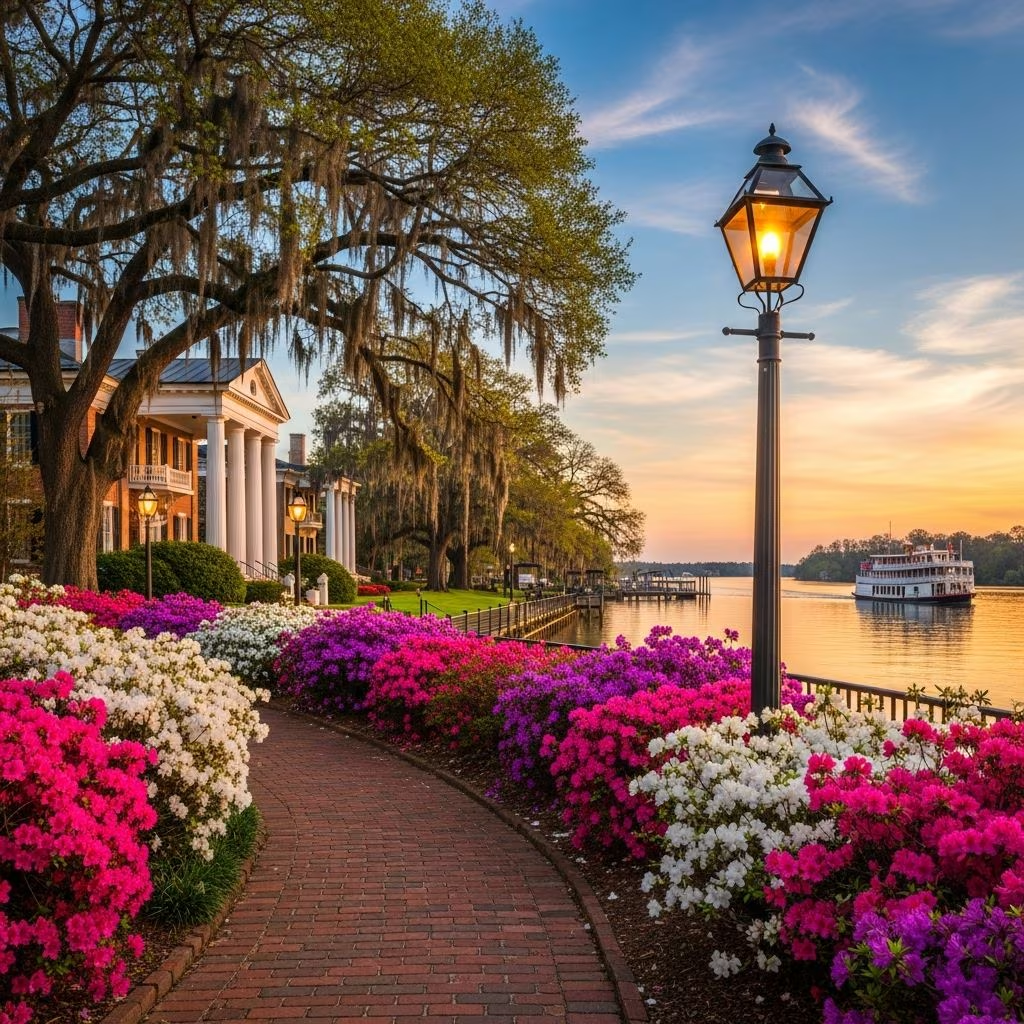
The Augusta Riverwalk extends along the Savannah River between 11th Street and the Gordon Bridge, creating a multilevel walkway that combines relaxation with cultural engagement. This scenic stretch features museums, parks, manicured gardens, playgrounds, fountains, and an amphitheater hosting performances and community events. Morning visitors frequently enjoy fresh coffee while taking in river views and engaging with the friendly atmosphere that characterizes downtown Augusta.
Augusta’s commitment to arts and culture distinguishes it as a destination for creative exploration and aesthetic appreciation. The Morris Museum of Art houses an impressive collection exceeding 5,000 artworks, including paintings, drawings, and sculpture spanning from the late 18th century to contemporary pieces. The museum emphasizes works from Georgia and the broader Southern region, celebrating regional artistic traditions and contemporary creativity. Notably, the museum offers free admission on Sundays, providing accessibility for all visitors regardless of budget constraints.
Additional cultural venues enhance Augusta’s artistic landscape. The historic Imperial Theatre, Miller Theater, and Le Chat Noir host live performances ranging from theatrical productions to musical concerts, enriching the cultural calendar throughout the year. These venues reflect Augusta’s vibrant performing arts scene and commitment to supporting local and visiting artists.
Augusta & Co. presents an innovative approach to cultural engagement by combining rotating art galleries, a tasting bar featuring local flavors, and curated merchandise while providing information about regional attractions. This hybrid space exemplifies how the city weaves artistic expression into everyday visitor experiences.
Augusta’s three-century history manifests through numerous landmarks and museums dedicated to preserving and interpreting the city’s multifaceted past. The Augusta Museum of History offers comprehensive exhibitions exploring the region’s development from colonial settlement through modern era. The Lucy Craft Laney Museum of Black History honors the pioneering educator who established the area’s first school for Black children, celebrating African American contributions to Augusta’s cultural and educational heritage.
History enthusiasts should visit the Boyhood Home of President Woodrow Wilson, connecting Augusta to United States presidential history and offering insights into early 20th-century life. The Heroes Overlook Memorial pays respects to those who served and sacrificed, adding solemnity and remembrance to the Riverwalk experience.
Saint Paul’s Church, established in 1750, stands as an architectural and spiritual landmark representing centuries of community faith and continuity. Fort Discovery functions as a hybrid playground and science museum, combining recreational enjoyment with educational engagement for visitors of all ages.
Beyond urban attractions, Augusta provides access to pristine natural environments showcasing Georgia’s ecological diversity. Phinizy Swamp Nature Park features wooden boardwalks winding through 14 miles of exquisite scenery where visitors observe abundant wildlife including alligators, bobcats, and otters in their natural habitats. This unique ecosystem offers nature enthusiasts opportunities to photograph wildlife, study botanical specimens, and experience swamp environments without requiring extensive hiking or equipment.
The Savannah River creates recreational opportunities for water enthusiasts. Visitors can rent boats for independent exploration, join guided tours led by knowledgeable naturalists, or enjoy activities from dry land viewing areas along the Riverwalk. These varied options accommodate different fitness levels, preferences, and interests while maintaining access to aquatic environments.
Augusta’s restaurant scene reflects authentic Southern cuisine infused with contemporary innovation and locally sourced ingredients. Numerous locally owned establishments serve as gathering places where visitors experience genuine regional flavors and warm hospitality. The Augusta Market at the River, operating Saturdays from spring through fall, offers fresh local produce, handmade crafts, and savory eats prepared by area vendors and artisans.
The city’s culinary identity extends beyond individual restaurants to encompass community food culture where meals represent social connection and regional tradition. Visitors seeking authentic Augusta experiences should prioritize dining at establishments emphasizing local sourcing and family ownership rather than chain restaurants.
Summerville, Augusta’s historic residential district, showcases grand homes lining streets with Southern charm and architectural distinction. Walking through Summerville allows visitors to appreciate preservation efforts and observe how residents maintain historic properties while adapting them for modern living. These architectural landmarks represent different periods of Augusta’s development and reflect evolving construction styles and aesthetic preferences across centuries.
The downtown area itself functions as a walkable historic district where visitors encounter storefronts, public buildings, and street-level engagement opportunities that characterize vibrant urban cores. Strolling downtown provides organic cultural immersion without requiring guided tours or formal programming.
While Augusta welcomes visitors year-round, seasonal variations create distinct experiences. Azalea season during spring transforms the city’s landscape into a botanical showcase, attracting golf enthusiasts and nature lovers simultaneously. The Masters Tournament occurs during this period, elevating the city’s energy and international visibility, though accommodation becomes scarce and prices increase significantly.
Outside major events, visitors enjoy more relaxed pacing, easier parking, and availability at restaurants and attractions. Summer brings warm weather suitable for outdoor activities like kayaking and swamp exploration, while fall and winter provide moderate temperatures and fewer crowds for cultural venue visits and historical site exploration.
Location and Accessibility: Augusta sits conveniently positioned between Charleston and Atlanta, making it an accessible stop on Southeast road trips or weekend getaways from major metropolitan areas. The city’s location along the Savannah River provides natural beauty while maintaining urban amenities and services.
Visitor Services: The official Visit Augusta organization provides comprehensive trip planning resources, insider recommendations, and current information about events, attractions, and accommodations. Visitors can access these resources before traveling or utilize them upon arrival for enhanced itinerary planning.
Getting Around: Augusta’s downtown core remains highly walkable, allowing visitors to experience attractions without requiring vehicular transportation for daily exploration. The Riverwalk accommodates pedestrians of varying mobility levels, and the canal towpath welcomes cyclists with appropriate equipment.
Augusta combines elements that define meaningful travel experiences: authentic cultural connection, historical education, natural beauty, and culinary authenticity. The city resists generic tourism infrastructure, maintaining local character and community-driven attractions that create genuine visitor engagement rather than manufactured entertainment experiences.
Unlike overcrowded tourist destinations, Augusta offers accessibility to world-class attractions while maintaining small-town charm and Southern hospitality. Visitors experience warm welcomes from residents, discover locally owned businesses, and participate in community events that reflect genuine cultural expression rather than tourism performances.
The combination of the Masters Tournament legacy, world-class museums, natural ecosystems, and historic neighborhoods ensures that diverse visitor interests find fulfillment in Augusta. Whether seeking sporting excitement, cultural enrichment, outdoor adventure, or historical understanding, the city delivers memorable experiences that justify inclusion on Southern travel itineraries.
Begin your visit at Augusta & Co. or the official visitor center to gather current information about events, attractions, and recommendations tailored to your interests. Allocate time for both structured attractions like museums and unstructured exploration of neighborhoods, gardens, and local businesses. Prioritize activities matching your preferences—whether golf, history, nature, or food—while remaining open to serendipitous discoveries that characterize the best travel experiences.
Augusta reveals itself gradually to visitors willing to move beyond surface attractions and engage meaningfully with the community. This approach transforms a visit from tourist activity into meaningful connection with a distinctive American city that honors its past while embracing contemporary vitality.
