

 Travel Essentials
 Travel Essentials

Discover practical advice for renting, driving, camping, and thriving on an Australian campervan journey, covering safety, routes, and daily living tips.
 Travel Essentials
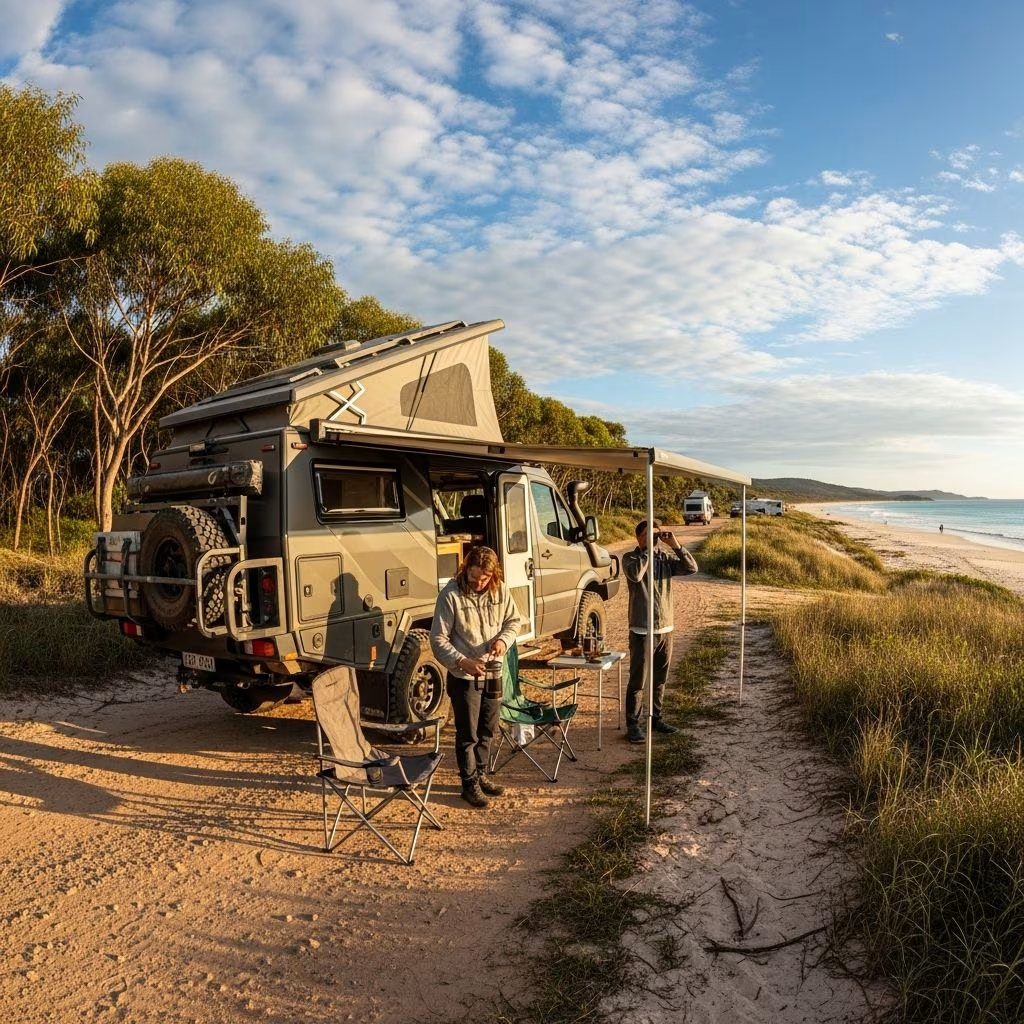
Traveling Australia by campervan offers unparalleled flexibility to chase sunsets along coastal highways, delve into rugged outback trails, and awaken to the sounds of native wildlife. This mode of exploration suits solo wanderers, couples, and families seeking authentic encounters with the continent’s dramatic scenery. Drawing from experiences of long-term road trippers, this guide provides actionable strategies to maximize enjoyment while minimizing mishaps.
Choosing the right vehicle sets the foundation for a successful trip. Prioritize models with reliable engines suited to long hauls, ample storage for gear, and features that enhance comfort during extended stays. For beginners, opt for 2WD vans capable of handling sealed roads and occasional well-maintained gravel paths; experienced drivers might consider 4WD for remote access.
Key considerations include bed size—especially for taller individuals—window screens to block insects, and an external awning for shaded outdoor living. Test the kitchen setup, fridge capacity, and water tanks to ensure they match your group’s needs. Rental companies offer diverse options from basic pop-tops to luxury motorhomes; compare insurance coverage, particularly for unsealed roads, as many policies exclude them.
| Campervan Type | Best For | Pros | Cons |
|---|---|---|---|
| 2WD Campervan | Coastal and highway routes | Affordable, fuel-efficient, easy to drive | Limited off-road capability |
| 4WD Off-Roader | Outback and national parks | Access to remote sites, higher ground clearance | More expensive, higher fuel use |
| Motorhome | Families or groups | Spacious interior, full amenities | Larger turning radius, harder parking |
Packing smartly transforms a campervan into a mobile home. Focus on multi-purpose items that withstand Australia’s variable climates, from tropical rains to desert heat. Stock a comprehensive toolkit for minor repairs, including spare tires, jumper cables, and basic mechanics supplies.
Embrace minimalism by limiting possessions to what fits neatly, leaving space for souvenirs. Regularly cull unnecessary items to maintain organization.
Australia’s scale demands thoughtful route planning without over-scheduling. Aim for 300-400 km daily maximum, allowing detours to hidden gems like shimmering salt lakes or ancient rock formations. Popular loops include the Great Ocean Road’s cliffs, Western Australia’s wild coastlines, Tropical North Queensland’s reefs, Tasmania’s lush interiors, and the Red Centre’s cultural heart.
Build flexibility into your plans: use apps for real-time updates on road conditions, fuel stops, and campsites. Share driving duties and pause every 2 hours to combat fatigue on monotonous stretches. Prioritize dawn starts to avoid peak wildlife activity around dusk, dubbed ‘kanga o’clock’ for kangaroo crossings.
Australian roads blend open highways with unpredictable wildlife and weather. Adhere to left-side driving, speed limits (often 110 km/h on highways, lower in towns), and rest stops every 2 hours. In remote areas, inform someone of your itinerary and check fuel gauges obsessively—stations can be sparse.
For breakdowns, stay with the vehicle; wandering increases risks in the heat. Avoid unsealed roads unless insured and equipped. Drive defensively near dawn and dusk, using whistles to deter animals. Local rules prohibit certain overtakes; consult state transport sites for updates.
Camping choices range from free bush spots to equipped sites. Seek powered campgrounds for recharging and facilities, especially in peak seasons—book ahead via apps or national park portals. Free camping thrives in national forests; inquire with locals or ‘Grey Nomads’ (retired travelers) for current spots.
Arrive by early afternoon to set up before dark: level the van, deploy awnings, and prepare cooking areas. Manage waste responsibly—pack out rubbish, use eco-toilets. In wet weather, prioritize sites with drainage; during fires, heed alerts from state emergency services.
Thriving in a campervan involves routines that blend adventure with practicality. Cook simple meals using solar showers for hygiene. Combat isolation by joining traveler Facebook groups or apps like WikiCamps for meetups. Rainy days call for indoor games or nearby attractions.
Power management is key: conserve batteries, use solar panels, and hook up when possible. Stay connected with portable Wi-Fi or satellite options in blackspots. Budget for fuel (rising inland), sites ($20-50/night), and groceries.
Each route offers unique ecosystems; time visits for wildflower seasons or whale migrations.
Avoid summer heat (Dec-Feb); spring (Sep-Nov) or autumn (Mar-May) ideal for mild weather.
Standard car license suffices for most vans under 4.5 tons; check rental specifics.
Expect $100-200 covering fuel, sites, food; varies by group size and remoteness.
No—use designated areas; fines apply in restricted zones like national parks.
Refill at towns, roadhouses; carry purification tablets for streams.
Campervan travel in Australia rewards preparation with lifelong memories of untamed beauty and self-reliant discovery.
