

Food & Culture Stays Travel Essentials Travel Guides Trip Ideas
Categories
From the Blog
Remy’s Ratatouille Adventure at EPCOT: Ride Review, Tips & 2D Update
Travel Essentials

Australia Myth-Busting Guide: Facts About Weather, Wildlife & Cities

Unravel stereotypes like endless sunshine, universal surfing skills, and outback dominance to plan a smarter trip Down Under.
Travel Essentials

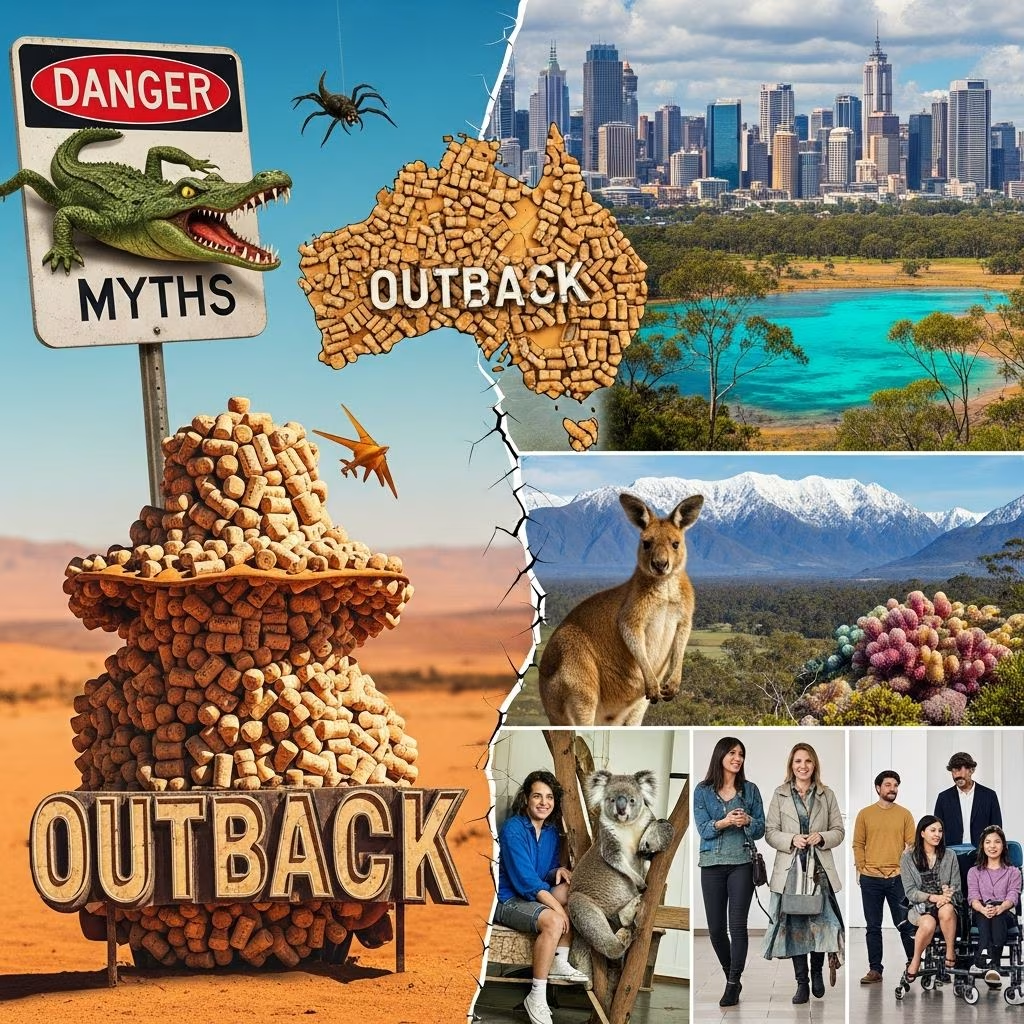
Australia captivates imaginations with images of sun-drenched beaches, rugged outback adventures, and unique wildlife. Yet, many preconceived notions stem from movies, media, and outdated tropes that oversimplify this vast continent. This article dismantles key myths, drawing on factual insights to reveal the real Australia—a land of diversity in climate, people, landscapes, and culture.

The Weather Puzzle: Not Always Beach Weather

One persistent belief portrays Australia as a perpetual summer paradise where temperatures soar year-round. In truth, this massive nation spans multiple climate zones, from tropical north to temperate south.

  • Northern regions like Darwin feature wet and dry seasons, with heavy monsoon rains from November to April.
  • Southern cities such as Melbourne experience ‘four seasons in a day,’ with sudden shifts from sun to rain.
  • The Australian Alps near Canberra receive substantial snowfall, enabling skiing that rivals European resorts.

While summer heatwaves can push temperatures to 40-50°C in inland areas, winter nights in Tasmania often dip below freezing. Travelers should pack layers and check regional forecasts to avoid surprises.

Urban Majority: Cities Over Desert

Media often depicts Australia as an endless outback dotted with dusty roads and isolated homesteads. Reality: over 90% of Australians live in coastal cities and suburbs.

CityPopulation (millions)Key Features
Sydney5.3Iconic harbor, modern skyline
Melbourne5.1Cultural hub, laneway cafes
Brisbane2.6Subtropical vibe, riverfront
Perth2.1Isolated yet vibrant beaches

These urban centers boast world-class infrastructure, diverse dining, and arts scenes. The outback covers much of the land but houses few residents, serving more as a natural and cultural treasure than daily life.

Multicultural Mosaic: Beyond the Blonde Surfer

Pop culture paints Australians as tall, tanned surfers with broad accents. Australia’s population reflects waves of migration from Europe, Asia, the Middle East, and beyond, plus deep Indigenous roots.

  • Over 30% of residents were born overseas, creating a tapestry of accents and cuisines.
  • Indigenous Australians, comprising 3.2% of the population, maintain ancient traditions amid modern life.
  • Beach culture thrives near coasts, but many prefer hiking, cycling, or urban pursuits.

Not everyone surfs; Royal Life Saving Australia notes one in four adults struggles with swimming, let alone wave-riding.

Wildlife Realities: Dangerous but Not Deadly Everywhere

Stories of venomous spiders, sharks, and snakes fuel fears of a death trap continent. Australia does host unique fauna, but encounters are rare in populated areas.

  • Kangaroos and koalas inhabit rural or sanctuary zones, not city streets.
  • Beaches have lifeguards and flags marking safe swims; shark sightings are monitored.
  • Most ‘dangerous’ creatures avoid humans; bites occur far less than road accidents.

Respect nature: stick to paths, swim patrolled areas, and use insect repellent for peace of mind.

Cultural Depth: More Than Beaches and Barbecues

Dismissing Australia as cultureless overlooks its rich heritage. Indigenous art dates back 60,000 years, influencing contemporary galleries.

  • World-renowned chefs fuse global flavors in cities like Sydney.
  • Festivals celebrate everything from music (Splendour in the Grass) to film (Sydney Festival).
  • Pub culture pairs with coffee scenes rivaling Italy’s.

Meat-loving barbecues coexist with booming vegan trends in coastal hotspots.

Historical Missteps: Convicts Aren’t the Whole Story

The ‘all Aussies are convict descendants’ trope ignores free settlers, gold rush migrants, and post-war arrivals. Only about 20% trace roots to the First Fleet; modern Australia thrives on immigration.

Size and Scope: A Continent, Not a Quick Jaunt

Australia rivals the U.S. in scale—flying Sydney to Perth equals New York to LA. One trip can’t cover it all; focus on regions for depth over breadth.

  • East Coast: Beaches and reefs.
  • Outback: Red rocks and stars.
  • Tasmania: Wilderness hikes.

Trains, flights, and road trips connect highlights efficiently.

Food and Drink: Diverse Palates

Beyond vegemite and meat pies, Australian cuisine shines with fresh seafood, native ingredients like wattleseed, and Asian influences from migrant communities. Craft beers and wines from Barossa Valley complement any meal.

Travel Tips to Sidestep Stereotypes

  • Research seasons: Avoid wet north in summer.
  • Embrace cities: Base trips there for authenticity.
  • Engage locals: Accents vary; patience bridges gaps.
  • Protect environment: ‘Leave no trace’ in nature spots.

Frequently Asked Questions

Is Australia safe from wildlife attacks?

Yes, in urban areas; risks rise in bush but are manageable with awareness.

Does it ever snow in Australia?

Absolutely—in the Alps and Tasmania during winter (June-August).

Are all Australians friendly?

Stereotypically yes, but like anywhere, personalities vary; warmth prevails.

Can you see the whole country in two weeks?

No—prioritize 1-2 regions for a fulfilling visit.

What’s the best time to visit?

Depends on location: dry season (May-Oct) for north; summer (Dec-Feb) for south.

Planning Your Authentic Australian Adventure

By shedding myths, travelers uncover a nuanced destination blending urban energy, natural spectacles, and cultural vibrancy. Whether chasing waves, city lights, or outback sunsets, Australia rewards the informed explorer.

References

  1. Royal Life Saving Australia Annual Report — Royal Life Saving Society Australia. 2023. https://www.royallifesaving.com.au/research/annual-drowning-reports
  2. Australian Bureau of Statistics – Population Data — Australian Government. 2024-06-01. https://www.abs.gov.au/statistics/people/population
  3. Bureau of Meteorology Climate Zones — Australian Government. 2025. http://www.bom.gov.au/climate/averages/climatology/
  4. Department of Agriculture, Water and the Environment – Wildlife — Australian Government. 2023-12. https://www.dcceew.gov.au/environment/biodiversity
  5. Tourism Australia Official Guide — Tourism Australia. 2026-01. https://www.australia.com/en/facts-and-planning/about-australia.html
ME
medha deb
Medha Deb is an editor with…

Medha Deb is an editor with a master's degree in Applied Linguistics from the University of Hyderabad. She believes that her qualification has helped her develop a deep understanding of language and its application in various contexts. Medha specializes in the areas of beauty, health, sports, and wellness and is committed to ensuring that the content on the website is of the highest quality.Medha's passion for writing and editing began early in life when she joined a book writer's club with her mother. It was there that she discovered her love for the written word and the power it holds to inform, inspire, and transform lives. Since then, she has honed her skills as a writer and editor, working with a variety of clients and publications to produce compelling and informative content. Currently, she writes and edits for CultureTreker.She is also an ardent animal lover and dedicates her time and resources to the foster care of neonatal kittens, providing them with the love and attention they need to thrive. Her commitment to animal welfare is a testament to her compassion and empathy, and it underscores her belief in the importance of caring for the most vulnerable members of our society.

← Previous
Best Time to Visit Vail, Colorado: A Seasonal Guide
‹›
