


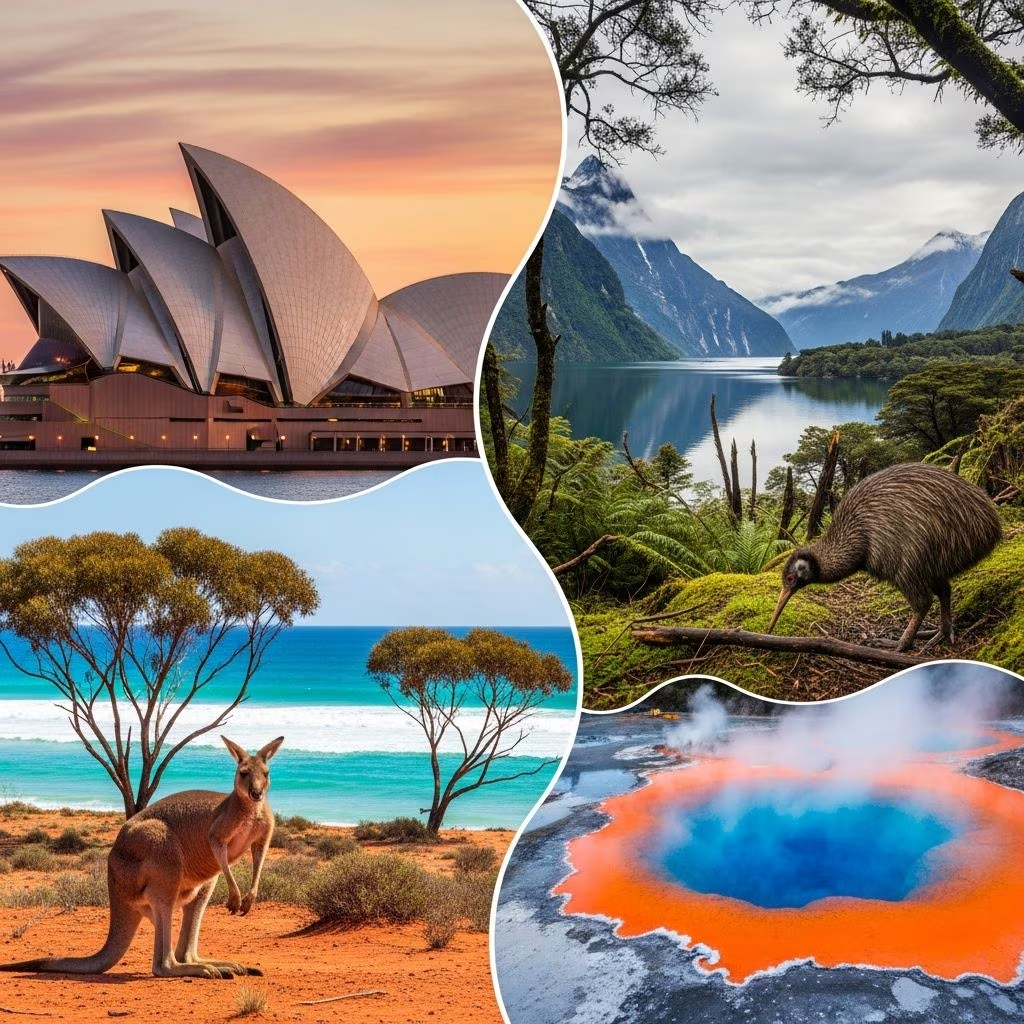
When planning a Pacific adventure, travelers often face a pivotal question: should they explore the sprawling continent of Australia or the compact yet dramatic landscapes of New Zealand? Both destinations offer world-class experiences, distinctive cultures, and unforgettable natural wonders, yet they cater to fundamentally different travel philosophies and vacation styles. Understanding the nuances between these two countries helps ensure your next journey aligns perfectly with your priorities, whether you seek urban sophistication, outdoor adventure, wildlife encounters, or cultural immersion.
Urban Centers and Metropolitan Appeal
Australia dominates when it comes to cosmopolitan city experiences. Sydney and Melbourne function as world-class metropolitan hubs comparable to London or New York, offering vibrant nightlife, diverse dining scenes, cultural institutions, and architectural landmarks. These cities provide the infrastructure and energy that major-city enthusiasts crave. Sydney’s iconic Opera House and Bondi Beach culture exemplify this urban-beach lifestyle fusion that Australia perfects. Combined, Sydney and Melbourne possess a larger population than all of New Zealand.
New Zealand’s largest city, Auckland, cannot match this scale but offers its own charm with a more relaxed, manageable feel. Wellington and Christchurch provide character without overwhelming crowds. If your vacation vision centers on exploring vibrant metropolitan areas, experiencing fine dining scenes, attending theater productions, and enjoying sophisticated urban amenities, Australia provides substantially more options. However, if you prefer cities with easier navigation and a slower pace, New Zealand’s urban offerings may feel more approachable.
Natural Landscapes and Scenic Diversity
New Zealand commands attention for dramatic mountain scenery and diverse landscapes. The South Island showcases towering mountain ranges, stunning fjords, and crystalline lakes that create some of Earth’s most photographed vistas. The North Island balances this with volcanic formations, geothermal features, and pristine beaches. The entire country functions as a nature photographer’s playground, where extraordinary scenery appears around nearly every bend.
Australia offers equally compelling but distinctly different natural appeal. The Great Barrier Reef represents one of the world’s seven natural wonders, stretching along the northeast coast. Far North Queensland combines tropical rainforest with coral ecosystems. The Northern Territory presents rugged wilderness, Aboriginal rock art sites, and natural swimming holes. The continent’s vastness means landscapes transform dramatically—from red-dirt outback to golden beaches to alpine ranges. Australia’s natural attractions require more travel between locations due to the country’s enormous size.
Key Landscape Differences:
- New Zealand: Concentrated beauty accessible via shorter distances; dramatic mountains and fjords dominate
- Australia: Dispersed attractions requiring flights between regions; diverse ecosystem types including reef, rainforest, and outback
- New Zealand: Hiking trails and mountain passes; ideal for adventure sports
- Australia: Beach culture and coastal experiences; desert and tropical exploration
Wildlife Encounters and Biodiversity
Australia showcases superior wildlife diversity compared to New Zealand. Kangaroos, koalas, wombats, platypuses, and countless bird species create an entirely unique fauna found nowhere else on Earth. Marine life includes everything from whale sharks to sea turtles. The Great Barrier Reef ecosystem supports thousands of marine species in a single location.
New Zealand’s wildlife proves less diverse but offers distinct advantages for certain travelers. The country harbors no poisonous snakes, allowing visitors to explore nature with reduced vigilance regarding dangerous encounters. Endemic species like kiwis, fantails, and tuataras exist nowhere else, but the overall variety cannot match Australia’s ecological richness. This difference means wildlife enthusiasts will find Australia more rewarding, while those prioritizing hiking and outdoor activities without wildlife concerns may prefer New Zealand’s safety profile.
Cultural Experiences and Indigenous Heritage
Both countries possess rich indigenous cultures, but their integration into contemporary society differs significantly. New Zealand actively incorporates Māori culture into daily life and tourist experiences. Auckland Airport features bilingual English-Māori signage, Te Reo Māori language instruction occurs in schools nationwide, and Māori cultural performances, cuisine, and art forms receive mainstream recognition. This cultural presence creates an authentic, integrated experience where indigenous heritage feels woven into the national fabric.
Australia’s Aboriginal culture, while deeply significant and increasingly celebrated, remains less visible in major urban centers. Aboriginal art, didgeridoo performances, and cultural sites exist throughout the country, particularly in Northern Territory locations like Uluru and Kakadu National Park. However, in cities like Sydney and Melbourne, white culture predominantly shapes the urban landscape. Travelers specifically seeking immersion in indigenous cultures may find New Zealand’s approach more pervasive, though Australia offers profound experiences in regional areas and designated cultural centers.
Cost Considerations and Budget Planning
New Zealand edges out Australia for affordability, with estimates suggesting the country costs approximately 18% less for overall living expenses. Flight fares, accommodation, and dining typically run cheaper in New Zealand, allowing budget-conscious travelers to extend their trips or allocate funds toward premium experiences. Group tours and organized activities often provide excellent value, bundling accommodation, meals, and activities into single packages.
Australia’s higher costs primarily reflect its developed infrastructure, larger tourist infrastructure, and major city pricing. Sydney dining and entertainment expenses rival other global capitals. However, both countries offer free attractions—Australia’s beaches remain perpetually free, while New Zealand’s natural wonders require no entrance fees. Comparing specific activities:
| Expense Category | Australia | New Zealand |
|---|---|---|
| Daily Budget (Budget Traveler) | Higher | Lower (18% average savings) |
| Paid Attractions | More options (museums, shows, botanical gardens) | Most natural attractions free |
| Accommodation | Expensive in major cities | Generally more affordable |
| Dining Out | Higher restaurant costs | Lower dining expenses |
| Domestic Flights | Necessary; more expensive | Optional; regional trips by car possible |
Transportation and Logistics
Both countries drive on the left side of the road, requiring adjustment for visitors from countries favoring right-side driving. Public transportation serves major cities well—Australia’s systems in Sydney, Melbourne, and Perth rank among the cleanest and most efficient globally, even extending into Western Australia. New Zealand’s public transportation concentrates in Auckland; other cities like Wellington, Queenstown, and Christchurch offer more limited systems.
Renting a car becomes essential for experiencing natural attractions in both countries. Australia’s vast geography necessitates strategic planning; a two-and-a-half-week trip requires prioritizing regions since driving across the continent would consume the entire vacation. Flying between major hubs (Sydney to Cairns, Melbourne to Perth) makes practical sense. New Zealand’s compact size allows independent travelers to explore comprehensively by car in two to three weeks, making road trips genuinely feasible without flying between regions. Automatic transmission rental cars in both countries ease the left-side driving adjustment.
Trip Duration and Itinerary Intensity
Australia suits travelers with longer vacations or those prioritizing a “greatest hits” bucket-list approach. Three weeks might cover Sydney’s urban delights, the Great Barrier Reef, Uluru (Ayers Rock), and perhaps a few beach destinations. Comprehensive exploration requires either extended time or strategic region selection.
New Zealand works exceptionally well for two to three-week trips where travelers want to immerse themselves in natural beauty, hiking, and scenic drives without constant repositioning. The South Island’s Milford Sound, Queenstown adventure sports, and West Coast glaciers all connect via manageable driving distances. This country suits travelers wanting a more relaxed itinerary with fewer places but deeper experiences at each stop.
Seasonal Considerations
Both countries occupy the Southern Hemisphere, meaning seasons reverse from Northern Hemisphere patterns. Australia’s summer (December through February) brings peak beach season but intense heat in interior regions. Visiting during Australia’s autumn (March-May) or spring (September-November) often provides optimal weather. Northern Territory experiences a distinct dry season.
New Zealand’s seasons matter less for extreme weather concerns but affect activity availability. Summer (December-February) suits hiking and outdoor adventures, while winter brings skiing opportunities. The country’s compact size means seasonal variations matter less than in Australia.
Combining Both Destinations
A short flight of approximately three and a half hours connects Australia’s east coast cities to Auckland, making a combined itinerary feasible for travelers with three weeks or more. Many adventurers spend one week in Australia exploring Sydney or the Great Barrier Reef, then continue to New Zealand for another week or more of nature-based activities. This approach maximizes diverse experiences without requiring excessive travel time.
Frequently Asked Questions
Which destination suits first-time visitors better?
Australia appeals to those seeking big-city experiences combined with natural attractions, while New Zealand suits outdoor enthusiasts prioritizing hiking, scenery, and relaxation over urban exploration.
Can I drive myself in either country without experience?
Yes, both countries feature well-signed roads and reliable rental car infrastructure. Left-side driving requires adjustment, but modern rental cars with automatic transmissions make adaptation manageable.
Which country is safer for solo female travelers?
Both countries rank highly for solo traveler safety. New Zealand’s smaller size and closer-knit communities may feel slightly more intimate, while Australia’s larger infrastructure provides more options and support networks.
What’s the best time to visit each country?
Australia: March-May (Autumn) or September-November (Spring) for most regions. New Zealand: December-February (Summer) for hiking; June-August (Winter) for skiing.
How much money should I budget for each destination?
Budget travelers: Australia $100-150 USD daily; New Zealand $80-120 USD daily. Mid-range travelers: Australia $150-300 USD daily; New Zealand $120-250 USD daily.
Making Your Decision
Ultimately, choosing between Australia and New Zealand depends on your travel priorities. Select Australia if you crave cosmopolitan cities, diverse wildlife encounters, world-famous icons like the Great Barrier Reef and Uluru, and are prepared for higher costs and greater travel distances. Choose New Zealand if you prioritize dramatic mountain scenery, outdoor adventure, cultural immersion, manageable trip logistics, and lower overall expenses.
For many travelers, the false choice between these destinations dissolves when combining both into a single Pacific expedition. The relatively short flight between them enables experiencing Australia’s urban sophistication and vast landscapes alongside New Zealand’s concentrated natural drama and outdoor adventure. Regardless of your choice, both countries deliver experiences that justify their status as premier travel destinations, offering unforgettable memories and perspectives that transform how you see the world.
References
- Destination Dreamer Diaries: Australia vs New Zealand Comparison — Destination Dreamer Diaries. 2024. https://www.destinationdreamerdiaries.com/blog/australia-vs-new-zealand-which-country-should-you-visit
- Wanderlust Marriage: Australia or New Zealand Travel Guide — Wanderlust Marriage. 2024. https://wanderlustmarriage.com/australia-or-new-zealand-which-to-visit/
- Gap 360: Australia or New Zealand Travel Destination Guide — Gap 360. 2024. https://www.gap360.com/guidebook/australia-or-new-zealand-which-travel-destination-is-for-you
- Rick Steves Travel Forum: Australia or New Zealand Discussion — Rick Steves. 2024. https://community.ricksteves.com/travel-forum/beyond-europe/australia-or-new-zealand
- Lonely Planet: Australia vs New Zealand Destination Comparison — Lonely Planet. 2024. https://www.lonelyplanet.com/articles/australia-vs-new-zealand

