

 Travel Essentials
 Travel Essentials

Discover Australia’s best underwater adventures, from Great Barrier Reef snorkel spots to temperate dive sites, whale sharks, and sea lion encounters.
 Travel Essentials
Australia’s coastlines offer some of the world’s most spectacular underwater environments for both recreational snorkelers and experienced divers. The continent’s diverse marine ecosystems range from tropical coral reefs to temperate ocean gardens, providing opportunities to encounter everything from whale sharks to sea lions. Whether you’re seeking your first underwater experience or pursuing advanced diving certifications, Australia’s waters deliver unforgettable encounters with marine life and geological formations that have captivated explorers for generations.
Queensland’s northern coastline represents one of the planet’s most significant marine biodiversity hotspots. The region’s reef systems support hundreds of fish species and countless invertebrates, creating underwater landscapes of remarkable complexity and color. The shallow tropical waters maintain warm temperatures year-round, making them accessible to snorkelers of varying abilities while providing challenging dive sites for advanced practitioners.
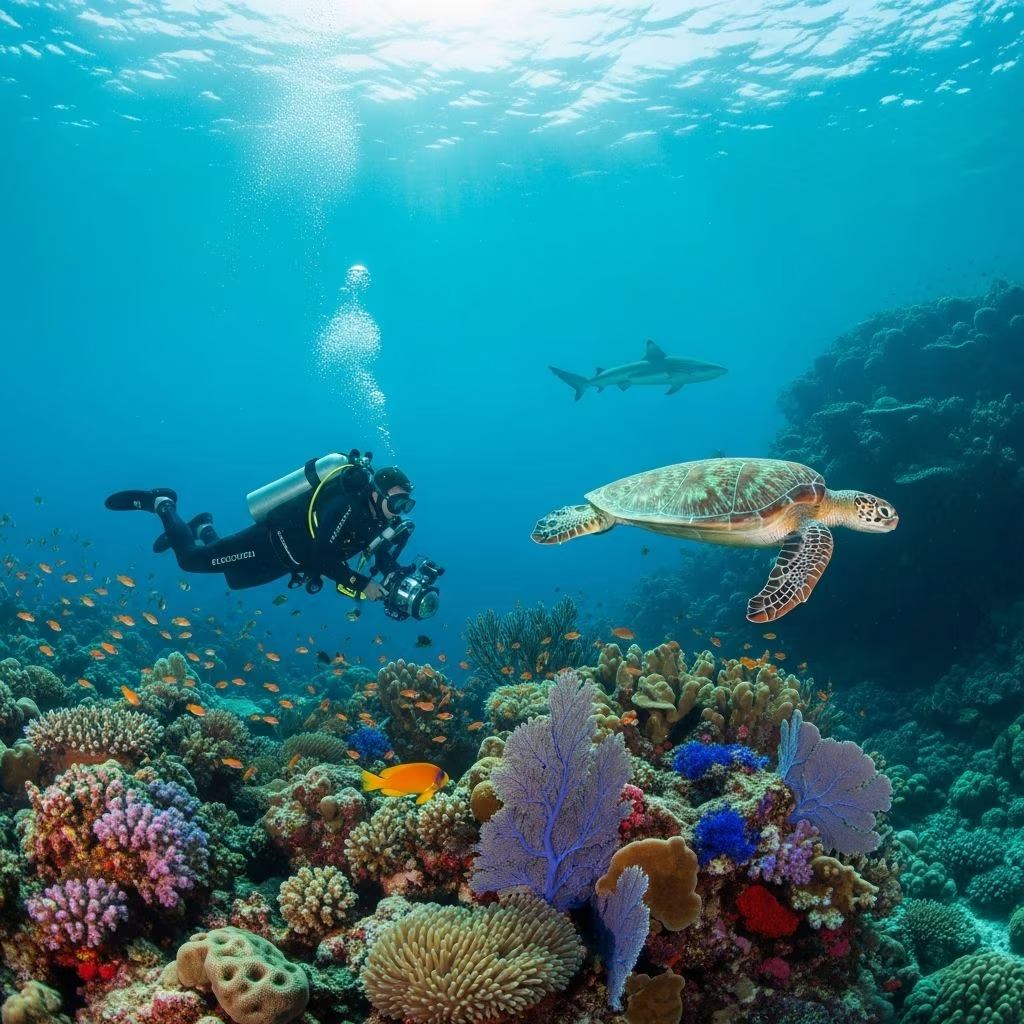
The Low Isles, situated approximately fifteen minutes by boat from Port Douglas, offer an excellent introduction to reef exploration. These islands provide snorkeling opportunities among coral formations where sea turtles inhabit the waters. Half-day and full-day excursions allow visitors to experience vibrant coral gardens and observe the intricate relationships between fish species and their reef habitat. The relatively calm conditions around these islands make them ideal for families and first-time snorkelers seeking manageable reef encounters.
The Coral Sea, accessible from the Queensland coast, presents more demanding diving conditions suited to experienced divers seeking challenging expeditions. This offshore region features dramatic walls, canyons, and pristine coral formations that remain largely undisturbed by human activity. The combination of strong currents and significant depths creates an environment where advanced divers can encounter larger pelagic species and witness dynamic reef ecosystems in their most natural state.
Ningaloo Marine Park extends for approximately 260 kilometers along Western Australia’s northwestern coast, establishing itself as Australia’s second-largest coral reef system. This massive fringing reef combines accessibility with exceptional biodiversity, attracting both casual snorkelers and dedicated diving enthusiasts. The park’s designation as a World Heritage Area reflects the ecological significance of its marine environment and the diversity of species dependent on its complex reef structure.
Exmouth serves as the primary base for accessing Ningaloo’s various snorkeling and diving opportunities. The sheltered waters around the Exmouth Peninsula provide conditions suitable for multiple experience levels, with shallow lagoon areas offering gentle snorkeling experiences alongside deeper reef walls that challenge experienced divers. Local operators facilitate access to different sections of the reef system, allowing visitors to customize their underwater adventures based on skill level and personal interests.
Between late March and late July, Ningaloo transforms into a focal point for whale shark encounters. These enormous planktivorous fish migrate through the region’s waters, and swimmers have opportunities to observe them in their natural habitat. The combination of reef snorkeling and seasonal megafauna encounters makes Ningaloo particularly appealing to travelers seeking multiple aquatic experiences during a single visit.
Lighthouse Bay near Bundegi Beach features several distinctive dive sites accessible within thirty minutes of the shore. Locations such as the Labyrinth, Gulliver’s, and Helga’s Tunnels showcase limestone formations and coral communities adapted to the region’s specific environmental conditions. Maximum depths rarely exceed fifteen meters at these sites, ensuring abundant light penetration that reveals the intricate details of coral polyps and resident fish populations.
New South Wales presents diving opportunities that differ dramatically from tropical reef environments. The cooler ocean temperatures and strong currents along the southern coast create unique marine ecosystems supporting kelp forests, rocky reefs, and pelagic species adapted to temperate conditions. Julian Rocks, located near Byron Bay, exemplifies the type of underwater topography found in this region, featuring dramatic rock formations that create natural channels and crevices inhabited by diverse fish communities.
South West Rocks, a fishing village approximately five hours north of Sydney, hosts Fish Rock—a prominent dive site featuring Australia’s only submerged cave accessible to divers without specialized cave diving certifications. This location attracts divers specifically interested in exploring unique geological features and observing schools of grey nurse sharks that inhabit the area. The convergence of temperate and tropical water currents creates a meeting zone where marine species from both environments coexist, increasing the potential for diverse wildlife encounters during single dives.
Shelly Beach near Manly offers snorkeling directly from the shore, eliminating the need for boat access. Over two hundred fish species inhabit these waters, including the distinctive blue groper that frequents this location. Guided tours enhance the snorkeling experience by providing context about fish behavior and reef ecology, transforming casual water time into educational marine exploration.
South Australia’s southern coastline provides opportunities for marine interactions found nowhere else along the Australian continent. Baird Bay, located near Port Lincoln, has gained recognition for allowing swimmers to encounter bottlenose dolphins and sea lions in their natural environment. These marine mammals tolerate human presence in carefully managed conditions, creating memorable experiences that emphasize wildlife behavior in undisturbed contexts.
The shallow calm waters of Baird Bay provide safe snorkeling conditions where encounters occur predictably during specific seasons. The contrast between observing dolphins in deeper ocean waters and sea lions in shallow areas demonstrates the vertical stratification of marine ecosystems and how different species occupy distinct ecological niches.
Tasmania’s southern coast has emerged as a destination for technical deep-water diving, attracting experienced practitioners interested in exploring environments few recreational divers visit. Bicheno, positioned north of Freycinet National Park, serves as the primary hub for accessing Tasmania’s most significant dive sites. The region’s distinctive nomenclature reflects local diving culture, with sites bearing names like Paradise Reef and Magic Garden.
Magic Garden, a wall formation descending to thirty-eight meters, exemplifies the types of geological features that characterize Tasmanian diving. The wall structure creates habitats supporting dense populations of marine life adapted to cooler southern waters. Deep dives in this region require proper training, appropriate equipment, and careful attention to decompression protocols, but the encounters available to qualified divers justify the technical demands of exploration.
The Gold Coast has developed an innovative approach to diving infrastructure through Wonder Reef, the world’s first buoyant artificial reef. This structure, positioned 2.5 kilometers offshore from Main Beach, provides multiple depth levels at eight, eighteen, and thirty meters, accommodating divers across the entire experience spectrum. The reef’s design incorporates openings, ledges, and swim-throughs that create an interactive underwater playground while supporting the development of coral and fish communities.
Kirra Reef, located at the southern terminus of the Gold Coast, features scattered rocky outcrops covered in kelp fronds. Over one hundred meters of swimming distance allows divers to explore the transitions between rock formations while observing soft corals, anemones, and macro marine life. The protection provided by surrounding landforms makes Kirra Reef suitable for diving during seasons when other sites experience challenging conditions.
Australia’s island ecosystems support distinct snorkeling environments that differ from mainland reef systems. Rottnest Island, accessible by short ferry from Perth, features numerous secluded beaches and isolated snorkeling locations. Popular sites including the Basin, Parakeet Bay, and Parker Point each offer different reef characteristics and marine species compositions, allowing visitors to experience varied underwater environments during single-day excursions.
Lord Howe Island and Heron Island contribute to the diversity of snorkeling opportunities available along Australia’s eastern seaboard. These islands sit within or adjacent to reef systems that support distinct ecological communities shaped by their specific geographic positions and oceanographic conditions.
Selecting appropriate diving or snorkeling destinations requires considering multiple factors beyond simple proximity. Water temperature varies significantly between tropical and temperate regions, necessitating appropriate exposure protection. Current strength, visibility conditions, and seasonal variations in marine life distribution should inform destination selection timing. Visitors possessing advanced diving certifications gain access to deeper sites and more challenging conditions, while recreational snorkelers benefit from shallow reef areas offering excellent visibility and abundant marine life.
Professional operators provide essential services including equipment rental, guided experiences, and certification courses for divers lacking prerequisite training. Many locations offer PADI certification opportunities, allowing visitors to obtain formal diving qualifications before attempting deeper dives at their chosen destinations.
Australia’s seasonal patterns significantly impact underwater conditions and marine life distribution. Tropical regions maintain relatively consistent temperatures throughout the year, while temperate areas experience pronounced seasonal temperature fluctuations. Winter months bring cooler water temperatures but also increased visibility in some locations. Specific marine species including whale sharks, manta rays, and sea turtles follow migration patterns creating temporal windows for observing particular species. Understanding these seasonal dynamics allows travelers to time visits to maximize encounters with specific marine life or to access optimal diving conditions.
Australia’s marine ecosystems face ongoing pressures from climate change, fishing practices, and human activity. Responsible snorkeling and diving practices minimize negative impacts on coral communities and marine life. Avoiding contact with corals, maintaining appropriate distances from marine animals, and following operator guidelines protects these environments for future visitors while preserving the natural behaviors of marine species. Many dive sites implement conservation protocols that visitors should respect, including designated areas for human activity and restrictions on collection of marine organisms or artifacts.
