

 Travel Essentials
 Travel Essentials

Explore Australia’s most breathtaking natural wonders, from the Great Barrier Reef and Uluru to the Twelve Apostles, Lake Eyre, and beyond.
 Travel Essentials
Australia boasts some of the planet’s most extraordinary natural features, shaped by millions of years of geological forces, diverse climates, and rich cultural heritage. From vast coral ecosystems visible from space to towering rock formations sacred to Indigenous peoples, these sites draw millions of visitors annually. This guide highlights key attractions, offering insights into their formation, unique characteristics, and practical travel advice.
The reefs off Australia’s coasts represent biodiversity hotspots teeming with life. These ecosystems support thousands of species and provide unparalleled snorkeling and diving opportunities.
Stretching over 2,300 kilometers along Queensland’s coast, the Great Barrier Reef is the world’s largest coral reef system, comprising more than 3,000 individual reefs and 900 islands. Visible from space, it hosts over 1,500 fish species, vibrant corals, sea turtles, and rays. Access points like Cairns and the Whitsundays offer island escapes and boat tours.
In Western Australia, Ningaloo Reef spans 260-300 kilometers as the world’s largest fringing reef, accessible directly from beaches near Exmouth and Coral Bay. Swim with gentle whale sharks in winter, spot humpback whales, manta rays, turtles, and tropical fish in emerald lagoons. Its UNESCO status underscores its marine importance.
| Feature | Great Barrier Reef | Ningaloo Reef |
|---|---|---|
| Length | 2,300 km | 260-300 km |
| Access | Boat/islands | Beachfront |
| Highlights | Diverse corals, islands | Whale sharks, rays |
Australia’s interior features massive rock structures emerging from flat deserts, holding deep spiritual significance for Aboriginal communities.
In Uluru-Kata Tjuta National Park, Uluru (Ayers Rock) and Kata Tjuta (the Olgas) rise dramatically from the Red Centre. Uluru, a 700-million-year-old sandstone monolith, changes color at sunrise and sunset. Kata Tjuta’s 36 domes span 700 million years of history. Guided tours reveal Anangu cultural stories; climbing is prohibited to respect sacred sites.
The Purnululu National Park’s Bungle Bungle features striped sandstone domes resembling beehives, formed over 350 million years. Accessed by scenic flights or hikes, these fragile formations showcase nature’s sculpting power.
Australia’s rugged coastlines deliver erosion-carved wonders and unique tidal phenomena.
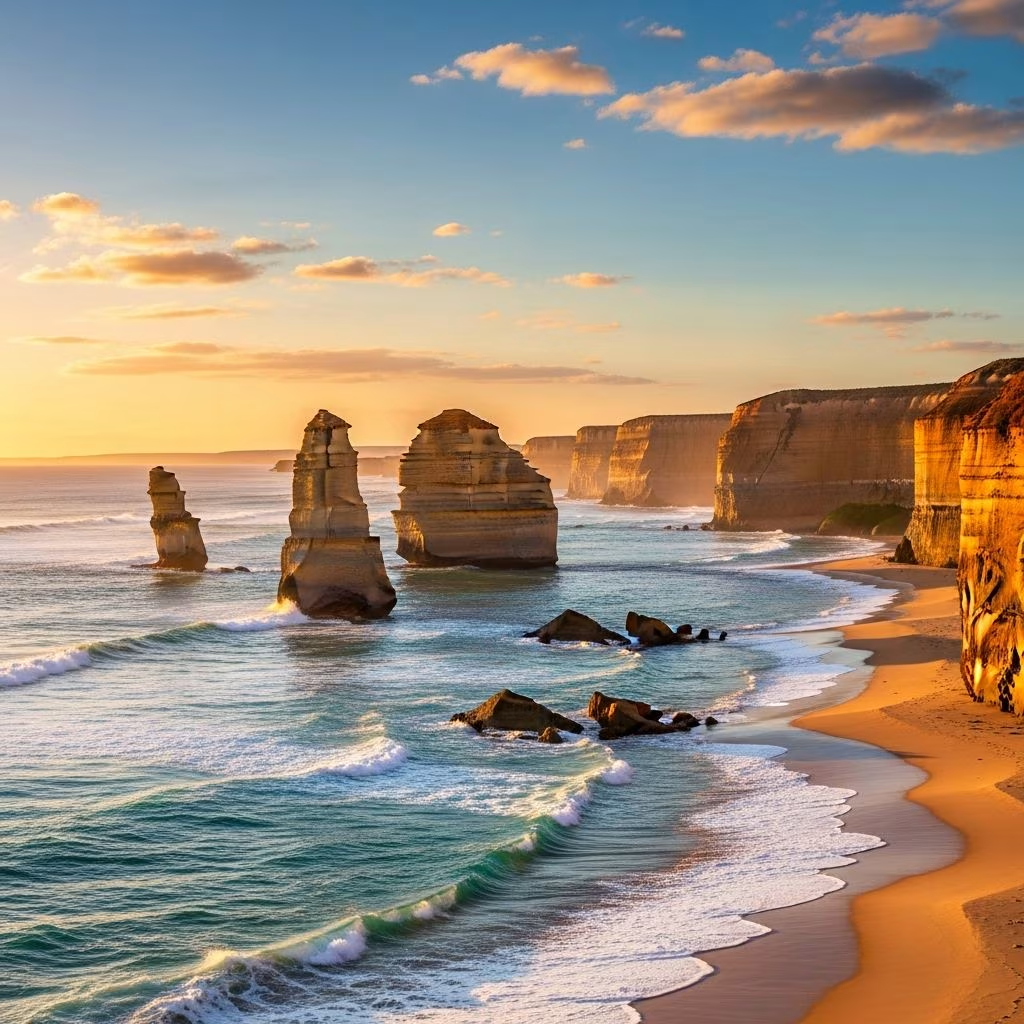
Off Victoria’s coast, the Twelve Apostles are towering limestone stacks battered by Southern Ocean waves. Once part of cliffs, erosion has isolated eight remaining stacks. View them at sunrise or sunset from lookouts along the iconic Great Ocean Road for dramatic lighting.
In Western Australia’s Kimberley region, Horizontal Falls form where massive tides squeeze through narrow gorges, creating horizontal ‘waterfalls.’ Thrill-seekers experience this via seaplane or speedboat tours amid stunning coastal scenery.
Inland salt lakes transform dramatically with rare floods, offering surreal visuals.
South Australia’s Kati Thanda-Lake Eyre covers 144 km by 77 km, usually a sparkling pink salt bed due to algae and brine shrimp. Infrequent floods create a mirror-like expanse, attracting birds and photographers. Scenic flights reveal its vast scale.
On South Australia’s Limestone Coast, the Blue Lake fills a 72-meter-deep volcanic crater with water shifting from cobalt to turquoise in spring. Surrounded by sinkholes and coastal wonders, it’s a serene contrast to arid landscapes.
Synclines, craters, and wind-sculpted rocks define these accessible natural basins.
In South Australia’s Flinders Ranges, Wilpena Pound (Ikara) is a vast sunken amphitheater eight times Uluru’s size, 700 million years old. Hike trails to spot wildlife, fossils, and Adnyamathanha rock art amid jagged peaks.
Flinders Chase National Park’s Remarkable Rocks perch precariously on cliffs, shaped by wind and orange lichen into abstract forms. Best at dawn or dusk when shadows enhance their surreal shapes.
Remote falls plunge through gorges, accessible by air or foot.
The four-tiered Mitchell Falls in the Kimberley drop amidst rainforests and red rock. An 8.6 km hike reveals ancient rock art and views; helicopter tours offer overhead perspectives.
To experience these sites responsibly:
The Great Barrier Reef tops lists as the world’s largest coral system, visible from space.
Yes, at Ningaloo Reef during winter months in guided tours.
No, climbing is banned since 2019 to honor Anangu culture.
Drive the Great Ocean Road; visit at sunrise/sunset for best views.
Year-round as a dry salt bed; floods rarely create water vistas.
