


 Food & Culture
Food & Culture
Austrian Food Guide: Traditional Dishes, Desserts & Drinks
Explore Austria's diverse culinary landscape featuring hearty mountain fare, Viennese imperial dishes, regional specialties, and world-class dining establishments across the country.
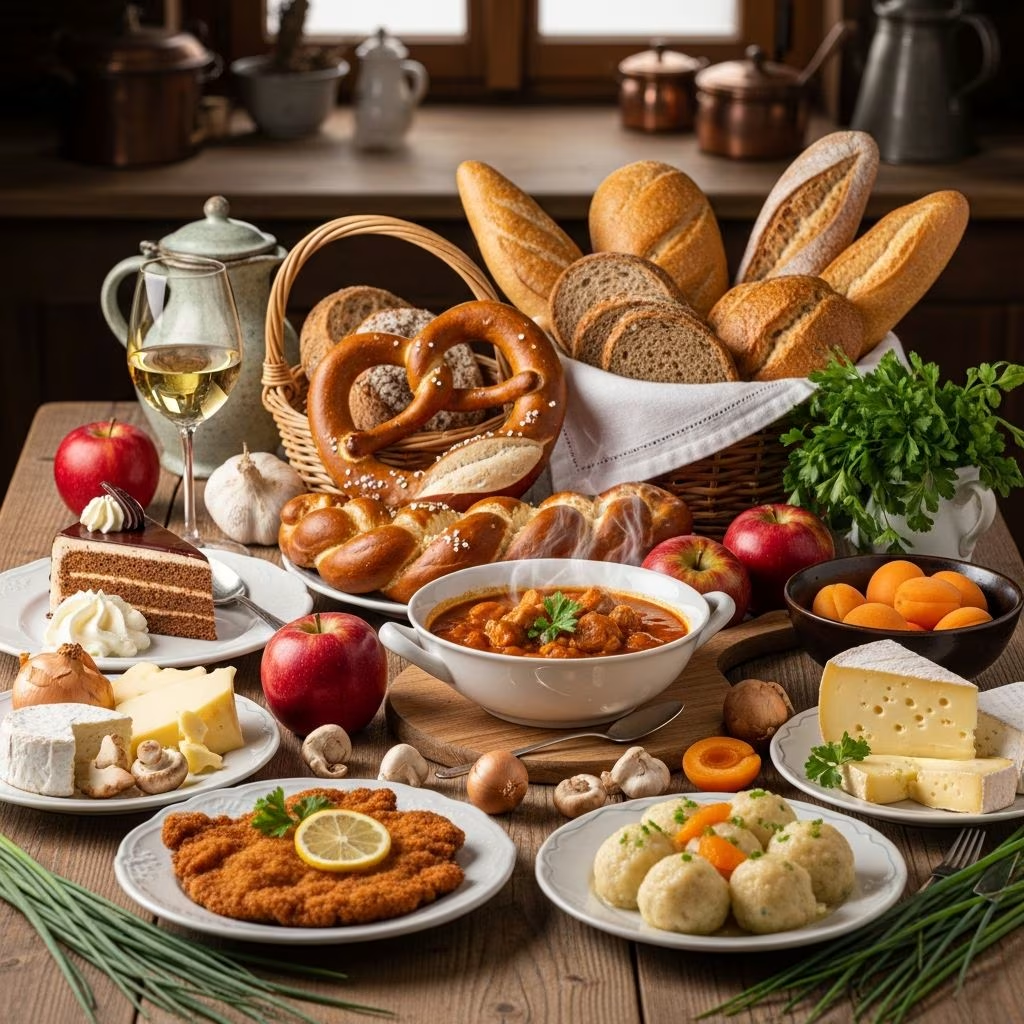 Food & Culture
Austria’s culinary landscape represents a fascinating blend of rustic mountain traditions and refined imperial elegance. The country’s gastronomic identity stems from centuries of cultural exchange, agricultural abundance, and a deep respect for seasonal, locally-sourced ingredients. Whether you’re exploring Vienna’s historic coffee houses or hiking through Alpine valleys, Austrian food tells stories of emperors, farmers, and regional pride that has endured through generations.
The Foundation of Austrian Gastronomy
Austrian food culture is fundamentally rooted in tradition and seasonality. The cuisine emphasizes hearty, substantial dishes that reflect the country’s geographic diversity—from lowland agricultural regions to high Alpine areas. This geographic variation has created distinct regional food identities, with each province maintaining its own culinary specialties and preparation methods.
The historical influence of the Austro-Hungarian Empire left an indelible mark on what Austrians eat today. Imperial cooking techniques, refined presentation styles, and ingredient combinations from this era continue to influence contemporary Austrian restaurants and home kitchens. This legacy created a unique fusion where simple peasant dishes exist alongside sophisticated imperial recipes on the same table.
Quality ingredients form the cornerstone of Austrian cooking. Bakers, confectioners, and local market vendors provide fresh, seasonal produce and artisanal goods. This commitment to ingredient integrity means that even straightforward dishes achieve remarkable flavor through proper sourcing and minimal processing.
Vienna’s Iconic Culinary Trio
The Austrian capital claims three legendary dishes that define Viennese cuisine. Each represents a different aspect of the city’s food culture and remains essential dining experiences for visitors.
Wiener Schnitzel stands as Austria’s most internationally recognized dish. This elegantly simple preparation features a thin veal cutlet, coated in flour, egg, and breadcrumbs, then fried until golden and crispy. The dish achieves its distinctive character through proper technique: the meat must be pounded thin to ensure even cooking, and the breading must achieve a delicate crunch. Traditionally served with potato salad, this comfort food has achieved status as a national culinary symbol. The historic restaurant Figlmüller claims invention of this dish in 1905 and remains the definitive destination for experiencing authentic preparation.
Tafelspitz represents the refined side of Viennese cooking. This boiled beef dish consists of tender meat simmered in a flavorful broth with root vegetables, herbs, and spices. Emperor Franz Joseph I favored this dish, cementing its association with imperial dining. The preparation requires patience and attention to detail—the meat must simmer gently until reaching perfect tenderness. Served with roasted potatoes, fresh vegetables, and pungent horseradish sauce, Tafelspitz exemplifies how simple ingredients transform into sophisticated fare through proper technique. The Viennese institution Plachutta specializes in this preparation and offers an authoritative example of the dish.
Gulasch brings Hungarian influence into Vienna’s culinary repertoire. This paprika-spiced meat stew demonstrates Austria’s historical connection to Central European neighbors. The slow cooking process allows the paprika to develop deep, complex flavors that permeate every ingredient. Served in generous portions, Gulasch provides warming sustenance, particularly appreciated during colder months.
Sweet Conclusions and Street Food Culture
Viennese desserts deserve special attention within Austrian cuisine. Apfelstrudel represents traditional pastry craft at its finest. This flaky pastry creation contains spiced apples and raisins, with each layer contributing to the dish’s complexity. The pastry requires skillful rolling technique to achieve its characteristic thin, delicate sheets. Unlike many strudels that employ commercial phyllo, authentic preparation involves hand-stretching dough to nearly transparent thinness.
Kaiserschmarrn offers a lighter alternative for those seeking substantial yet not overly rich desserts. This shredded, fluffy pancake is typically served with fruit compote, providing textural contrast and tartness that balances the dish’s richness.
Vienna’s Sächertorte stands as perhaps Austria’s most famous chocolate creation. This rich, layered chocolate cake features apricot jam in the center and is crowned with chocolate icing, then served with thick whipped cream. Created in the 1800s, this dessert represents the height of Viennese pastry tradition and is best experienced in elegant coffee houses that serve this creation as part of their core offerings.
Street food in Vienna centers on the Würstelstand—sausage stands offering casual eating experiences. The legendary Käsekrainer, a sausage filled with tiny cubes of cheese, represents the most famous stand-food creation. Other options include traditional bratwurst, spicy Balkan sausages, and currywurst preparations. Würstelstand LEO has operated continuously since 1928, making it Vienna’s longest-standing street food institution. For those seeking late-night snacks, these stands operate when traditional restaurants close, providing accessible, satisfying options for opera-goers and night owls alike.
Regional Specialties Across Austrian Provinces
Austria’s provinces each maintain distinct culinary identities that reflect local agriculture, geography, and cultural history. This regional diversity means that traveling through Austria offers continuously evolving food experiences.
Styria, located in Austria’s southeastern region, produces pumpkin seed oil that has achieved international recognition. This distinctive green oil appears in countless Styrian preparations, from soups to salads, imparting a nutty, earthy flavor. Kürbiscremesuppe (pumpkin cream soup) represents autumn comfort food in Styria, often enriched with this regional oil. Beyond pumpkins, Styria produces high-quality wines and serves as a center for traditional Alpine cooking.
Vorarlberg, Austria’s westernmost region bordering Switzerland and Liechtenstein, claims mountain cheese as its defining ingredient. The KäseStrasse Bregenzerwald represents a regional alliance of 22 cheesemakers and dairies committed to traditional production methods. Kässpätzle—egg noodle dumplings layered with cheese and topped with crispy onions—exemplifies post-hike sustenance in this Alpine region. This hearty preparation provides warmth and fuel for mountain travelers, and its variations reflect individual family traditions and local cheese characteristics.
Tirol maintains strong Alpine culinary traditions, with hearty mountain fare dominating regional cooking. Soups play crucial roles in Austrian food culture, particularly in colder months. Beyond the capital’s famous Frittatensuppe (pancake soup with thin crepe ribbons in beef broth), regional variations include vegetable broths and varying pancake preparations.
Essential Ingredients and Foundational Dishes
Several foundational elements appear throughout Austrian cuisine, creating coherence across regional variations.
Bread and Bakery Culture
Austria maintains a strong bakery tradition with distinct bread and pastry specialties. Brezn (pretzels) appear throughout the country in bakeries and beer gardens, offering portable, satisfying snacks. Dark bread accompanies most meals, providing substantial sustenance and complementing cheeses and spreads. Bakeries remain social centers in Austrian towns, with morning visits for fresh bread and pastries forming part of daily ritual.
Cheese-Based Preparations
Liptauer represents a distinctive Austrian cheese spread that originated during the Austro-Hungarian Empire. This creamy dip features a distinctive bright orange hue derived from paprika. Made from sheep milk cheese, goat cheese, quark, or cottage cheese base, Liptauer gains complexity through additions of mustard, capers, and finely chopped onions. Traditionally served with pickles or radishes, this spread exemplifies how simple ingredients combine into memorable preparations.
The Brettljause represents a casual dining concept bringing together sliced meats, cheeses, pickles, and spreads on shared wooden boards. This presentation style encourages communal eating and conversation, reflecting Austrian values around gathering and socialization.
Sausage Varieties
Sausages permeate Austrian cuisine across contexts—street food, casual meals, and traditional preparations. Wiener Würstel refers to slender Vienna sausages typically served simply with mustard and bread. Beyond these, Bratwurst (grilled sausage), Bosna (spicy Balkan sausage), and various regional specialties demonstrate Austria’s sausage-making heritage.
Dining Venues and Culinary Experiences
Austrian dining venues range from casual to elaborate, each offering distinct experiences.
Traditional Beisls represent casual bistro-pub environments serving regional classics. Der Steirer in Graz exemplifies this concept, offering Styrian specialties like Backhendl alongside modern tapas creations paired with local white wines. These establishments provide authentic local atmosphere without pretension.
Heurigen (wine taverns) offer informal settings for experiencing Austrian wine and casual food. These rustic venues often feature outdoor seating, live music, and family-style hospitality that encourages lingering and conversation.
Viennese Coffee Houses represent distinctive Austrian institutions where pastries, coffee, and social connection converge. These elegant spaces serve as backdrops for experiencing Sachertorte and other traditional desserts while engaging in reading, writing, or conversation. The coffee house culture emphasizes unhurried time expenditure, contradicting modern fast-food mentalities.
Fine Dining Establishments showcase creative chefs like Heinz Reitbauer and Eveline Wild who reinterpret traditional ingredients through contemporary techniques. These venues often feature extraordinary settings—from hangar dining spaces to lakeside locations—that complement refined cuisine.
Beverages: Beyond Beer and Coffee
Austrian beverage culture extends well beyond the famous coffee and beer traditions. The country maintains a strong brewing heritage, producing beer considered among Europe’s finest. Wine production, often overlooked internationally, reveals Austria as one of the wine industry’s best-kept secrets, known for quality-driven, small family producers.
Grüner Veltliner represents Austria’s most internationally recognized white wine, but exploration reveals indigenous grapes from regions such as Wachau, Burgenland, and Styria producing high-quality whites and increasingly respected reds.
Fruit brandies and herbal schnapps complete the Austrian beverage landscape. People have been making these distilled spirits for centuries, particularly in rural areas where they serve traditional digestive purposes. These homemade creations represent family traditions and local knowledge passed through generations.
Seasonal Eating and Market Culture
Austrian food culture respects seasonal availability, with dining experiences shifting throughout the year. Spring brings fresh vegetables and lighter preparations after winter’s hearty fare. Summer enables outdoor dining and fresh fruit preparations. Autumn introduces game, mushrooms, and pumpkin-based dishes. Winter returns to warming stews, hearty breads, and rich desserts.
Local markets remain vital to Austrian food culture, providing direct connections between producers and consumers. These markets offer seasonal produce, artisanal cheeses, fresh-baked goods, and regional specialties that reflect local agricultural output and traditions.
Conclusion: Food as Cultural Expression
Austrian cuisine represents far more than sustenance—it embodies cultural values, historical legacy, and regional pride. From Vienna’s imperial traditions to Alpine mountain cooking, from casual Würstelstand snacks to elaborate fine dining, Austrian food culture offers coherent expression of national identity through every meal. Understanding Austrian food means appreciating how geography, history, and agricultural tradition combine to create distinctive flavors that have endured and evolved across centuries.
References
- What to eat and drink in Austria — Lonely Planet. https://www.lonelyplanet.com/articles/what-to-eat-and-drink-in-austria
- Food and Drink in Austria — Austria Tourism Board (austria.info). https://www.austria.info/en-gb/inspiration/food-and-drink/
- Eating and drinking in Austria — Rough Guides. https://www.roughguides.com/austria/eating-drinking/
- A guide to Austrian food: traditions and must-try dishes — TravelLocal. https://www.travellocal.com/en/articles/a-guide-to-austrian-food-traditions-and-must-try-dishes
- Best Austrian Food – Top Dishes, Desserts & Drinks — JayWay Travel. https://jaywaytravel.com/austria/travel-guide/best-austrian-food
- The Best Places to Eat and Drink in Austria — Smithsonian Magazine. https://www.smithsonianmag.com/sponsored/best-places-eat-drink-austria-180957380/
- Traditional Austrian Food Guide: What to Eat in Austria — Food Drink Destinations. https://fooddrinkdestinations.com/what-to-eat-in-austria-traditional-austrian-food/
On This Page
The Foundation of Austrian Gastronomy Vienna's Iconic Culinary Trio Sweet Conclusions and Street Food Culture Regional Specialties Across Austrian Provinces Essential Ingredients and Foundational Dishes Dining Venues and Culinary Experiences Beverages: Beyond Beer and Coffee Seasonal Eating and Market Culture Conclusion: Food as Cultural Expression← Previous
Venice Beach Walking Tour: Boardwalk, Canals & Street Art
Next →
25 Free Things to Do in Atlanta
Related Reading
More in Food & Culture
Food & Culture Food & Culture
 Food & Culture
Best Places to Eat in Rome: Neighborhood Dining Guide
 Food & Culture
 Food & Culture