


 Food & Culture
Food & Culture
Authentic Charleston Soul Food: Best Neighborhood Restaurants
Explore Charleston's rich soul food heritage through neighborhood gems and traditional eateries that preserve generations of Southern culinary traditions.
 Food & Culture
Charleston has become a culinary destination that attracts food enthusiasts from across the globe, yet many visitors focus exclusively on award-winning establishments and newly opened hotspots. However, the genuine essence of Charleston’s food culture lives within neighborhood restaurants and family-run establishments that have maintained traditional cooking methods passed down through generations. These venues represent the true heart of the city’s culinary identity, where recipes developed in home kitchens and perfected over decades continue to define what locals consider authentic Southern food.
The Foundation of Charleston’s Culinary Character
Understanding Charleston’s food scene requires recognizing the distinction between contemporary interpretations of Southern cuisine and traditional soul food preparation. The city’s culinary landscape has evolved dramatically over the past decade, with investment pouring into innovative restaurants that reinterpret classic dishes. Yet beneath this modern gastronomic wave lies a foundation built on time-honored cooking techniques, locally sourced ingredients, and recipes rooted in the region’s cultural history. These fundamental cooking traditions represent the authentic flavor profile that defines Charleston’s gastronomic identity.
The true narrative of Charleston’s food story emerges from establishments that prioritize substance over style, focusing on delivering exceptional flavor through proven recipes rather than contemporary plating techniques. Local residents understand that authentic Lowcountry cooking emphasizes quality ingredients, generous portions, and preparation methods that have withstood the test of time. This commitment to culinary authenticity distinguishes neighborhood restaurants from high-end establishments that may feature Southern-inspired menus but operate within a different culinary philosophy.
Legendary Establishments Preserving Traditional Soul Food
Among Charleston’s most respected soul food institutions stands Bertha’s Kitchen, a North Charleston establishment that embodies the principle of serving exceptional food without seeking external validation or accolades. Founded by Albertha Grant, this restaurant represents a model of culinary success built on consistent quality, genuine hospitality, and unwavering commitment to traditional recipes. Despite achieving recognition including James Beard Foundation honors and international media attention, Bertha’s maintains its foundational mission of serving the local community through authentic home-style cooking.
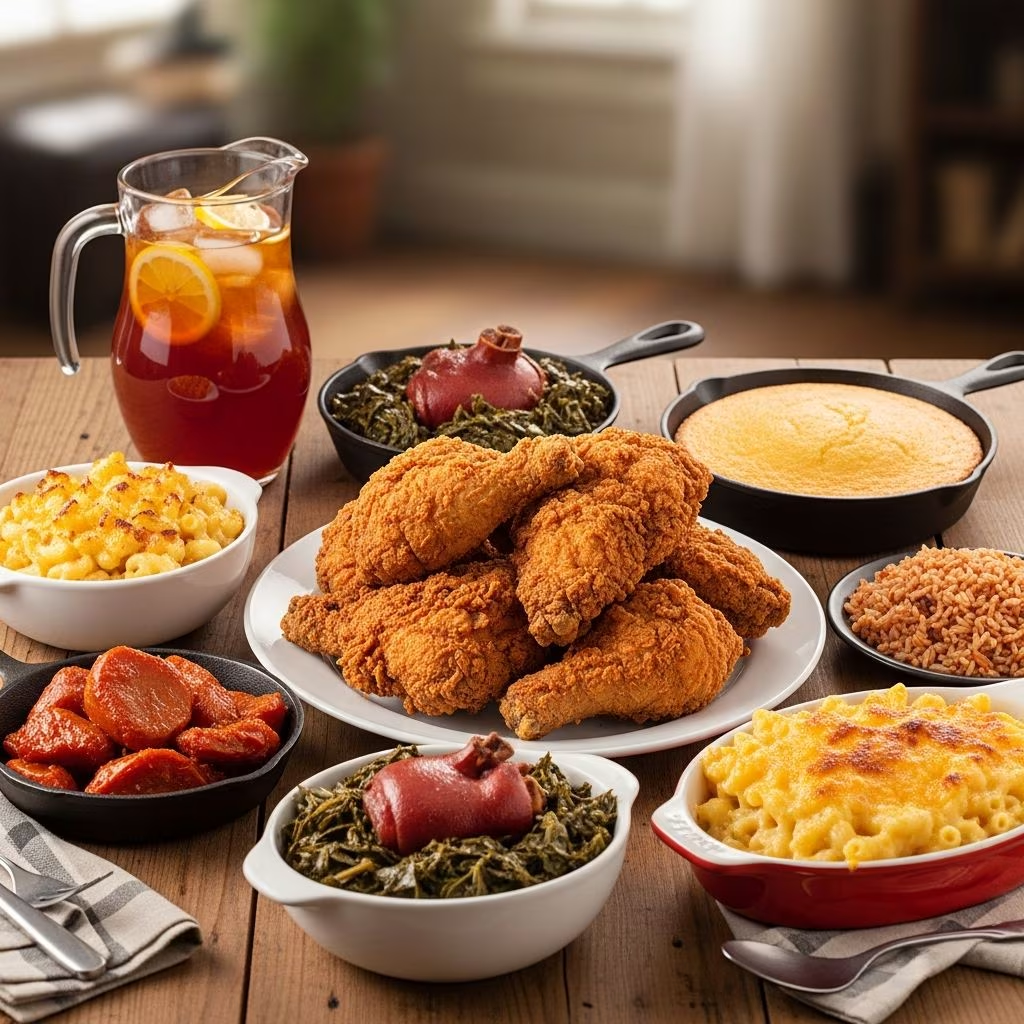
The menu at Bertha’s reflects the daily rhythms of traditional soul food dining, featuring rotating meat-and-three specials that showcase the restaurant’s mastery of fundamental Southern dishes. Signature preparations include fried chicken prepared using techniques that ensure meat remains tender while achieving optimal crispness, pork chops that exemplify proper seasoning and cooking temperature, and collard greens prepared with attention to balancing savory depth with subtle sweetness. These dishes represent the cornerstone of soul food cuisine, prepared consistently day after day to satisfy both regular patrons and visiting food enthusiasts.
Hannibal’s Kitchen represents another essential destination for authentic soul food experiences, distinguished by its rejection of unnecessary ambiance in favor of focusing entirely on culinary excellence. This establishment has built its reputation through signature dishes that demonstrate mastery of traditional Geechee-style cooking, a regional variation reflecting the cultural influences of Charleston’s Lowcountry heritage. The restaurant’s commitment to preparation quality extends across its entire menu, from fried shrimp and fish prepared to order, to distinctive rice dishes that showcase the region’s agricultural traditions.
Regional Variations and Culinary Traditions
Charleston’s soul food scene encompasses several distinct culinary traditions that collectively represent the region’s diverse gastronomic heritage. Understanding these variations provides insight into how different neighborhoods and communities have shaped the city’s overall food culture.
- Traditional Soul Food Preparation: Emphasizes time-honored cooking methods, generous use of regional proteins, and seasoning techniques passed through generations, prioritizing flavor development and texture excellence.
- Lowcountry Coastal Cooking: Incorporates fresh seafood as primary proteins, reflecting the region’s geographic proximity to Atlantic waters and featuring preparations that highlight ingredient quality.
- Geechee Culinary Traditions: Represents specific cultural cooking practices unique to Charleston’s heritage, incorporating rice-based dishes and preparation methods with deep historical roots.
- Contemporary Reinterpretations: Modern chefs apply traditional ingredients and techniques to innovative presentations, creating fusion approaches that honor classical foundations while exploring new flavor combinations.
Exploring Beyond Downtown: Neighborhood Dining Gems
While downtown Charleston attracts significant visitor traffic, authentic soul food experiences extend throughout the metropolitan area in neighborhoods that remain less visited by tourists. North Charleston, West Ashley, Mount Pleasant, and James Island each maintain distinctive culinary identities reflecting their communities’ preferences and cultural histories.
North Charleston establishments like Bertha’s Kitchen and My Three Sons represent family operations that have served their communities for years, building loyal patronage through consistent quality and genuine hospitality. These restaurants prioritize relationship-building with regular customers, often remembering individual preferences and accommodating specific requests. The dining experience emphasizes comfort and belonging rather than sophisticated presentation, creating environments where patrons feel welcomed as valued community members rather than transient customers.
West Ashley provides additional culinary opportunities, including casual establishments like Dave’s Carry-Out that deliver traditional preparations in unpretentious settings. These venues often operate with straightforward menus focused on specific specialties executed with precision, representing a business model that has sustained independent restaurants through decades of changing food trends. The pricing structure at neighborhood restaurants typically reflects ingredient costs and labor rather than location premium or brand prestige, making authentic soul food accessible to diverse economic communities.
Signature Dishes Defining Charleston Soul Food
| Signature Dish | Preparation Style | Cultural Significance |
|---|---|---|
| Fried Chicken | Seasoned, breaded, and deep-fried to golden crispness with tender meat | Fundamental soul food staple reflecting African American culinary traditions |
| Collard Greens | Slow-cooked with savory seasonings and balanced sweetness | Traditional preparation method highlighting vegetable preparation techniques |
| Shrimp and Grits | Fresh shrimp prepared fried or broiled, served over creamy corn grits | Lowcountry coastal tradition combining agricultural and maritime ingredients |
| She-Crab Soup | Rich broth incorporating crab meat and roe for distinctive flavor depth | Regional specialty reflecting Charleston’s seafood heritage and historical preparation |
| Red Rice | Rice cooked with tomatoes, bacon, and seasonings until cohesive | West African-influenced preparation method demonstrating cultural culinary fusion |
| Pork Chops | Seasoned and pan-fried to proper doneness with crust development | Traditional protein preparation reflecting agricultural availability and preservation methods |
Modern Approaches to Traditional Southern Cuisine
Contemporary Charleston restaurants have begun exploring how traditional Southern ingredients and techniques can inspire innovative culinary approaches. Husk represents this philosophy through its commitment to sourcing exclusively Southern ingredients while reinterpreting traditional preparations through modern culinary techniques. The establishment maintains foundational respect for regional ingredients and flavor profiles while introducing inventive presentations and flavor combinations that expand upon classical approaches.
This balanced approach acknowledges that culinary traditions remain living practices capable of evolution while maintaining cultural integrity. Chefs working within this framework understand that innovation requires deep knowledge of traditional techniques, enabling them to respectfully modify classical preparations while honoring their foundational purposes. The distinction between authentic reinterpretation and cultural appropriation rests on this foundation of genuine culinary knowledge and cultural respect.
Planning Your Charleston Soul Food Experience
Visitors seeking authentic soul food experiences benefit from approaching Charleston dining with intentionality and openness. Rather than consulting only highly publicized restaurant lists, genuine food enthusiasts should consider asking local residents for personal recommendations, recognizing that neighborhood establishments often remain undiscovered by guidebooks and restaurant review publications.
- Visit During Off-Peak Hours: Arriving during lunch periods or early dinner times provides opportunities to observe restaurant operations and engage with staff in less pressured environments, enabling more meaningful conversations about dishes and preparation methods.
- Embrace Unfamiliar Dishes: Soul food traditions include preparations that may appear unfamiliar to visitors from different culinary backgrounds. Approaching these offerings with curiosity rather than hesitation often leads to discovering new favorite dishes and deeper appreciation for regional traditions.
- Engage With Staff: Restaurant employees frequently possess detailed knowledge about ingredient sources, preparation techniques, and family recipes. Respectful conversations about menu items often enhance dining experiences while supporting the cultural transmission of culinary knowledge.
- Respect Operating Philosophies: Neighborhood restaurants often maintain operational practices reflecting cultural traditions rather than contemporary restaurant management trends. Understanding and respecting these differences enriches cross-cultural dining experiences.
The Economic and Cultural Importance of Neighborhood Restaurants
Soul food restaurants extending beyond downtown Charleston function as essential community institutions serving purposes that transcend simple food service. These establishments provide employment within neighborhoods, circulate capital within local communities, and maintain cultural traditions that might otherwise disappear amid broader economic and demographic changes. Supporting these restaurants represents an investment in cultural preservation and community economic stability.
The survival of authentic soul food establishments requires sustained patronage from both regular customers and visiting food enthusiasts who recognize their cultural and culinary significance. As Charleston continues attracting tourist investment and demographic change, these neighborhood institutions face pressures that threaten their long-term viability. Intentional support through regular visits and genuine appreciation helps ensure these essential cultural repositories remain available for future generations.
Frequently Asked Questions
What distinguishes soul food from general Southern cuisine?
Soul food encompasses specific culinary traditions developed within African American communities, emphasizing particular ingredients, preparation methods, and flavor profiles that reflect cultural history and available resources. While Southern cuisine encompasses broader regional cooking practices, soul food represents specific traditions with distinct historical and cultural significance.
Are reservations necessary at authentic soul food restaurants?
Many neighborhood establishments operate on a walk-in basis without formal reservation systems, though some popular restaurants benefit from advance notice during busy periods. Calling ahead ensures appropriate seating availability and allows staff to prepare for larger groups.
How can visitors distinguish authentic soul food restaurants from casual dining establishments?
Authentic soul food restaurants typically feature daily specials reflecting available ingredients, employ staff with deep knowledge of preparation methods, and maintain relationships with regular customers. These establishments prioritize consistent quality and cultural authenticity over contemporary presentation or trendy menu items.
What role do family recipes play in Charleston soul food traditions?
Family recipes represent the foundation of soul food preparation, passed through generations and modified based on ingredient availability and personal preference. These recipes encode cultural knowledge and memory, serving as tangible connections to family history and community heritage.
Conclusion: Experiencing Authentic Charleston Through Food
Charleston’s culinary reputation extends far beyond award-winning establishments and contemporary restaurants, encompassing neighborhood institutions that preserve generations of authentic Southern and soul food traditions. These establishments represent genuine cultural repositories, maintaining cooking methods and recipes that define what authentic Lowcountry cuisine represents. Visitors seeking to experience Charleston’s true gastronomic character benefit from venturing beyond downtown tourist districts to discover neighborhood restaurants where food serves purposes extending beyond simple sustenance. These establishments nourish communities while maintaining cultural practices that might otherwise disappear amid rapid economic and demographic change. Supporting these restaurants through intentional visits and genuine appreciation contributes to cultural preservation while enabling authentic culinary experiences that reveal Charleston’s true character through food.
References
- Where to Find Charleston’s Best Southern Cooking and Soul Food — AFAR. Accessed April 2026. https://www.afar.com/travel-tips/where-to-find-charlestons-best-southern-cooking-and-soul-food
- Best Soul Food in Charleston, SC | Top Spots to Savor — Palmetto Ford. Accessed April 2026. https://www.palmettoford.com/blogs/5028/best-soul-food-charleston-sc
- 9 Places Serving the Best Southern Food in Charleston — Traveling Tessie. Accessed April 2026. https://www.travelingtessie.com/allposts/best-southern-food-in-charleston
- Hannibal’s Kitchen – Feeding The Soul Of the City — Hannibal’s Kitchen. Accessed April 2026. http://hannibalkitchen.com
- Best Southern Restaurant in North Charleston SC | My Three Sons — My Three Sons of Charleston. Accessed April 2026. http://www.my3sonsofcharleston.com
On This Page
The Foundation of Charleston's Culinary Character Legendary Establishments Preserving Traditional Soul Food Regional Variations and Culinary Traditions Exploring Beyond Downtown: Neighborhood Dining Gems Signature Dishes Defining Charleston Soul Food Modern Approaches to Traditional Southern Cuisine Planning Your Charleston Soul Food Experience The Economic and Cultural Importance of Neighborhood Restaurants Frequently Asked Questions Conclusion: Experiencing Authentic Charleston Through Food← Previous
Best Foodie Road Trips from Charleston: Lowcountry Favorites
Next →
Best Historic Sites in Scotland: Castles, Stones & Battlefields
Related Reading
More in Food & Culture
Food & Culture Food & Culture
 Food & Culture
Best Places to Eat in Rome: Neighborhood Dining Guide
 Food & Culture
 Food & Culture