


 Food & Culture
Food & Culture
Authentic Madrid Food Culture: Where Locals Really Eat and Drink
Explore Madrid's vibrant food scene with insider tips on traditional dishes, neighborhood gems, and where locals truly eat beyond tourist hotspots.
 Food & Culture
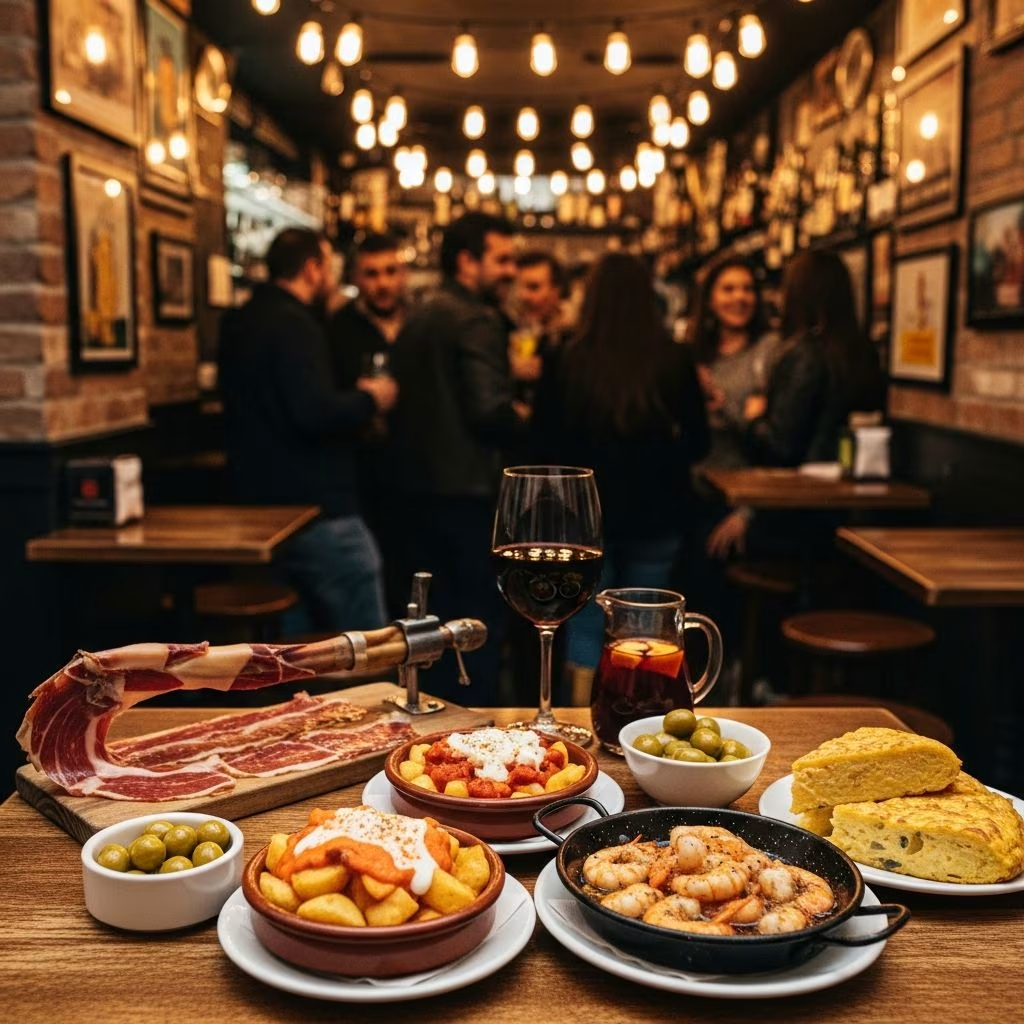
Madrid’s food culture represents far more than mere sustenance—it embodies the city’s social fabric, its rituals, and the deep connection between people and tradition. While many visitors follow well-worn tourist paths to famous plazas and chain restaurants, the true gastronomic heart of Madrid pulses through centuries-old tabernas, bustling neighborhood markets, and casual standing-room bars where locals gather daily. Understanding how madrileños eat requires moving beyond guidebook recommendations and embracing the authentic dining customs that define daily life in Spain’s capital.
The Art of Vermut: Madrid’s Sacred Aperitif Ritual
Few beverages carry as much cultural significance in Madrid as vermut, the fortified wine that serves as the cornerstone of the city’s social dining culture. This herbal, caramel-colored drink transcends simple refreshment—it represents a way of life, a moment to pause, and a bridge between strangers and friends alike. The ritual unfolds with precise simplicity: order a vermut de grifo (vermouth from the tap), receive it over ice with an orange slice, and pair it with olives and whatever free tapa the bar offers.
The Sunday vermut tradition deserves particular attention, as it shapes the entire weekend rhythm for countless madrileños. Following the Rastro flea market, neighborhoods flood with people seeking the nearest vermouth bar. By early afternoon, standing-room-only crowds pack beloved establishments, creating an electric atmosphere that no reservation system can replicate. This spontaneous gathering requires no advance planning—locals simply appear, order their drinks, and allow the afternoon to develop naturally. Bodegas Casas in Chueca stands out as a particularly authentic venue where vermut flows freely and debates over tortilla recipes flow equally generously. La Ardosa in Malasaña provides another classic experience, with its standing crowd typically reaching full capacity by 1 PM.
Understanding vermut’s place in Madrid dining culture opens doors to authentic social experiences. Rather than viewing it as a beverage to consume quickly and move on, locals embrace it as an anchor for longer social engagement, often stretching a single glass into an hour-long conversation with companions both familiar and newly met.
Beyond Calamares: Understanding Madrid’s Signature Dishes
Madrid’s traditional cuisine features several dishes that have become iconic representations of the city’s gastronomic identity. While certain dishes have achieved tourist fame, their authentic preparation and cultural context often remain misunderstood by casual visitors.
Calamares a la Romana (fried squid sandwiches) represent perhaps the most recognizable Madrid dish internationally. The Plaza Mayor surrounds its perimeter with vendor stands producing countless iterations of this fried delicacy. However, locals frequently bypass these tourist-oriented operations in favor of establishments like El Brillante near Atocha, where the squid achieves superior tenderness and the bread offers better quality. The proper technique involves batter-frying fresh calamari, stuffing it into a soft roll, and finishing it with fresh lemon juice. The authentic experience demands eating while standing, a practice that enhances both the flavor and the social atmosphere.
Callos, a tripe stew prepared with chorizo, morcilla (blood sausage), and paprika, separates true locals from casual tourists more effectively than almost any other traditional Madrid dish. The extended cooking process transforms the typically challenging ingredient into something tender and deeply flavored, with the sauce achieving a distinctive brick-red hue. Though traditionally a winter specialty, dedicated establishments serve callos year-round. Casa Luciano in Lavapiés and various old-school tabernas throughout La Latina maintain this tradition faithfully.
Spanish tortilla, the ubiquitous potato and egg dish found throughout the country, holds particular importance in Madrid’s dining culture. Rather than viewing it as a simple side dish, many establishments feature tortilla prominently on their menus, acknowledging its role as a substantial, satisfying element worthy of standalone appreciation.
The Renaissance of Madrid’s Market Culture
Madrid’s indoor food markets, known as mercados, represent transformed urban spaces that now showcase some of the city’s most innovative and diverse culinary offerings. These historic markets faced existential threats during the 1990s as supermarket chains expanded throughout the city. Rather than disappearing, visionary entrepreneurs recognized their potential and implemented comprehensive renovations that preserved market character while introducing contemporary dining concepts.
Mercado de Anton Martin stands out as a premier destination, particularly for its pioneering sushi establishment Yokaloka, which introduced high-quality Japanese cuisine to Madrid’s traditional market setting. Across the city, Mercado de Maravillas in Tetuan houses L’Affineur de Fromage, a French cheese counter that has become legendary among food enthusiasts for its selection of artisanal cheeses and exceptional salted butter sold by weight.
These revitalized markets function as more than mere food courts. They operate as dynamic social spaces where prepared food stations, wine bars, and full-service restaurants coexist within a unified architecture that encourages exploration and spontaneous discovery. The market experience appeals particularly to locals seeking quality ingredients, affordable dining, and community atmosphere—three elements that define authentic Madrid food culture.
Neighborhood Dining: Where Locals Actually Eat
Understanding Madrid’s authentic food scene requires moving beyond individual dish names and instead exploring neighborhood dining patterns. Each district cultivates its own character, traditions, and favored establishments that define local eating habits.
La Latina: Historic Charm and Timeless Traditions
La Latina, Madrid’s oldest neighborhood, preserves centuries-old dining traditions through its dense network of small bars and tabernas. These establishments typically feature simple interiors with tiled walls, worn wooden counters, and menus that have changed little across generations. The neighborhood’s narrow, winding streets create an atmosphere fundamentally different from modern commercial areas, encouraging slower pace and extended social interaction. Taberna Almería specializes in tostas (toasted bread with various toppings), serving what many consider the neighborhood’s finest examples. The casual environment attracts primarily younger crowds who appreciate both the food quality and the authentic neighborhood vibe.
Chueca and Malasaña: Contemporary Energy with Traditional Roots
Chueca and Malasaña represent different expressions of Madrid’s contemporary dining culture while maintaining deep connections to traditional practices. Both neighborhoods blend old-school vermut bars with newer wine establishments, creating dynamic environments where vintage and modern coexist comfortably. The vibrancy skews younger than La Latina, with less formal presentation but maintained authenticity. Bodegas Casas continues to thrive in Chueca despite gentrification pressures, while La Ardosa in Malasaña maintains its standing-room-only crowds through consistent quality and respected traditions.
Specialized Dining Districts
Madrid’s wine culture finds particular expression in dedicated establishments throughout Chueca and Malasaña, where excellent sherry bars showcase the often-overlooked pairing of dry sherries with jamón ibérico de bellota and cured meats. Traditional tabernas throughout the city continue pouring decent Rioja by the glass without ceremony, maintaining wine service traditions that predate contemporary wine bar culture.
Emerging Dining Trends: Contemporary Meets Traditional
While tradition forms Madrid’s gastronomic foundation, the city simultaneously embraces culinary innovation that respects rather than dismisses established practices. Several contemporary dining movements have gained particular prominence among locals seeking new experiences while valuing sustainability and quality.
Brunch culture has experienced explosive growth, transforming weekend dining patterns for many madrileños. Carmencita established itself as the pioneering brunch destination in the Conde Duque area, offering exceptional preparations of eggs benedict and huevos rancheros alongside quality coffee and mimosas. Federal Café in Plaza del Conde de Barajas attracts crowds seeking to combine vibrant atmosphere with perfectly executed scrambled eggs, toast, bacon, and avocado. These establishments cater to locals seeking weekend social experiences different from traditional vermut culture but equally rooted in social gathering.
Coffee culture has simultaneously developed sophistication and accessibility. Bona Specialty Coffee in La Latina offers cozy intimacy within a compact space, pairing excellent coffee with Argentine medialunas (croissants) beside a restored 12th-century wall. Slow Café Madrid near the Basilica de San Francisco El Grande provides mismatched furniture and a digital nomad section, creating spaces where work and leisure blend naturally.
Michelin recognition has arrived in Madrid through establishments like Trèsde on Cava Alta in La Latina, which combines seasonal menus sourced from certified sustainable producers with expert wine pairings from local bodegas. This recognition validates local dining while introducing international prestige that brings new customers without fundamentally altering the neighborhood atmosphere.
Strategic Dining Guide: Recommended Establishments by Category
| Category | Establishment | Location | Specialty |
|---|---|---|---|
| Vermut Bars | Bodegas Casas | Chueca | Traditional vermut, debates, standing crowd |
| Vermut Bars | La Ardosa | Malasaña | Tap vermouth, standing scene by 1 PM |
| Mushroom Specialties | La Cerveceria Cervantes | Plaza de Jesus | Garlic mushrooms, free tapas with drinks |
| Toasted Bread | Taberna Almería | La Latina | Tostas with various toppings |
| Northern Spanish | El Cogollo de la Descarga | Near Plaza Mayor | Grilled octopus, fabada |
| Andalusian | Sanlúcar | La Latina area | Sherry wines, Iberian pork, cuttlefish |
| Markets | Mercado de Anton Martin | Central Madrid | Diverse international options, sushi |
| Brunch | Federal Café | Plaza del Conde de Barajas | Scrambled eggs, bacon, avocado |
| Coffee | Bona Specialty Coffee | La Latina | Quality coffee, medialunas |
| Contemporary | Trèsde | Cava Alta, La Latina | Seasonal menu, wine pairings, Michelin |
Understanding Eating Customs and Social Rituals
Madrid’s dining culture emphasizes social engagement and extended time spent in eating spaces far more than consumption speed or meal completion. The standing-only bar represents the quintessential Madrid eating experience—quick in execution but extended in duration through conversation and social interaction. Even when seating becomes available, many locals opt to stand, recognizing that the bar’s social dynamics intensify through standing proximity.
Free tapas accompanying every drink order represent not mere complimentary offerings but essential components of the dining contract. This practice, deeply rooted in Madrid tradition, transforms simple aperitifs into mini-meals and encourages customers to linger longer. The quality and generosity of these tapas often determines bar loyalty, with preferred establishments becoming gathering places precisely because their free offerings demonstrate respect for customer patronage.
Timing profoundly shapes Madrid dining experiences. Vermut consumption follows specific temporal patterns—pre-lunch drinks around noon, post-market gatherings in early afternoon, evening aperitifs before dinner. Understanding these rhythms allows visitors to experience Madrid dining as madrileños do, rather than as tourists squeezing meals into rigid tour schedules.
Practical Recommendations for Authentic Madrid Dining
- Embrace standing-room eating: Rather than seeking table seating, join the standing crowd at bars. This positioning enhances social engagement and represents authentic Madrid practice.
- Visit mercados during off-peak hours: Experience markets during mid-afternoon rather than typical meal times to observe market culture more fully and navigate more easily.
- Follow weekend vermut traditions: Participate in Sunday post-Rastro market vermut culture by arriving at neighborhood bars mid-afternoon and allowing the experience to unfold naturally.
- Prioritize neighborhood exploration over landmark dining: Discover dining by exploring individual neighborhoods rather than visiting only famous locations mentioned in guidebooks.
- Order house specialties rather than tourist recommendations: Ask bar staff what locals order that day, rather than requesting famous dishes that may attract primarily tourists.
- Allow extended time for meals: Plan significantly more time than meal consumption would suggest, accounting for social interaction and Spanish dining pace.
Frequently Asked Questions About Madrid Dining
What distinguishes Madrid’s food culture from other Spanish regions?
Madrid’s cuisine emphasizes social ritual and aperitif culture more prominently than many regions. While coastal areas focus heavily on seafood and regional specialties, Madrid developed its identity around creating gathering spaces and extending social time through food and drink consumption patterns.
When should visitors experience vermut culture authentically?
Sunday afternoons following the Rastro market represent the peak authentic vermut experience. Arriving around 1 PM captures the standing-room crowds and neighborhood energy that define this ritual. However, vermut bars operate daily, allowing engagement with this tradition throughout the week at any hour between late morning and early evening.
Are reservations necessary for authentic Madrid dining?
Traditional tapas bars and vermut establishments operate on walk-in bases and rarely accept reservations. Contemporary restaurants and Michelin-recognized establishments require advance booking. Most authentic Madrid dining experiences occur through spontaneous arrival rather than planned reservation.
How do visitors distinguish tourist traps from authentic local establishments?
Observe patron composition—predominantly local crowds indicate authentic venues. Menus displayed prominently in multiple languages often signal tourist orientation. Establishments with standing-room bars and changing daily specials typically attract locals. Price points significantly lower than nearby tourist areas suggest authenticity.
What constitutes appropriate dining attire in Madrid?
Casual, comfortable clothing suits most Madrid dining experiences. Even Michelin-recognized restaurants maintain relatively relaxed dress codes. Standing at bars requires practical shoes. Smart casual represents the upper boundary for most establishments.
References
- What To Eat In Madrid: A Local Host’s No-Nonsense Guide — City Unscripted. 2024. https://www.cityunscripted.com/travel-magazine/madrid-what-to-eat
- Madrid Food Guide: Where the Locals Eat — Compass & Fork. 2024. https://compassandfork.com/madrid-food-guide-where-the-locals-eat/
- Where to Eat in Madrid in 2025: The Ultimate Food Guide — Spanish Sabores. 2025. https://spanishsabores.com/madrid-gastro-guide-where-to-eat-in-madrid/
- Local Flavor: where to eat and drink in Madrid — Lonely Planet. 2024. https://www.lonelyplanet.com/articles/local-flavor-where-to-eat-and-drink-in-madrid
On This Page
The Art of Vermut: Madrid's Sacred Aperitif Ritual Beyond Calamares: Understanding Madrid's Signature Dishes The Renaissance of Madrid's Market Culture Neighborhood Dining: Where Locals Actually Eat Emerging Dining Trends: Contemporary Meets Traditional Strategic Dining Guide: Recommended Establishments by Category Understanding Eating Customs and Social Rituals Practical Recommendations for Authentic Madrid Dining Frequently Asked Questions About Madrid Dining← Previous
Best Time to Visit Montana: Seasons, Weather & Travel Tips
Next →
Best Hikes in Wyoming: Top Trails in Grand Teton, Yellowstone & the Winds
Related Reading
More in Food & Culture
Food & Culture Food & Culture
 Food & Culture
Best Places to Eat in Rome: Neighborhood Dining Guide
 Food & Culture
 Food & Culture