

 Travel Essentials
 Travel Essentials

A comprehensive guide to the Avalon Peninsula featuring hiking trails, wildlife viewing, historic sites, and cultural experiences in Newfoundland's most visited region.
 Travel Essentials
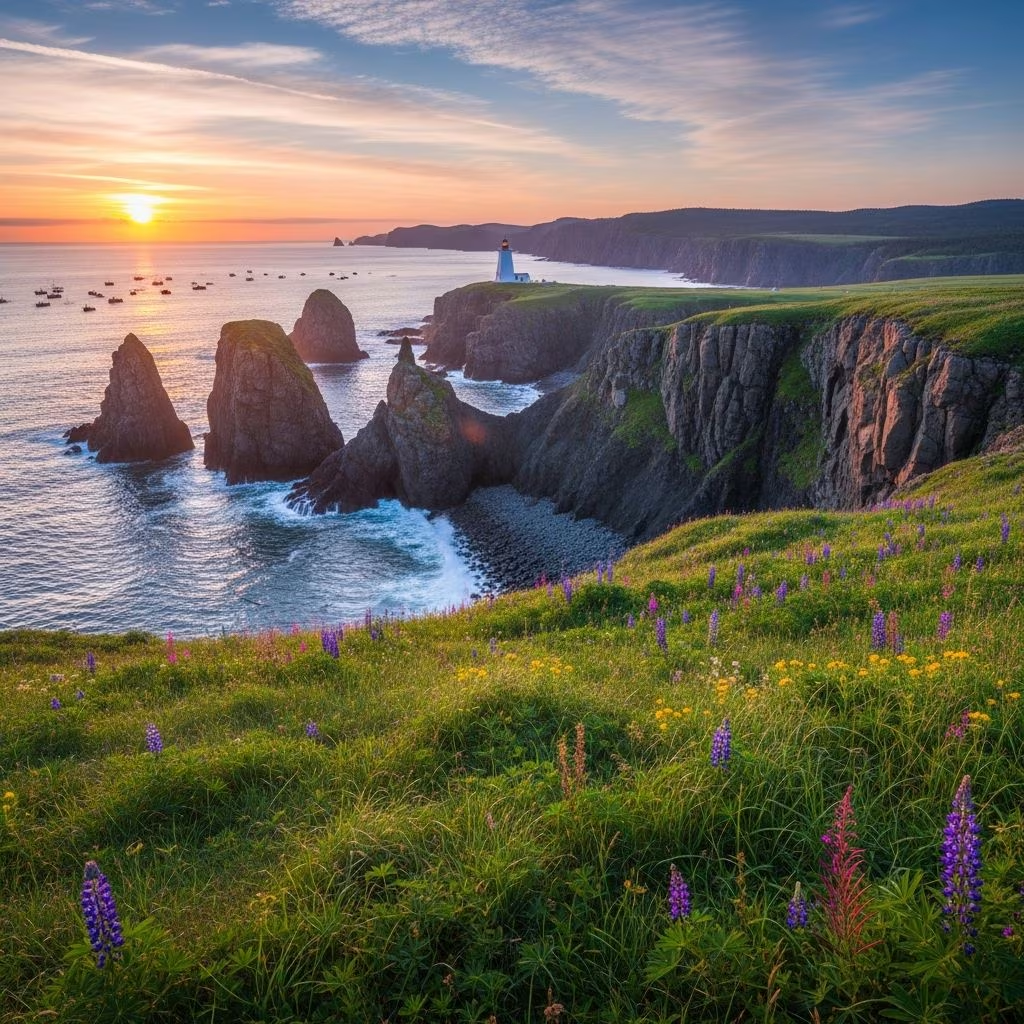
The Avalon Peninsula stands as one of North America’s most distinctive travel destinations, representing a convergence of natural splendor, rich maritime heritage, and vibrant contemporary culture. This roughly rectangular landmass, jutting into the Atlantic Ocean and connected to mainland Newfoundland by a narrow isthmus, encompasses far more than its modest geographic footprint suggests. Home to Canada’s most easterly point and the historic capital of St. John’s, the Avalon Peninsula draws visitors seeking authentic experiences beyond typical tourist circuits.
What makes this region particularly compelling is its layered identity. It functions simultaneously as an urban center, a wilderness preserve, a living history museum, and an adventure destination. The cultural distinctiveness of Newfoundland permeates every aspect of the Avalon experience, from the local dialect to the centuries-old traditions that shape daily life in coastal communities. For travelers willing to venture beyond their comfort zones, the peninsula offers profound connections to place, history, and the enduring human relationship with the sea.
The Avalon Peninsula’s distinctive shape—divided into four pronounced arms with indented bays and protected harbors—reflects millions of years of geological activity. This topography directly influenced settlement patterns, cultural development, and economic activities throughout the region’s history. The peninsula’s position as Canada’s easternmost point, marked by Cape Spear, positions it quite literally at the continent’s threshold to the Atlantic.
The landscape encompasses multiple ecological zones, from rocky headlands to sheltered coastal valleys. Elevations vary dramatically within short distances, creating diverse habitats for wildlife while presenting scenic vistas at nearly every turn. The dramatic interplay between land and sea shapes not only the physical environment but also the psychological orientation of residents and visitors alike. Weather patterns, influenced by Atlantic currents and marine systems, create frequently changing conditions that visitors should anticipate and prepare for throughout their journeys.
The region’s climate oscillates between extremes, with particular attention required during transition seasons. Fog can materialize suddenly even during summer months, reducing visibility and affecting both hiking conditions and marine activities. Winter brings significant snowfall and wind, generally limiting tourism but offering unique experiences for those equipped to handle severe weather.
As the peninsula’s primary urban center and Newfoundland’s provincial capital, St. John’s functions as both a practical hub and a destination in its own right. This 500-year-old city has evolved from a fishing settlement into a dynamic urban environment while maintaining strong connections to its maritime roots. The city’s downtown core presents a fascinating blend of historic architecture, contemporary commerce, cultural institutions, and entertainment venues.
The urban landscape reflects centuries of development, with colorful row houses stacked on steep hillsides, creating a distinctive aesthetic recognized worldwide. Major attractions including Signal Hill National Historic Site, The Rooms cultural center, and the Cape Spear Lighthouse National Historic Site provide structured entry points into regional history and culture. The city’s entertainment districts, particularly George Street with its concentration of bars and live music venues, offer immersive experiences of Newfoundland’s celebrated social traditions.
Visitors based in St. John’s enjoy convenient access to both urban amenities and natural attractions. The downtown area remains eminently walkable, with galleries, specialty shops, restaurants featuring local ingredients and preparations, and cultural venues within reasonable distances. For those planning extended stays on the peninsula, St. John’s provides essential services, diverse accommodations, and restaurants spanning from casual establishments to fine dining experiences.
The East Coast Trail represents one of North America’s most significant long-distance hiking systems, comprising more than 500 kilometers of established and developing pathways that trace the peninsula’s dramatic shorelines. This ambitious network connects fishing villages, provincial parks, national historic sites, and ecological reserves through routes that challenge and reward hikers in equal measure.
The completed sections stretch 265 kilometers from Cape St Francis to Cappahayden, with an additional 275 kilometers in various stages of development extending northward toward Topsail, southward to Trepassey, and westward across to Placentia. This linear trail structure requires careful planning for day hikers, typically necessitating vehicle coordination or taxi arrangements. However, the infrastructure supporting the trail—including accommodations and pickup services—has developed considerably, making multi-day explorations increasingly accessible.
Notable Trail Segments:
Trail conditions demand respect and preparation. Sturdy, waterproof footwear becomes essential regardless of season, while weather-appropriate layering helps manage the Atlantic’s temperamental conditions. The trail’s proximity to the ocean means weather can shift rapidly, sometimes catching unprepared hikers off guard. Local hiking associations provide free group excursions and detailed planning advice for those unfamiliar with the routes.
The Avalon Peninsula’s coastal waters support remarkable concentrations of marine fauna, attracting visitors specifically interested in observing whales, seabirds, and other oceanic species. Thousands of whales—including humpbacks, orcas, minke whales, and other cetacean species—undertake annual migrations through the region’s waters. These marine giants represent perhaps the most dramatic expression of the peninsula’s role as a critical habitat corridor.
Whale watching opportunities manifest through multiple delivery mechanisms. Shore-based observation from designated viewing areas like Witless Bay, Cape Spear, and St. Vincent’s Beach requires no equipment beyond binoculars and patience. Boat tours departing from St. John’s harbor and other launching points provide closer encounters, though with variable success depending on seasonal timing and luck. More adventurous visitors pursue sea kayaking expeditions positioning paddlers at the marine mammal’s own scale, while diving operations cater to those willing to enter the water environment directly.
Seabird Spectacles:
Beyond cetaceans, the peninsula supports extraordinary concentrations of nesting seabirds, particularly during breeding seasons. Cape St. Mary’s Ecological Reserve functions as one of the continent’s most impressive seabird colonies, while Bird Rock’s 90-meter height hosts the principal gannet colony visible from accessible hiking routes. The 1.4-kilometer walk from the parking area to Bird Rock encompasses approximately 20 minutes of moderate hiking, rewarding visitors with close-range observations of thousands of breeding seabirds.
The sight of these colonies—with their cacophony of calls, pungent aromas, and thousands of birds wheeling above the rocks—creates visceral connections to natural processes often invisible in urban contexts. The seabirds’ seasonal presence ties directly to marine productivity, making their colonies indicators of oceanic health and ecosystem function.
The Avalon Peninsula’s history extends back centuries, with multiple layers of human occupation creating rich archaeological and cultural landscapes. The remains of early European settlement efforts dot the region, with actively excavated sites providing windows into colonial-era life and the intersection of indigenous and settler societies.
Cupids Legacy Centre preserves artifacts and interpretive materials from Guy’s Plantation, an early settlement whose archaeological investigation continues to yield new discoveries. The center’s collection of over 150,000 artifacts—including silver coins, pottery shards, and domestic implements—illustrates material dimensions of colonial life often invisible in textual historical records. For visitors interested in deeper engagement with these histories, the Burnt Head Trail offers both physical challenge and historical immersion, passing through former agricultural lands and offering panoramic coastal vistas that connected settlers to the sea-based economies supporting survival.
This archaeological work represents more than academic exercise. The physical landscapes visitors traverse remain shaped by centuries of human activity—stone walls still border coastal terraces, place names preserve linguistic and cultural memories, and the distribution of settlements reflects resource availability and strategic maritime positioning. Understanding these layered histories enriches contemporary travel experiences and contextualizes the ongoing cultural practices observed in surviving communities.
Beyond the primary hiking and wildlife viewing circuits, the peninsula supports numerous distinctive experiences reflecting regional character and entrepreneurial innovation. Lighthouse Picnics at Ferryland Head represents one particularly inventive attraction, combining scenic coastal settings with intimate dining experiences. Operating seasonally from June through September, these picnics require visitors to undertake a 25-minute walk to the lighthouse, incorporating stunning harbor views and island perspectives into the dining experience itself.
Castle Hill provides panoramic perspectives across Placentia Bay, while the Irish Loop connects communities with particularly strong Irish heritage—a cultural legacy persisting in place names, settlement patterns, and contemporary cultural practices. Heart’s Content preserves a historic cable station representing the region’s role in early transatlantic communication networks. These sites collectively illustrate how technological advancement, cultural identity, and geographic location interweave throughout the region’s development.
Seasonal Planning:
The Avalon Peninsula’s climate and seasonal character significantly affect travel experiences. Summer months (June through September) offer optimal conditions for most activities, with longer daylight hours, more moderate temperatures, and generally more reliable weather patterns. However, unpredictability remains the only reliable forecast characteristic. Shoulder seasons (May and October) present fewer tourists and distinctive atmospheric qualities, though weather becomes increasingly variable.
Transportation and Logistics:
Most visitors arrive via St. John’s International Airport, making car rental a practical necessity for exploring the peninsula. The linear nature of many attractions necessitates thoughtful route planning. St. John’s serves as both a convenient base and a destination justifying several days of independent exploration. For hiking trail access, multiple strategies exist: arranging pick-up services through trail associations, employing taxi coordination, or positioning vehicles strategically at trailheads.
Accommodation Options:
Lodging ranges from downtown St. John’s hotels offering urban comfort to intimate bed-and-breakfast establishments in smaller communities, rustic cottages with panoramic views, and camping facilities with varying amenities. Each accommodation type offers distinctive experiences—urban hotels provide convenient access to restaurants and entertainment, while rural lodgings facilitate earlier starts on trail systems and deeper immersion in maritime community life.
What is the best time to visit the Avalon Peninsula?
Summer months from June through September offer optimal weather conditions and the highest probability of successful outdoor activities. Peak tourist season coincides with school holidays in July and August. Shoulder seasons present fewer crowds but less predictable conditions.
How should visitors prepare for the variable weather?
Layered clothing accommodating sudden temperature shifts, waterproof outerwear, and sturdy footwear form essential packing components. Even during summer, fog can materialize unexpectedly, requiring visibility management for driving and hiking. Checking weather forecasts immediately before activities helps optimize equipment choices.
What wildlife viewing opportunities exist for non-hikers?
Shore-based whale watching from designated locations requires no special equipment. Boat tours accommodating various fitness levels provide marine mammal encounters. Seabird colonies at Cape St. Mary’s involve minimal hiking beyond parking areas, making them accessible to visitors with limited mobility.
How much time should visitors allocate for peninsula exploration?
Three to four days allows sampling of major attractions—St. John’s attractions, at least one significant hiking expedition, and either whale watching or seabird viewing. Extended stays facilitate deeper engagement with communities, additional trail systems, and less rushed pacing.
The Avalon Peninsula represents something increasingly rare in heavily developed North America—a region where nature, history, and vibrant human culture coexist without requiring compromises between authenticity and visitor comfort. This balance emerges not from deliberate preservation efforts alone, but from the ongoing reality that this peninsula remains fundamentally tied to maritime processes, seasonal rhythms, and historical narratives that continue shaping contemporary life.
Visitors who venture beyond surface-level tourism discover why residents maintain such pronounced attachment to this particular geography. The intersection of land and sea, the persistence of traditional maritime cultures alongside contemporary development, and the landscape’s capacity to humble and inspire create powerful travel experiences extending well beyond typical tourist encounters. The Avalon Peninsula ultimately offers transformation—subtle but significant—for those willing to slow their pace and genuinely engage with place.
