

 Travel Essentials
 Travel Essentials

Discover Aveiro, the Venice of Portugal. Learn about moliceiro boats, Art Nouveau architecture, local cuisine, and the best times to visit this charming canal-side destination.
 Travel Essentials
Nestled along Portugal’s northern coast, Aveiro stands as one of the nation’s most captivating destinations. Often compared to Venice due to its distinctive waterway system, this enchanting city combines historic charm, vibrant culture, and natural beauty into a package that appeals to travelers of all types. Whether you’re seeking a brief escape from nearby Porto, planning a extended stay, or making Aveiro your primary destination, understanding what the city offers helps you make the most of your visit.
Aveiro’s unique character stems from its relationship with water. The city sits adjacent to the Ria de Aveiro, a vast estuary and lagoon system that has shaped both its history and present-day identity. This waterscape creates a landscape fundamentally different from typical Portuguese cities, with canals weaving through neighborhoods and the distinctive salty-water environment influencing everything from local cuisine to architectural styles.
The city earned its “Venice of Portugal” designation not through identical features to its Italian counterpart, but through its own distinctive charm. Unlike Venice’s grand scale, Aveiro presents a more intimate, accessible experience. The compact nature of the city center means visitors can traverse major attractions on foot without exhaustion, making it particularly suitable for those seeking a relaxed pace during their travels.
The heart of Aveiro rewards spontaneous exploration. The flat terrain and walkable distances make pedestrian navigation straightforward and pleasurable. As you wander through the central districts, you’ll encounter:
This bridge represents a modern evolution of the “love locks” tradition seen elsewhere in Europe, offering visitors a meaningful way to connect their visit to the city. The practice creates a visual tapestry of colorful ribbons that itself becomes an attraction.
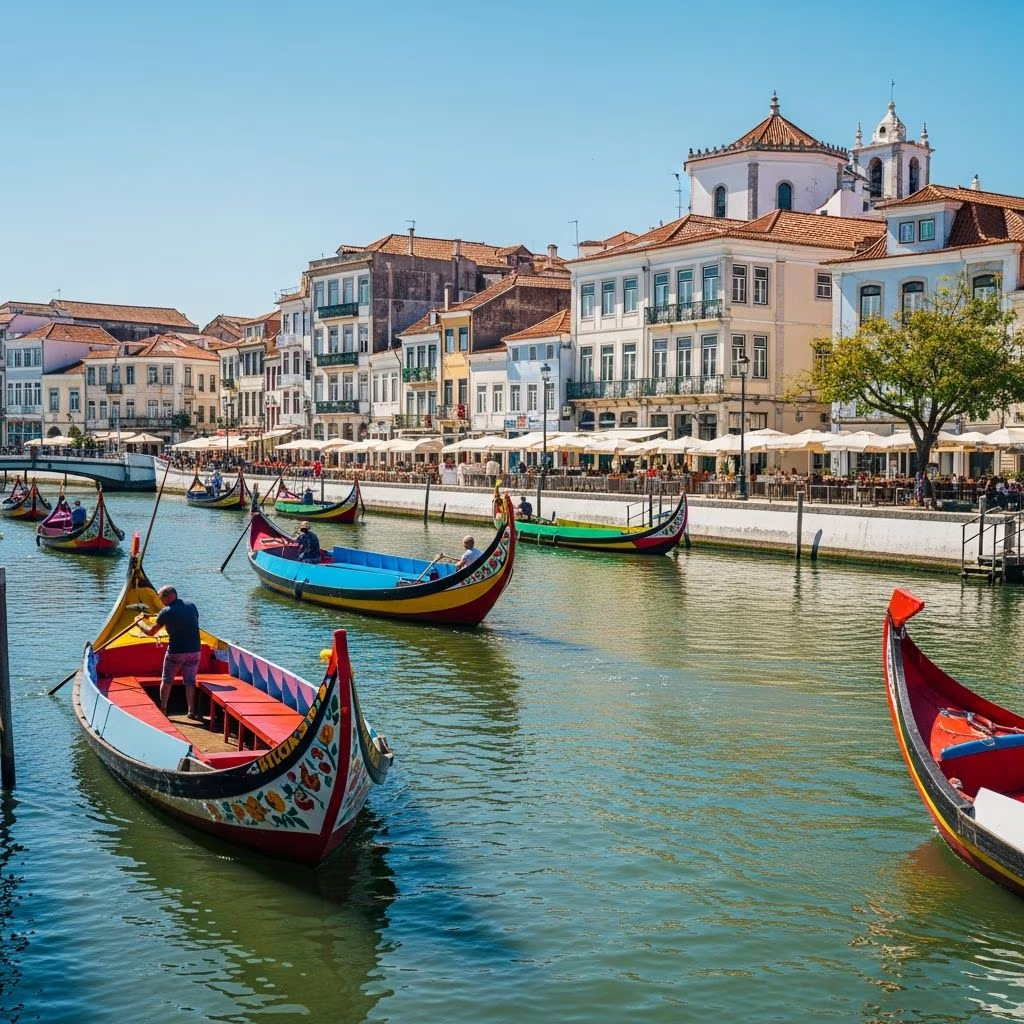
No visit to Aveiro feels complete without experiencing the traditional moliceiro boats. These long, narrow vessels painted in vibrant colors dominate the city’s visual identity and provide the most authentic way to experience Aveiro’s relationship with water.
Historical Context
The moliceiro boats originated in the 19th century as functional fishing vessels. Fishermen designed these craft specifically to harvest moliço—aquatic plants used as natural fertilizer for agricultural fields. The boats’ distinctive high prows and narrow profiles made them ideally suited for navigating shallow lagoon waters. As modern agricultural practices eliminated the need for this traditional seaweed collection, the boats transformed from working vessels into cultural ambassadors and tourist attractions.
Modern Moliceiro Tours
Today’s moliceiro experience combines leisure with historical education. Tours typically last approximately 45 minutes and cost around €15 per person. Visitors encounter various tour styles depending on their chosen operator. Some tours maintain a quiet, contemplative atmosphere ideal for photography and personal reflection. Others feature local guides sharing historical anecdotes, playing traditional music, and incorporating humor into the experience.
For those wanting to combine multiple experiences, half-day tours linking Aveiro with nearby Costa Nova often integrate the boat ride with a walking tour of the city center and a visit to the picturesque coastal village. Tickets can be purchased directly at the boat docks, providing flexibility for spontaneous travelers.
Aveiro’s buildings tell a story of early 20th-century Portuguese design sensibility. The Art Nouveau movement left an indelible mark on the city’s aesthetic, with numerous structures displaying the characteristic curved lines, decorative tilework, and ornamental details of the period.
The Cathedral of Aveiro (Sé Cathedral) stands as a particularly significant structure within this architectural landscape. Founded in 1423 as a Dominican convent before becoming a cathedral, the building has earned designation as a Portuguese National Monument. The interior reveals exceptional religious artistry, particularly the gilt work throughout the church, creating an atmosphere of profound spiritual significance alongside architectural importance.
Walking through residential neighborhoods reveals countless examples of smaller-scale Art Nouveau design—façades decorated with hand-painted tiles, wrought iron balconies, and carved stone detailing that demonstrates how thoroughly the movement influenced the city’s character.
The Aveiro Museum occupies the historic Convent of Jesus, formerly home to a Female Dominican Order community. This setting adds another layer of significance to the collections housed within. The museum allows visitors to explore artistic, religious, and social history while experiencing the architectural environment where these items originated and held meaning for past inhabitants.
Praça da República serves as a civic gathering point, anchored by the Igreja da Misericórdia (Church of Mercy) and featuring visual dominance through statuary and the presence of both the District Council and a local theater. This central square encapsulates the intersection of civic, religious, and cultural life in the city.
The Passadiços de Aveiro boardwalk extends eight kilometers along and above the lagoon environment, providing intimate access to one of Portugal’s most biodiverse aquatic ecosystems. This wooden walkway serves multiple recreation functions—peaceful walking, cycling, and wildlife observation all occur along this corridor.
The Ria de Aveiro itself represents a complex ecological zone where four rivers meet, creating unique conditions for biodiversity. Visitors may observe herons, storks, flamingos, and numerous other bird species while the waters below host oyster and clam populations. Sunset viewing from the boardwalk has earned particular appreciation among visitors seeking natural beauty combined with recreational activity.
For more intensive ecological engagement, specialized tour operators offer alternatives. Sterna operates solar-powered boats designed for silent observation of bird populations, while other companies provide oyster farm visits with tastings. Cycling represents another popular mode of exploration—the Aveiro City Council provides free bicycles (“BUGA” program) for residents and visitors.
Aveiro’s food culture reflects both its location and history. Ovos moles (soft eggs) represent the most iconic local delicacy—a confection combining egg yolks and sugar into distinctive rolled wafers often filled with additional sweetmeats. These treats have become so associated with Aveiro that purchasing them as gifts has become standard practice for departing visitors.
The city’s position between lagoon and ocean ensures fresh seafood features prominently in restaurant offerings. Riverside cafés provide atmospheric settings for sampling local preparations while observing canal life. Markets offer opportunities to purchase regional ingredients and observe how locals select provisions.
Timing significantly influences the Aveiro experience. Spring and early autumn represent optimal visiting seasons—these periods offer warm weather suitable for canal tours, beach activities, and extended waterfront walks while avoiding the intensive summer crowds.
Winter visitation remains possible but presents less favorable conditions for outdoor activities. Summer months attract substantial tourist volume, which can impact the peaceful atmosphere that partially defines Aveiro’s appeal.
Reaching Aveiro from nearby major cities proves straightforward. Train connections link the city to Porto (approximately one hour travel time from São Bento station) and Coimbra (just under one hour). This accessibility makes Aveiro particularly suitable for day trips from either location.
Organized day tours from Porto and Coimbra provide structured alternatives for visitors without personal transportation. These tours typically incorporate major attractions and transportation in a comprehensive package suited to time-constrained travelers.
| Transportation Option | Duration | Notes |
|---|---|---|
| Train from Porto | ~1 hour | Departs from São Bento station |
| Train from Coimbra | <1 hour | Direct service available |
| Organized day tour | Varies | Includes transportation and guided experiences |
Half-Day Visit
Visitors with limited time can focus on the city center walking tour combined with a single moliceiro boat ride. This provides the essential Aveiro experience while accommodating time constraints.
Full-Day Exploration
A complete day allows for canal touring, architectural appreciation, museum visits, and meals at leisure. The combination of water-based activities with land-based exploration captures Aveiro’s dual character.
Extended Stay
Multi-day visits enable deeper engagement with natural areas, visits to nearby Costa Nova, and the freedom to experience the city at varying times of day, including memorable sunset viewing from the boardwalk.
The city’s modest size and flat terrain create a naturally accessible environment for visitors with varying mobility levels. Tourist information services provide maps and guidance in multiple languages. Restaurant menus increasingly feature English translations alongside Portuguese options.
Accommodation options range from budget-conscious hostels to upscale hotels, with many establishments positioned along or near the canals for maximum ambiance. Advance booking during peak seasons (spring and early autumn) ensures better selection and rates.
