

 Travel Essentials
 Travel Essentials

Discover efficient ways to traverse the Azores' nine islands: rent cars for freedom, catch inter-island ferries, or fly between spots. Tips for buses, tours, and sustainable travel included.
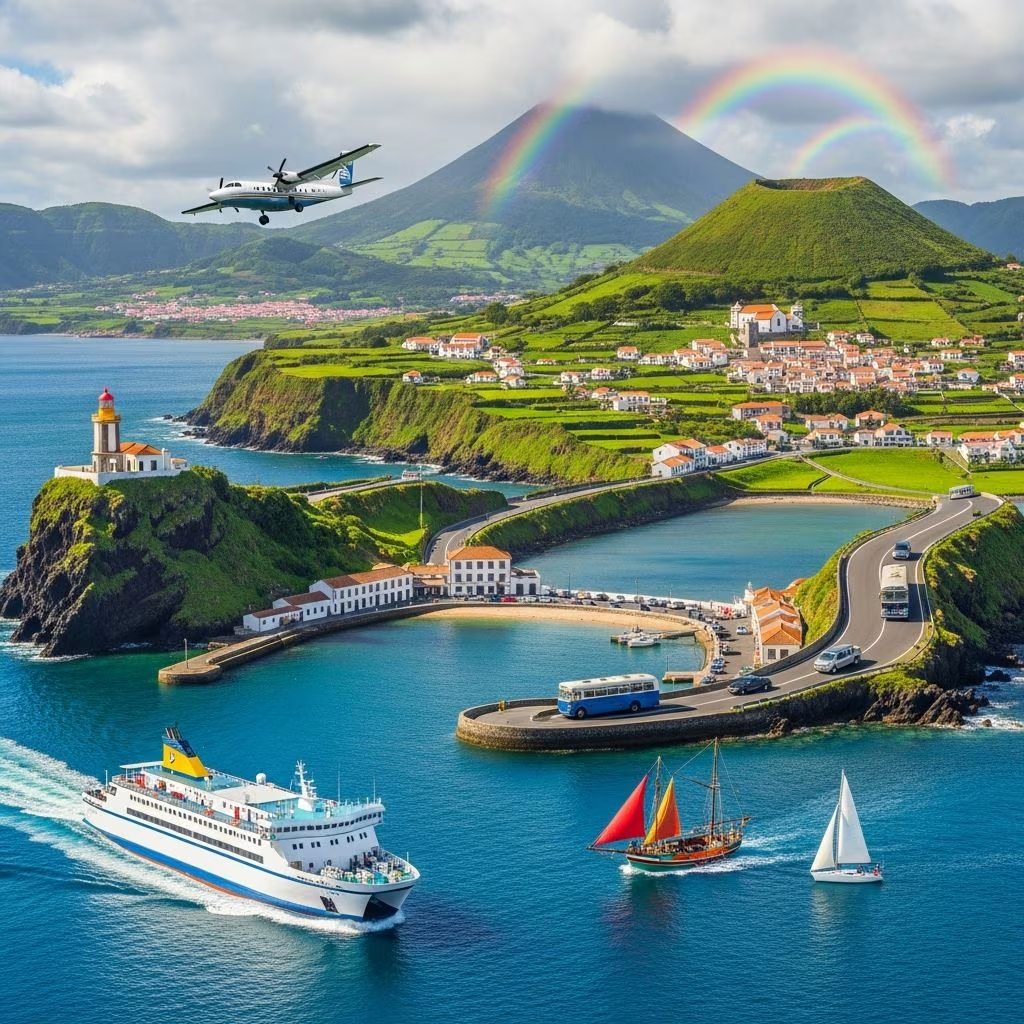 Travel Essentials
The Azores, Portugal’s remote Atlantic archipelago of nine lush islands, demands smart planning for transportation to unlock its volcanic craters, whale-filled waters, and hidden lagoons. Whether driving winding roads on São Miguel, ferrying between Pico and Faial, or hiking rugged trails on Terceira, understanding local options ensures you maximize every moment amid unpredictable weather and vast landscapes.
Spanning over 2,300 square kilometers across the Atlantic, the Azores’ islands vary from the expansive São Miguel (743 sq km) to tiny Corvo (17 sq km). Public transport is sparse outside main towns, making self-driven exploration essential for remote hikes like Sete Cidades or Furnas hot springs. Road trips offer flexibility for spontaneous stops at miradouros (viewpoints), while ferries and flights connect islands efficiently. Expect narrow, steep roads with livestock—drive cautiously for safety and immersion in this UNESCO-protected biosphere.
Most visitors land at Ponta Delgada Airport (PDL) on São Miguel, the main hub with direct flights from Europe, the US East Coast, and Lisbon. Smaller airports serve Terceira (TER), Pico (PIX), Faial (FAO), Flores (FLW), and Santa Maria (SMA). SATA Air Açores dominates inter-island flights; book early for deals starting at €40 one-way. From airports, taxis (€15-30), shuttles, or rentals get you to hotels quickly. For multi-island trips, fly into São Miguel then branch out.
Renting a car is the top choice for Azores mobility, granting access to off-grid spots like Lagoa do Fogo or Fajã da Caldeira de Santo Cristo. Major firms like Avis, Hertz, and local outfits operate at airports; expect €30-60/day for manuals (automatic scarce, pricier). Opt for 4x4s on Pico or Terceira’s gravel paths. You can ferry cars between Pico-Faial-São Jorge, expanding range.
Compact cars suit most; book via airport desks or apps for pickups. Electric vehicles are emerging on São Miguel, aligning with the archipelago’s sustainability push.
Ferries via Atlanticoline link central islands year-round, ideal for Pico-Faial (15-30 min, €10-15) or São Jorge runs. Summer fast cats speed São Miguel-Terceira (2-3 hrs). Vehicle ferries allow car transport on select routes, perfect for triangle explorations. Schedules vary seasonally; check atlanticoline.pt for winter reductions. Seas can roughen—pack meds.
| Route | Duration | Frequency | Cost (Adult) |
|---|---|---|---|
| Pico-Faial | 15-30 min | Multiple daily | €10-15 |
| São Miguel-Terceira | 2-3 hrs (summer) | Weekly | €40+ |
| Faial-São Jorge | 45 min | Daily summer | €20 |
Ferries beat flights for views of dolphins and basaltic cliffs, but plan around tides and weather apps.
SATA’s propeller planes connect all islands in under 1 hour; São Miguel-Pico costs €50-100. Ideal for time-crunched travelers hitting Flores or Corvo. Small runways mean bumpy rides—embrace the adventure. Golden Hour flights offer stunning aerials of calderas. Book bundles for savings; luggage limits apply (20kg checked).
All islands except Corvo have buses from capitals like Ponta Delgada or Angra do Heroísmo. Routes cover tourist hubs (e.g., Furnas, €5 round-trip), but frequencies drop post-6pm. Apps like Azores Bus provide schedules; day passes (€10) suit São Miguel loops. Taxis (€1/km) or Uber (limited) fill gaps.
For hassle-free options, join jeep tours on Pico’s volcano, kayak trips around Vila Franca, or whale-watching from São Miguel (€50-80). Horseback in Terceira’s interior or guided hikes to Pico summit (7hrs, €60). Book via visitazores.com for certified operators. Quad bikes access São Jorge fajãs—arrange with lodgings.
E-bikes (€25/day) tackle São Miguel’s flats; mountain bikes suit Graciosa’s lava fields. Over 200 trails await—from easy Sete Cidades loops to Pico’s 2,351m ascent. Apps like AllTrails guide; wear sturdy boots for wet paths. Free roaming cattle means vigilance.
The Azores lead in green travel: electric ferries trial runs, bike-sharing in Ponta Delgada, and carpool apps. Ditch single-use plastics; support zero-waste tours. Hiking minimizes emissions while revealing biodiversity.
Costs: Budget €50-100/day for transport (car+fuel). Weather: Rainy—pack layers, check forecasts. Driving: Left-side, speed limits 50km/h towns/90 highways. Bookings: Reserve cars/ferries 2-3 months ahead peak summer. ATMs sparse off-main roads.
Buses galore, rentals everywhere. Drive to tea plantations and Gorreana Factory tours.
Car ferries shine; hike fajãs or summit Pico.
Angra base for horseback or whale boats.
Remote—fly in, hike waterfalls.
Buses to sands, caves by bike.
Yes for full exploration; buses suffice main sights.
15min to 3hrs; Pico-Faial quickest.
Car rentals or tours; avoid rugged hikes.
Growing on São Miguel; charge stations increasing.
Ferries cut back; flights reliable.
