

 Travel Essentials
 Travel Essentials

Explore the best spots in the Azores: volcanic lakes, geothermal pools, waterfalls, and viewpoints on São Miguel, Pico, Terceira, and more for an unforgettable adventure.
 Travel Essentials
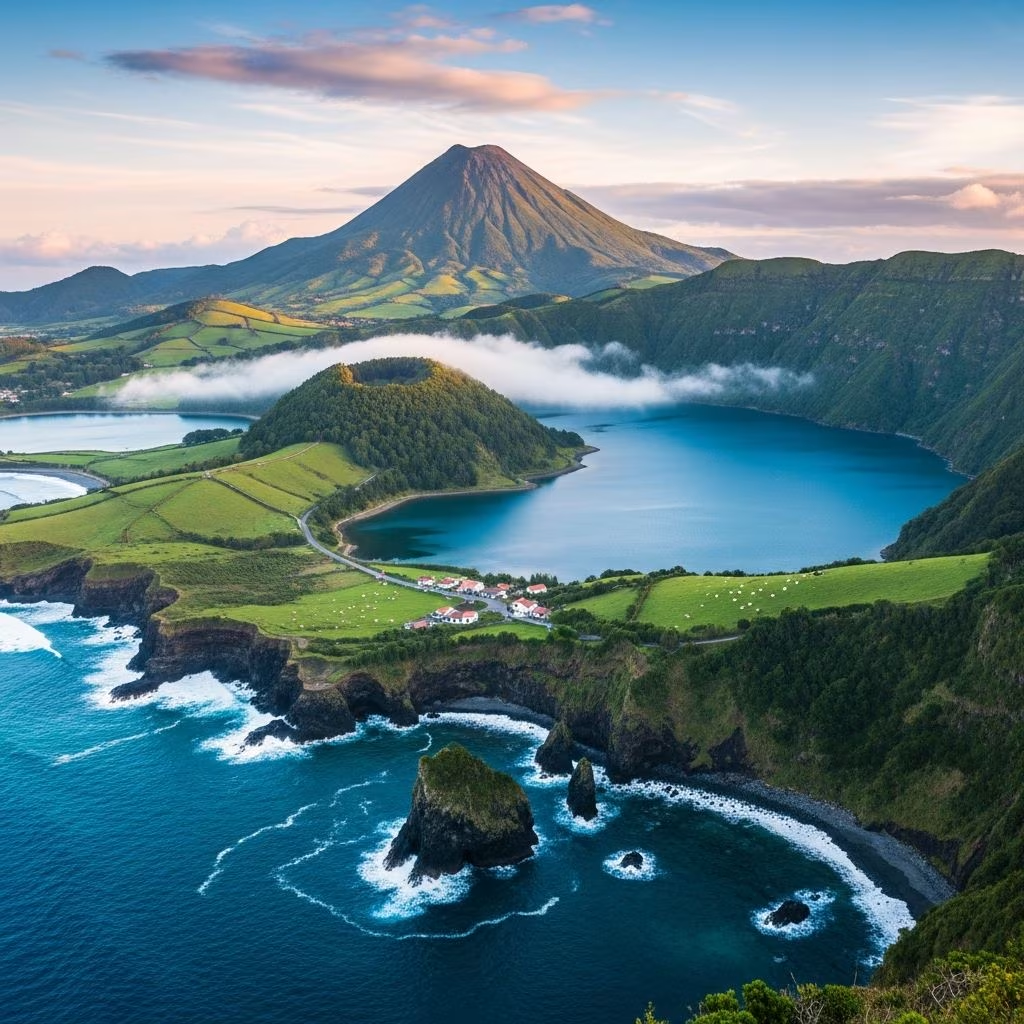
The Azores, a remote Portuguese archipelago in the mid-Atlantic, captivate with their dramatic volcanic terrain, emerald lakes, and geothermal wonders. Spanning nine islands—São Miguel, Santa Maria, Terceira, Graciosa, São Jorge, Pico, Faial, Flores, and Corvo—this destination offers unparalleled natural beauty for hikers, nature enthusiasts, and relaxation seekers. Whether you’re drawn to steaming hot springs, rugged coastlines, or lush forests, these islands deliver diverse experiences year-round.
Nestled between Europe and North America, the Azores boast a mild climate, free-roaming cattle grazing on verdant hills, and lagoons cradled in extinct craters. Their isolation preserves pristine ecosystems, making them ideal for eco-tourism. São Miguel, the largest and most accessible island, serves as a perfect entry point with its blend of urban vibrancy in Ponta Delgada and wild landscapes. Expect fresh seafood, unique wines from revived vineyards, and thermal pools heated by volcanic activity deep underground.
Travelers appreciate the islands’ uncrowded trails and viewpoints, where fog-shrouded peaks and hydrangea-lined roads create mystical scenes. Direct flights from major European and U.S. hubs make it reachable, yet it feels worlds away from mainland bustle.
Dubbed the “Green Island,” São Miguel combines accessibility with jaw-dropping scenery. Its western region features twin lakes in the Sete Cidades crater, accessible via hiking paths and viewpoints like Miradouro da Vista do Rei. These azure and green waters reflect surrounding peaks, especially at dawn when mists lift. Nearby, rocky beaches and natural pools invite swimmers, while ancient moss-covered aqueducts from 500 years ago channel mountain water to Ponta Delgada.
In the central Furnas Valley, geothermal activity dominates. Steam rises from the earth at sites like Furnas do Enxofre, where visitors witness fumaroles firsthand. The valley’s centerpiece, Furnas Lake, sits in a volcanic crater amid rolling green hills, best viewed from Miradouro do Pico do Ferro. Poça da Dona Beija offers terraced geothermal pools for soaking in mineral-rich waters—a quintessential Azores spa experience.
Botanical havens abound, such as Parque Terra Nostra, a 200-year-old garden with exotic flora thriving in volcanic soil. Wander palm avenues, flower beds, and statues before dipping into its iconic rusty-hued thermal pool. For waterfalls, the easy 3km round-trip to Cascata do Salto do Prego winds through endemic jungle vegetation to a swimmable cascade.
Venture to other islands for specialized adventures. Pico, home to Portugal’s highest peak at 2,351m, draws climbers and whale-watchers. Summit trails reveal basalt fields and vine terraces classified as a UNESCO site. Pair it with Faial’s Horta Marina, a yachting hub with colorful murals.
Terceira blends history and nature. Explore the massive Guilherme Moniz crater from Serra do Cume viewpoint, delve into Algar do Carvão volcanic tube, and relax in the lush Duke of Terceira gardens leading to Memória a D. Pedro IV monument. São Jorge’s Fajã da Caldeira de Santo Cristo, reached via steep trails or quad bikes, unveils a secluded lagoon-side village.
| Island | Signature Attraction | Best Activity | Difficulty |
|---|---|---|---|
| Pico | Mount Pico Summit | Hiking | Challenging |
| Terceira | Algar do Carvão | Caving | Easy |
| São Jorge | Fajã da Caldeira | Trail Descent | Moderate |
| Faial | Horta Marina | Whale Watching | Easy |
Flores and Corvo offer wilder, less-visited escapes with ribbon waterfalls and bird colonies, ideal for multi-island itineraries via ferries or short flights.
The Azores excel in miradouros—strategic viewpoints. On São Miguel, Miradouro da Ponta do Sossego boasts petal-strewn cliffs with ocean panoramas, rivaling any floral paradise. Miradouro da Lagoa do Fogo perches above the fiery lagoon, often wreathed in clouds for ethereal effects. Miradouro da Grota do Inferno encapsulates lush hills, emerald lakes, and craters in one sweeping vista.
These spots, often roadside, reward with minimal effort. Hydrangeas bloom vibrantly in summer, framing paths and enhancing photo ops across islands.
Hiking varies from easy boardwalks to strenuous ascents. São Miguel’s Salto do Prego trail showcases endemic plants en route to jungle pools. Pico’s volcano climb tests endurance with otherworldly lava landscapes.
Swim in natural wonders: Ponta da Ferraria’s tide-fed hot pools mix ocean chill with volcanic heat. Furnas’ Poça da Dona Beija provides manicured thermal bathing. Whale watching from Faial or Pico spots sperm whales and dolphins year-round.
Cuisine ties into nature—try cozido das furnas, meat and veggies slow-cooked in geothermal ovens, or fresh pineapple from São Miguel’s plantations.
Five days suffice for São Miguel; add 7-10 for hopping. Rent a car for flexibility—roads are winding but scenic. Stay in guesthouses or eco-lodges; Ponta Delgada offers urban amenities. Pack layers for microclimates and rain gear. Visit May-October for warmth, though shoulder seasons yield fewer crowds.
Sustainable tips: Stick to trails, support local farms like São Miguel’s vineyard tours, and avoid single-use plastics in this fragile ecosystem.
São Miguel offers the most variety, from lakes to hot springs, with easy access.
Moderate—flights vary, but food and lodging are affordable compared to mainland Europe.
Yes, via SATA Air Açores flights or ferries; book ahead for Pico/Faial routes.
Options for all levels; Salto do Prego is easy, Pico summit advanced.
April-October peaks sightings from São Miguel or Pico.
