

 Travel Essentials
 Travel Essentials

Discover how to pack light yet fully equipped for backpacking trips. From backpacks and shelters to clothing and safety essentials, get expert checklists and advice.
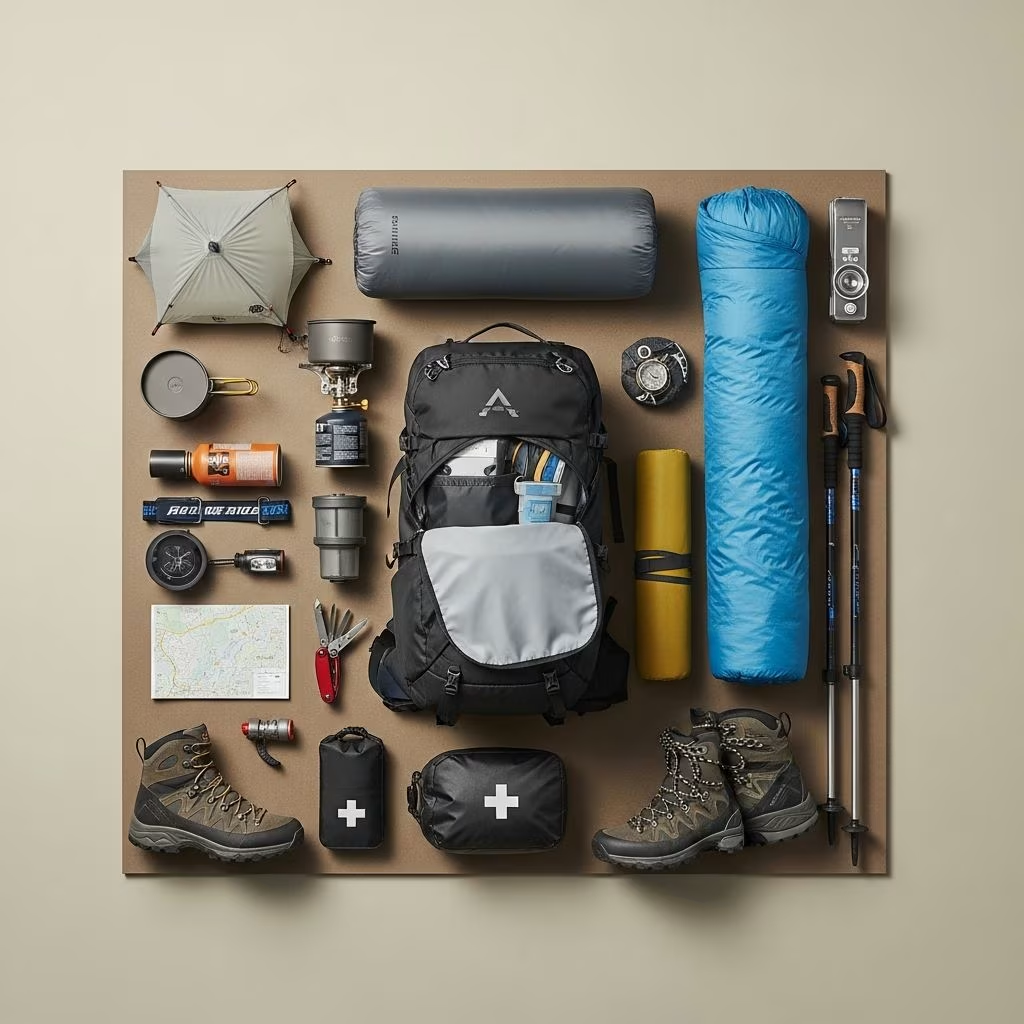 Travel Essentials
Backpacking combines the thrill of exploration with the challenge of self-sufficiency. Whether you’re heading into rugged mountains, lush forests, or arid deserts, the right gear ensures safety, comfort, and enjoyment. This guide breaks down everything you need, from core equipment to personalized adjustments, helping you build a kit that balances weight, durability, and functionality.
Your backpack is the foundation of any trip. Aim for 30-70 liters depending on trip length: 30-50L for 1-3 nights, larger for extended journeys. Look for adjustable suspension systems, padded hip belts, and breathable back panels to distribute weight evenly and prevent hotspots.
For multi-day treks, packs like those in the 55L range offer versatility without excess bulk.
A good night’s sleep recharges you for the trail ahead. Tents provide protection from elements, while ultralight options like bivy sacks suit solo minimalists.
| Type | Weight | Best For | Pros | Cons |
|---|---|---|---|---|
| Freestanding Tent | 2-4 lbs | 2-4 person groups | Easy setup, spacious | Heavier |
| Semi-Freestanding | 1.5-3 lbs | Couples, variable terrain | Lightweight, stable | Requires stakes |
| Bivy Sack | 0.5-1.5 lbs | Solo ultralight | Minimalist | Cramped |
Always pack stakes, guylines, a footprint or groundsheet, and seam sealer. Test setup at home.
Combine a sleeping bag rated 10-20°F below expected lows with an insulated pad for warmth and cushioning. Mummy bags compress small; pads inflate quickly for R-values of 3-5 in three-season conditions.
Aim for a base weight under 2 lbs total to keep your pack light.
Fuel your body with high-calorie, lightweight meals. Stoves enable hot food, crucial for morale in cold weather.
Pack 1.5-2.5 lbs food per day: dehydrated meals, nuts, bars. Water treatment via filter, tablets, or UV purifier is non-negotiable.
Layering beats single heavy pieces. Focus on merino wool base layers for odor resistance, synthetics for quick-dry.
| Layer | Items | Material Tips |
|---|---|---|
| Base | Underwear (2-3), socks (2-3 pr), sports bra | Merino/synthetic, no cotton |
| Mid | T-shirt, long-sleeve, fleece/down jacket | Breathable insulation |
| Shell | Rain jacket/pants, windbreaker | Gore-Tex or equivalent |
| Accessories | Hat, gloves, buff, sun hat | UPF 50+ for sun |
Hiking footwear: Boots for heavy loads/rough terrain, trail runners for speed. Camp shoes like sandals for evenings. Pack for laundry mid-trip if over a week.
The Ten Essentials form your safety net: navigation (map, compass, GPS), sun protection, insulation, illumination (headlamp + batteries), first-aid, fire starter, repair kit, nutrition, hydration, emergency shelter.
Share itinerary with someone; check weather obsessively.
Stay clean to prevent issues. Pack in a 1-2L stuff sack.
Bury waste 6-8 inches deep, 200ft from water. Quick-dry microfiber towel packs tiny.
Terrain dictates tweaks. Deserts demand extra water (4-6L capacity), electrolytes; bear country requires hard-sided canisters; snow/alpine needs microspikes, gaiters, 0°F bag.
Research regulations via park sites.
Minimize weight: Use DCF packs, titanium utensils, shared group gear. Compression sacks organize; dry bags protect. Practice packing to under 20-30 lbs base weight.
Ultralight ethos: Every item must justify its ounces.
Avoid overpacking clothes or underestimating weather. Break in boots; rotate socks. Hydrate proactively.
For women: Extra hygiene, fitted packs.
Start with 25-35 lbs total, including water/food. Focus on base weight under 15 lbs.
Only where required; use Ursacks or hangs otherwise. Check local rules.
2-3L minimum, plus treatment for sources. More in dry areas.
Thicker inflatable with 4+ R-value, like sea-to-summit models.
Yes, if terrain allows trees; add underquilt for insulation.
Prioritize big three: pack, shelter, sleep (60% budget). Borrow/rent initially; buy used quality brands. Total starter kit: $500-1500.
Expand gradually: Add stove, then nav tools.
