

 Travel Essentials
 Travel Essentials

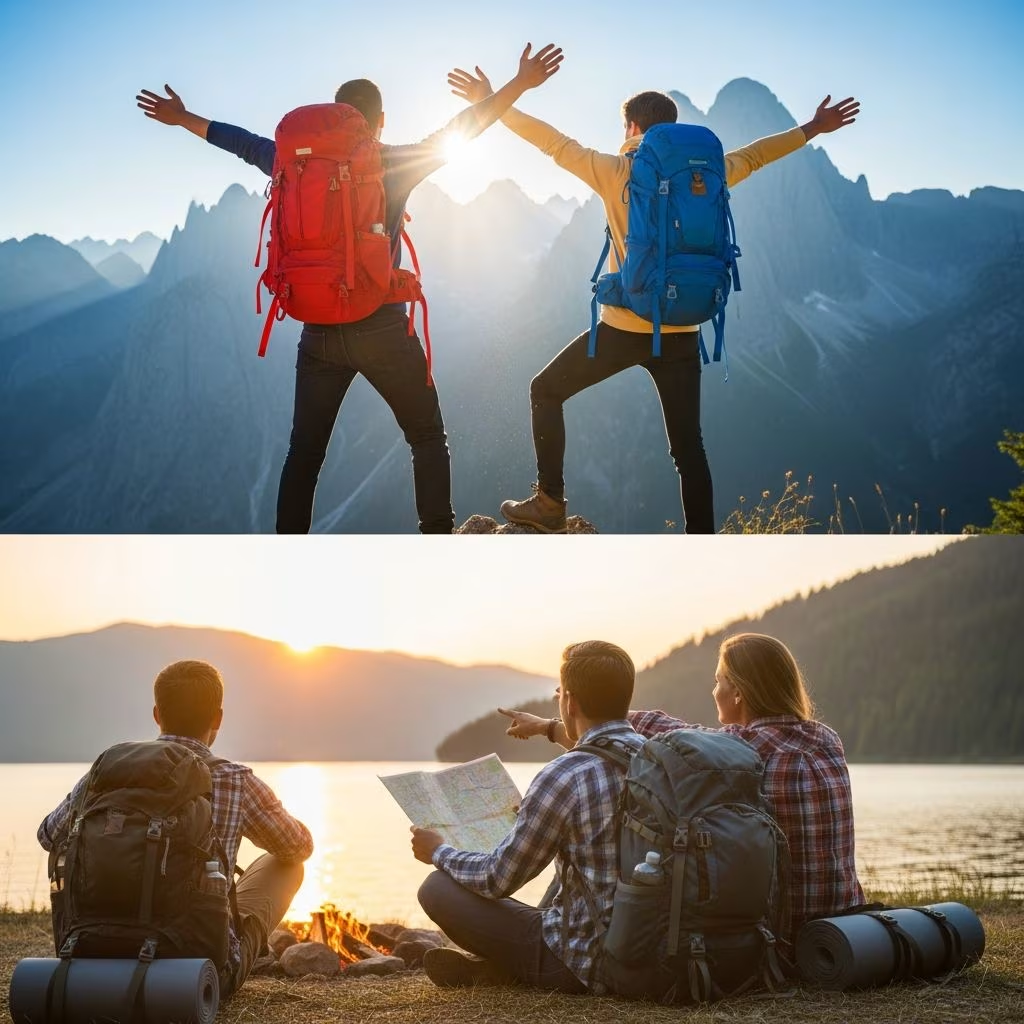
How backpacking changes from your 20s to 30s: budget, pace, social life, safety, and comfort all evolve with age.
 Travel Essentials
Backpacking offers unparalleled freedom and discovery, but the way we approach it shifts dramatically as we move from our 20s into our 30s. In youth, it’s often a whirlwind of spontaneity and endurance; later, it becomes a deliberate pursuit of depth and balance. This article dives into those transformations, drawing from real traveler accounts to highlight how priorities, budgets, and experiences evolve.
In your 20s, backpacking is a masterclass in frugality. Travelers recount spending around $1,250 per month by opting for overland transport like buses, trains, and even hitchhiking, skipping pricey flights whenever possible. Meals might involve creative hacks, such as making pasta with free condiment packets from fast-food spots, while accommodations stick to the cheapest hostels. This era is defined by necessity-driven thriftiness, covering vast distances on a shoestring.
By contrast, 30s backpackers enjoy more financial breathing room. With career stability often in place, budgets expand to include occasional comforts like mid-range hotels or guided tours. The focus shifts from mere survival to value—prioritizing experiences that justify the cost, such as a scenic train ride over a grueling bus journey. Slow travel emerges as a strategy, allowing longer stays in fewer places to maximize enjoyment without burnout.
| Aspect | 20s Approach | 30s Approach |
|---|---|---|
| Monthly Budget | ~$1,250, extreme cuts | Higher, with comforts |
| Transport | Hitchhiking, long buses | Mix of trains, short flights |
| Food | Street eats, hacks | Diverse, occasional splurges |
Twenties travel is a non-stop sprint. Days overflow with sightseeing, activities, and constant movement to avoid FOMO—fear of missing out. Backpackers in this phase cover multiple countries in months, like four in South America followed by Southeast Asia, rarely lingering. Social energy fuels late nights and group explorations, with rest sacrificed for the thrill.
Entering the 30s, energy levels prompt a rethink. Travelers note diminished stamina compared to their younger selves, leading to slow travel principles: extended stays, downtime, and balanced itineraries. Purpose replaces pace; instead of checklists, journeys emphasize immersion—learning local languages, joining community events, or hiking mindfully. Yoga, stretching, and supportive gear like trekking poles become essentials for trail comfort, habits absent in youth.
The 20s backpacking scene pulses with youth hostels as hubs for partying and instant friendships. Hitchhiking adventures, dawn-after parties, and spontaneous flings define the carefree vibe, often with little reflection on risks. Extroverted energy thrives amid backpacker trails in Southeast Asia, Australia, or New Zealand.
In your 30s, the party fades. Solo travelers report shifting from extroversion to introversion, preferring quality interactions over volume. Hostels give way to boutique stays or Airbnbs for privacy. Meeting like-minded adults happens via apps, tours, or niche groups—think over-30s retreats or cultural workshops. Friendships form slower but deeper, often leading to lasting bonds rather than fleeting hookups.
Youth brings boldness: motorbiking through Vietnam sans experience, hitchhiking remote areas, or diving into unvetted romances. Reflection is minimal; the focus is immersion without overthinking impacts.
Maturity tempers this. 30s travelers weigh safety—choosing reputable transport, travel insurance, and solo-female precautions honed over years. Yet fearlessness persists in new forms: purposeful solo trips seeking self-discovery, like immersing in local cultures for personal growth. Confidence from experience opens bolder destinations beyond standard routes.
Dorm bunks and basic pads suffice in 20s, prioritizing cost over sleep quality. Street food fuels endless days.
30s demand upgrades: supportive sleeping pads, private rooms, and gear like poles for joint health. Diets diversify beyond street stalls to balanced meals supporting sustained energy. This evolution enhances enjoyment, turning trips into rejuvenating escapes.
20s favor backpacker hotspots: Thailand beaches, Oz outback, Kiwi hikes—accessible, social, budget-friendly. Regional deep dives, like months in one continent, build expertise.
30s unlock everywhere. Experience emboldens offbeat spots—Patagonia treks, Moroccan medinas, or Japanese onsens. Confidence allows customization: family-friendly if parenting, or luxury-lite for couples.
Across decades, core loves persist: street food bliss, cultural shocks, human connections. Yet 30s travel fosters deeper purpose—self-awareness, work-life integration, even career pivots inspired by journeys.
Women solo travelers highlight mindset shifts: from goal-chasing to savoring, partying to reflection. Backpacking remains timeless, improving with age.
No—it’s different, often richer with purpose and comfort, minus the exhaustion.
Yes, selectively; many prioritize recovery for better days ahead.
Flexible, but aim higher than 20s for sustainability—$2,000+/month depending on style.
Tours, apps, co-working spaces, or mature hostels.
1-4 weeks minimum for immersion.
Backpacking evolves beautifully. Embrace the changes for adventures that nourish body, mind, and soul.
