

Food & Culture Stays Travel Essentials Travel Guides Trip Ideas
Categories
From the Blog
Remy’s Ratatouille Adventure at EPCOT: Ride Review, Tips & 2D Update
Travel Essentials

Bali Shopping Guide: Best Markets, Malls, Souvenirs & Local Finds

Explore the best places to shop in Bali, from bustling markets to chic boutiques, featuring handicrafts, textiles, jewelry, and more for every budget.
Travel Essentials

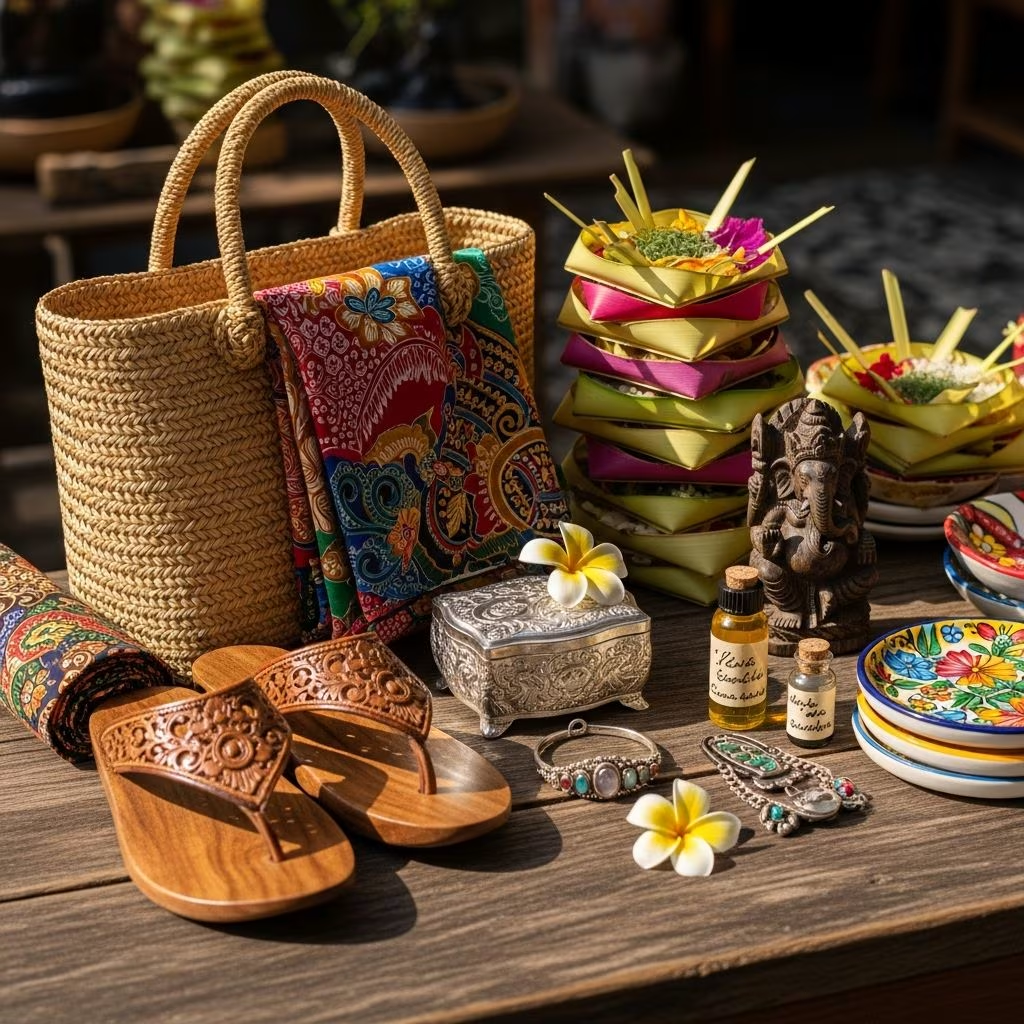
Bali captivates shoppers with its blend of traditional artistry and modern retail vibes. From intricate wood carvings to luxurious beachwear, the island offers endless options across diverse venues. This guide uncovers prime shopping zones, must-have items, and practical advice to maximize your experience.

Prime Shopping Neighborhoods in Bali

Bali’s shopping landscape spans lively southern beaches to cultural heartlands. Each area boasts distinct flavors, catering to bargain hunters, luxury seekers, and art lovers alike.

  • Kuta and Legian: Bustling hubs packed with surf shops, casual wear outlets, and souvenir stalls. Ideal for affordable beach gear and quick grabs.
  • Seminyak and Canggu: Trendy enclaves featuring designer boutiques, boho fashion, and home decor stores. Perfect for stylish finds amid cafe culture.
  • Ubud: The artistic soul, renowned for galleries, textile workshops, and artisan markets emphasizing cultural depth.
  • Nusa Dua: Upscale resort area with polished malls and galleries showcasing high-end crafts and international brands.

Must-Buy Handicrafts and Artisanal Goods

Bali’s handicrafts reflect its rich heritage, handmade by skilled locals using age-old techniques. These pieces make meaningful, durable souvenirs.

Wood Carvings and Sculptures

Master carvers from regions like Mas village create stunning figures, masks, and furniture from local woods like suket and jati. Expect mythical motifs from Balinese mythology, adding spiritual allure to your purchase.

  • Popular items: Barong masks, mythical creature statues, ornate furniture.
  • Price range: $5 for small trinkets to $500+ for large pieces.
  • Best spots: Ubud Art Market, Celuk village workshops.

Textiles and Fabrics

Vibrant batik, ikat, and songket fabrics showcase Bali’s dyeing traditions. These lightweight, story-laden cloths are perfect for scarves, sarongs, or home accents.

Textile TypeKey FeaturesAverage PriceTop Locations
BatikHand-painted wax-resist patterns$10-$50Ubud Market, Threads of Life
IkatTied and dyed yarns for geometric designs$20-$100Tenganan village, Seminyak boutiques
SongketGold-threaded luxury weaves$50-$200Palace shops in Klungkung

Silver Jewelry and Accessories

Celuk village artisans craft filigree silver pieces inspired by floral and mythical themes. Opt for 800-grade silver stamps for authenticity.

  • Highlights: Earrings, bracelets, ornate rings.
  • Tips: Test weight and hallmarks; prices from $15 to $300.

Fashion and Beachwear Hotspots

Bali’s fashion scene fuses global trends with island flair. Boutiques stock resort wear, surf essentials, and bohemian styles at competitive prices.

Surf Gear and Casual Apparel

From Quiksilver outlets to local labels, Kuta’s surf shops offer boards, trunks, and rash guards. Canggu’s Deus Ex Machina blends skate, surf, and custom bikes in a lively setting.

  • Essentials: Boardshorts ($30-$80), bikinis ($20-$60), sunglasses.
  • Pro tip: Sunset Road factories for discounted branded gear.

Boho Chic and Designer Finds

Seminyak streets brim with linen dresses, kaftans, and rattan bags. Local designers draw from Bali’s aesthetics for effortless, vacation-ready looks.

Average outfit costs: Tops $15-$40, dresses $30-$100. Visit Seminyak Flea Market for vintage-inspired bargains.

Local Delicacies and Edible Souvenirs

Beyond visuals, Bali tempts with gourmet keepsakes. These portable treats capture the island’s flavors.

  • Kopi Luwak: Rare civet-processed coffee beans ($20-$100 per 100g). Visit Ubud plantations for tours and tastings.
  • Spices and Sambals: Packs of cloves, turmeric, and chili pastes ($5-$15).
  • Chocolate and Soaps: Organic cacao from east Bali farms ($10-$30).

Modern Retail: Malls and Supermarkets

For air-conditioned comfort and variety, Bali’s malls mix global chains with local flavors.

Mall NameLocationHighlightsPerks
BeachwalkKutaFashion, electronics, beach viewsOpen-air design, dining
Mall Bali GaleriaKutaInternational brands, cinemaEntertainment zones
Bali CollectionNusa DuaArt galleries, souvenirsResort access, cafes

Supermarkets like Hardy’s stock duty-free booze, snacks, and basics at low prices.

Markets: Where Bargains Thrive

Traditional markets pulse with energy, offering haggling opportunities and authentic vibes.

  • Ubud Art Market: Daily artisan stalls for crafts and textiles; start at half price, settle 30-50% off.
  • Seminyak Flea Market: Jewelry, clothes, antiques amid beach club proximity.
  • Canggu Markets (e.g., Samadi): Sundays for organic produce, jams, and accessories.

Smart Shopping Strategies

Navigate Bali’s bazaars with these tactics for value.

  • Bargain Politely: Smile, counter 50% initial ask, walk away if needed.
  • Spot Authenticity: Seek natural materials, artisan signatures; avoid mass-produced imports.
  • Timing: Early mornings for fresh stock, evenings for deals.
  • Packing: Choose lightweight items; ship bulky furniture via local services.
  • Duty-Free Perks: Airport shops for last-minute luxury buys cheaper than home.

FAQs: Bali Shopping Answered

What are the cheapest souvenirs in Bali?

Keychains, incense (dupa), fridge magnets, and small soaps cost $1-$5.

Is bargaining expected in markets?

Yes, in traditional markets; fixed prices prevail in malls and boutiques.

Where to find genuine kopi luwak?

Plantations like Teba Sari in Ubud offer ethical sourcing and tours.

Best area for furniture shopping?

Seminyak and Ubud for statement pieces; check Saya Gallery for quality.

Can I ship purchases home?

Yes, many shops arrange international shipping; confirm costs upfront.

Preserving Bali’s Craft Legacy

Support ethical shopping by choosing fair-trade outlets like Threads of Life, which aid weavers. Avoid wild civet kopi luwak for animal welfare. These choices sustain Bali’s creative spirit.

References

  1. Indonesia Ministry of Tourism and Creative Economy – Bali Handicraft Guidelines — Ministry of Tourism. 2024-01-15. https://kemenparekraf.go.id/
  2. Bali Provincial Culture Office – Traditional Textiles Report — Bali Culture Office. 2023-11-20. https://disparpbud.baliprov.go.id/
  3. UNESCO Intangible Cultural Heritage – Balinese Wood Carving — UNESCO. 2022-05-10. https://ich.unesco.org/
  4. Reuters – Bali Tourism Recovery and Shopping Trends — Reuters. 2025-03-12. https://www.reuters.com/
  5. World Bank Indonesia Tourism Report — World Bank. 2024-09-01. https://www.worldbank.org/en/country/indonesia
SN
Sneha Tete
Sneha is a relationships and lifestyle…

Sneha is a relationships and lifestyle writer with a strong foundation in applied linguistics and certified training in relationship coaching. She brings over five years of writing experience to CultureTreker,  crafting thoughtful, research-driven content that empowers readers to build healthier relationships, boost emotional well-being, and embrace holistic living.Her writing and insights reflect the belief that beauty, happiness, and wellness begin from within, through the harmonious balance of the mind, body, and heart. With a background in instructional design and research writing, Sneha transforms complex topics into practical insights that are easy to understand and apply.Sneha has also self-published a novella on adolescent mental health, highlighting her ability to navigate emotionally layered topics with nuance and empathy. When she's not writing, you'll find her exploring storytelling through photography, diving into K-dramas, or enjoying quiet moments with her family and friends.

← Previous
One Day in Berlin: The Ultimate 24-Hour Itinerary
‹›
