

 Travel Essentials
 Travel Essentials

Unveil the rich traditions of Japan's Bandai-Asahi National Park, blending Shugendo spirituality, bonsai cultivation, historic onsen, and local cuisines across its vast landscapes.
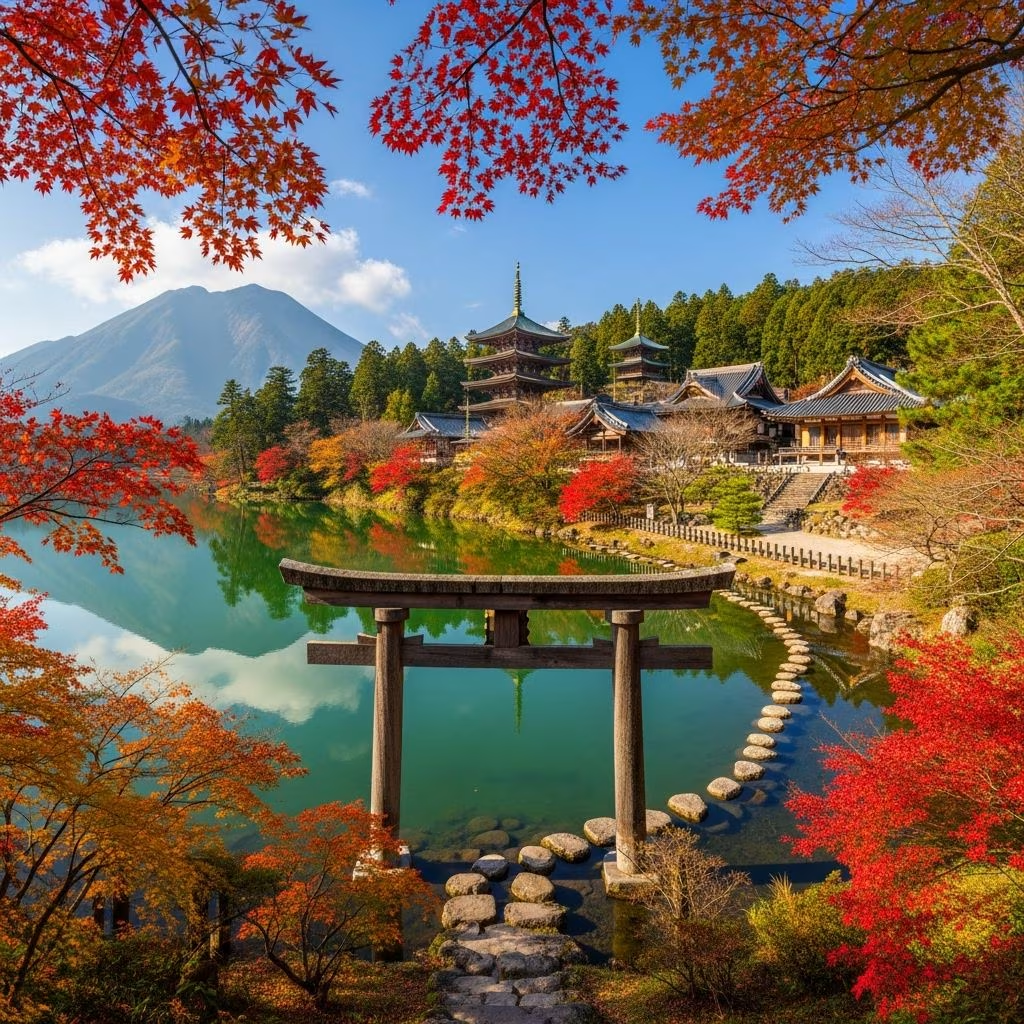 Travel Essentials
Japan’s Bandai-Asahi National Park stands as one of the country’s largest protected areas, encompassing dramatic volcanic terrains, crystalline lakes, and sacred peaks that have nurtured profound cultural practices for centuries. Spanning Fukushima, Yamagata, and Niigata prefectures in the Tohoku region, this expansive 1,870 square kilometer haven—Japan’s third-largest national park—harmoniously blends natural splendor with deep-rooted traditions like mountain asceticism, intricate bonsai artistry, and time-honored hot spring rituals. Visitors are drawn not just to its hiking trails and seasonal activities but to the living heritage that permeates every corner, offering immersive experiences in spirituality, craftsmanship, and gastronomy.
Established in 1950, Bandai-Asahi National Park safeguards diverse ecosystems while promoting cultural preservation and public access to nature. Its boundaries stretch from the Bandai-Azuma range in the south to the revered Dewa Sanzan mountains in the north, creating a mosaic of wilderness ideal for cultural exploration. The park’s history is intertwined with ancient Shinto-Buddhist syncretism, particularly Shugendo, a mountain-worship faith where yamabushi ascetics undergo rigorous training to harmonize body and spirit with nature. This spiritual legacy, dating back over 1,400 years, manifests in pilgrimage routes, temple complexes, and rituals that continue to draw devotees and curious travelers alike.
The region’s volcanic past, highlighted by Mount Bandai’s dramatic 1888 eruption, has shaped both its landscapes—like the vividly colored Goshikinuma Ponds—and its resilient cultural identity. Local communities have adapted, fostering crafts such as bonsai from resilient pine seeds gathered from these very mountains. Today, the park serves as a bridge between Japan’s imperial past and modern eco-tourism, with protected flora and fauna coexisting alongside human traditions.
At the heart of Bandai-Asahi’s cultural allure lies the meticulous art of bonsai, where artisans transform wild mountain pines into living sculptures that challenge perceptions of time and scale. Third-generation craftsmen like those in the Azuma region forage seeds from high-altitude Azuma Goyomatsu pines, nurturing them over decades into diminutive trees that evoke ancient forests. These creations embody wabi-sabi aesthetics—celebrating imperfection and transience—rooted in Zen philosophy.
Visitors can engage directly through guided tours of bonsai nurseries, where experts demonstrate wiring techniques, pruning methods, and soil compositions tailored to mimic natural erosion. Workshops often conclude with hands-on sessions, allowing participants to shape their own miniature tree, followed by tastings of kinako-dusted mochi and seasonal fruits paired with pickled vegetables—a nod to local foraging traditions. This experience not only imparts technical skills but also a meditative appreciation for patience, as a single bonsai may take 20-50 years to mature.
No cultural journey through Bandai-Asahi is complete without ascending the Dewa Sanzan—the Three Mountains of Dewa: Haguro, Gassan, and Yudono. These peaks form a spiritual axis for Shugendo practitioners, yamabushi who clad in white robes endure physical trials to attain enlightenment. Mount Haguro, the most accessible at 414 meters, features 2,446 ancient stone steps leading to cedar-shaded shrines and the towering five-story pagoda, Sanjū-dō.
Guided yamabushi tours immerse participants in this 1,400-year-old tradition: don traditional attire, chant sutras, and hike paths once trodden by emperors and poets. At the summit, chaya teahouses serve frothy matcha alongside wagashi sweets, evoking the sustenance of historical pilgrims. The day culminates in zazen meditation amid rock gardens, where natural sounds foster profound introspection. Haguro’s Ideha Cultural Museum further enriches understanding with artifacts detailing Shugendo’s fusion of Shinto animism and esoteric Buddhism.
| Mountain | Height | Cultural Role | Accessibility |
|---|---|---|---|
| Haguro | 414m | Year-round pilgrimage base | Steps and trails open all seasons |
| Gassan | 1,984m | Peak ascetic training | Summer only due to snow |
| Yudono | 1,508m | Mystical hot spring rites | Restricted, guided access |
Bandai-Asahi’s geothermal bounty manifests in historic onsen, with Shirabu Onsen boasting over 700 years of continuous operation. Ryokans like family-run establishments preserve this legacy, where the 27th-generation proprietor oversees mineral-rich baths carved into mountainsides. Soaking here dissolves modern stresses, as waters reputedly aid circulation and skin health, aligning with Japan’s ofuro bathing philosophy.
Evenings feature kaiseki multi-course dinners showcasing hyper-local bounty: sashimi from lake fish, foraged mountain vegetables, and premium wagyu like melt-in-mouth Aizu or Yonezawa beef. Breakfasts of steamed rice, grilled fish, and sencha green tea complete the ritual, often served in communal dining halls overlooking misty valleys. These stays emphasize omotenashi hospitality, fostering guest-host connections akin to family gatherings.
The park’s culture extends to its palate, where Fukushima’s Inawashiro Lake—dubbed the “Heavenly Mirror” for its clarity—anchors fishing communities yielding pristine seafood. Nearby Aizu-Wakamatsu’s preserved Nanoka-machi-dori street buzzes with lattice-fronted shops vending lacquerware, textiles, and sake brewed from pure spring water. Indulge in wagyu at venues blending Western grill techniques with teppanyaki traditions, pairing cuts with regional wines or craft beers.
Yonezawa beef, from cattle raised on mountain grasses, exemplifies terroir-driven cuisine, its marbling rivaling global standards. For sweets, mochi pounded fresh and dusted with kinako offers a sticky, nutty contrast to savory bites. These flavors, tied to seasonal harvests, underscore the park’s farm-to-table ethos.
Day 1: Bonsai and Lakeside Serenity
Begin with a bonsai workshop in the Azuma foothills, crafting your piece amid pine-scented air. Afternoon: Train to Inawashiro Lake (90 minutes from Fukushima Station) for boat rides reflecting azure skies. Evening: Stroll Aizu’s old town, dine on wagyu, and check into a lakeside inn.
Day 2: Onsen Rejuvenation
Morning transfer to Shirabu Onsen for immersive bathing and kaiseki feasting. Explore surrounding trails dotted with wildflowers, returning for sunset soaks and beef-centric dinners.
Day 3: Spiritual Ascent
Head to Dewa Sanzan for Haguro’s steps, yamabushi guidance, summit tea, and zazen. Evening at Hagurokan ryokan, savoring tatami simplicity and pilgrim fare.
Yes, Mount Haguro’s steps are manageable year-round, while advanced trails like Iide suit experts.
Its Shugendo heritage as a yamabushi training ground sets it apart as a living spiritual site.
Absolutely; workshops are adaptable, with child-friendly pruning sessions.
Most offer private or single-sex baths; inquire ahead.
Shinkansen to Fukushima (1.5 hours), then local lines (total 3-4 hours).
This itinerary and tips ensure a transformative visit, weaving Bandai-Asahi’s cultural threads into lasting memories amid Tohoku’s timeless beauty.
