

 Travel Essentials
 Travel Essentials

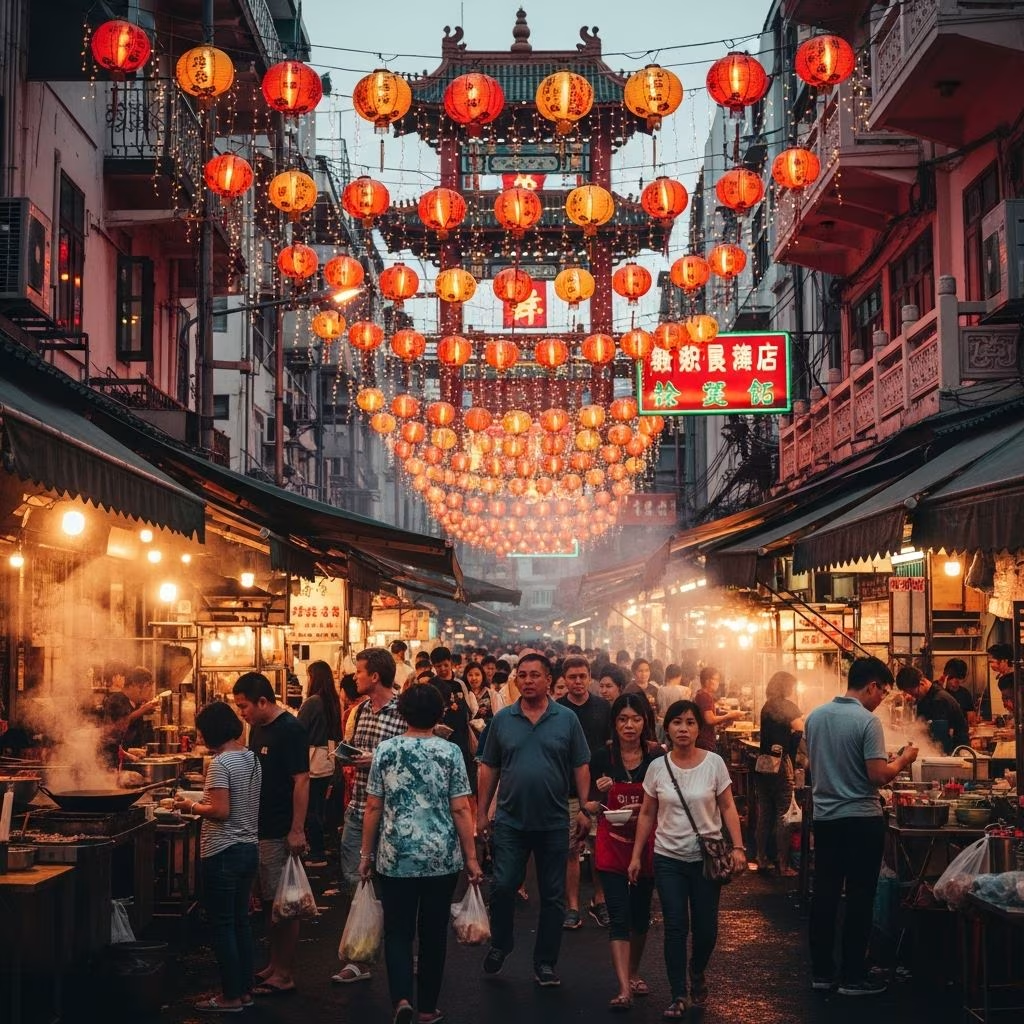
Explore Bangkok's dynamic Chinatown: savor street food delights, wander historic markets, visit golden temples, and dive into Thai-Chinese culture along neon-lit Yaowarat Road.
 Travel Essentials
Bangkok’s Chinatown, sprawling around the iconic Yaowarat Road, stands as one of the world’s largest and most pulsating ethnic enclaves. This district fuses Thai and Chinese influences into a tapestry of neon lights, aromatic street stalls, ancient shrines, and labyrinthine markets, drawing millions annually to experience its raw energy.
Established in the late 18th century after Chinese immigrants were relocated by King Rama I, Chinatown began as a modest trading outpost on swampy terrain near the Chao Phraya River. Teochew merchants from southern China overcame harsh conditions to build a thriving community, specializing in commerce that fueled Bangkok’s growth. By the 19th century, under King Rama V’s infrastructure upgrades starting in 1891, dirt paths transformed into paved roads, solidifying Yaowarat as the district’s lifeline.
Today, despite Bangkok’s skyscraper boom, Chinatown preserves its heritage amid modernization. Festivals like Chinese New Year amplify its vibrancy with parades, lion dances, and lanterns, while daily life pulses with gold trading, herbal remedies, and family-run eateries passed down generations. This blend creates a sensory overload unique in Southeast Asia.
Reaching Chinatown is straightforward, with options suiting different paces. The MRT Blue Line drops you at Wat Mangkon Station, mere steps from food hubs and temples. For a scenic entry, hop on the Chao Phraya Express Boat to Ratchawong Pier, then stroll into the bustle. Taxis or rideshares work too, but avoid peak hours to dodge gridlock. Daytime visits reveal quieter authenticity, while evenings ignite with neon spectacle—plan accordingly based on your vibe.
Yaowarat Road, the district’s neon-veined artery, buzzes from dawn to midnight. Daytime showcases gold emporiums like the historic Tang To Kang, Bangkok’s oldest from the 1880s, housing a gold museum amid glittering displays. Pharmacies hawk traditional remedies, and alleys branch into wholesale wonders. At night, signs blaze red and gold, illuminating street feasts.
Key stops include the Chinatown Gate, a ceremonial arch exploding with festivities during Lunar New Year. Nearby, Wat Traimit—Temple of the Golden Buddha—enshrines a 5.5-tonne solid gold statue, once hidden under plaster to evade invaders, symbolizing resilience. The Yaowarat Chinatown Heritage Center offers exhibits on immigrant tales and evolution.
| Landmark | Highlight | Best Time |
|---|---|---|
| Yaowarat Road | Neon lights, gold shops | Night |
| Wat Traimit | Golden Buddha statue | Day |
| Chinatown Gate | Festivals, culture | Chinese New Year |
| Tang To Kang | Gold museum | Day (appointment) |
Sampheng Market, Chinatown’s wholesale epicenter since the district’s inception, snakes through narrow, tin-roofed lanes between old shophouses. Here, fabrics, trinkets, spices, and snacks pile high in a chaotic symphony of haggling vendors. It’s less touristy than night markets, offering glimpses of local trade—perfect for bargains on silk, jewelry, or dried goods. Mornings beat crowds; afternoons amp the frenzy.
Explore side alleys for hidden gems: toy wholesalers, fabric districts, and snack stalls. It’s a photographer’s dream amid the clutter, but watch pockets in the throng.
Chinatown’s cuisine reigns supreme, blending Thai-Chinese flavors in open-air stalls. Yaowarat’s night scene tempts with seafood grilled on skewers, pork skewers, mango sticky rice, and noodle soups. Iconic spots like Jek Pui Curry draw lines for crab curry amid ‘musical chairs’ seating.
Daytime shines at old haunts like Ek Teng Phu Ki, a 107-year-old coffee shop famed for kaya custard toast, once a merchant hub. Venture beyond streets to restaurants: dim sum at Laoteng or kitschy Chop Chop for diner-style Chinese plates. Must-tries include fresh oysters, rad na noodles, and Hokkien mee. Allocate hours—it’s vast.
Sacred sites punctuate the chaos. Wat Mangkon Kamalawat, a Teochew gem, hosts vegetarian festivals with spiked piercings and trances. Ornate roofs and incense clouds invite reflection. Wat Traimit’s golden icon gleams inside a modern marble hall, contrasting street grit. Smaller shrines dot alleys, offering merit-making amid daily worship.
Amid heritage, contemporary murals splash color on Khlong Ong Ang canal walls—fairy-lit by night. Hunt murals depicting myths and urban life, blending old and new. It’s a respite from market madness.
Open 24/7, peak energy hits evenings, but daytime (pre-5 PM) skips crowds for authentic vibes—markets quieter, cafes serene. Wear comfy shoes for 1-2 mile walks; carry cash for stalls. Hydrate amid heat; vegetarian options abound during festivals.
| Aspect | Daytime | Nighttime |
|---|---|---|
| Crowds | Manageable | Intense |
| Food Scene | Cafes, markets | Street stalls peak |
| Attractions | Temples, shopping | Neon, vibes |
| Best For | Exploration | Energy |
Daytime offers fewer crowds and deeper local immersion, like quiet markets and cafes, while night delivers neon spectacle and peak food action.
Try crab curry at Jek Pui, kaya toast at Ek Teng Phu Ki, grilled seafood, and noodles along Yaowarat.
4-8 hours minimum; full day ideal for food, markets, and sights.
Yes, but stay alert in crowds; stick to main paths at night.
MRT to Wat Mangkon; 1-hour ride.
As tourism surges, efforts balance preservation with progress. Community-led initiatives maintain traditions amid gentrification threats. Visitors play a role by supporting family vendors and respecting customs.
