


 Food & Culture
Food & Culture
Bangladesh Travel Guide: Rivers, Wildlife, Tea Hills & Culture
Explore Bangladesh's top attractions: Sundarbans tigers, river journeys, tea estates in Sylhet, historic Dhaka, and Cox's Bazar beaches in this comprehensive guide.
 Food & Culture
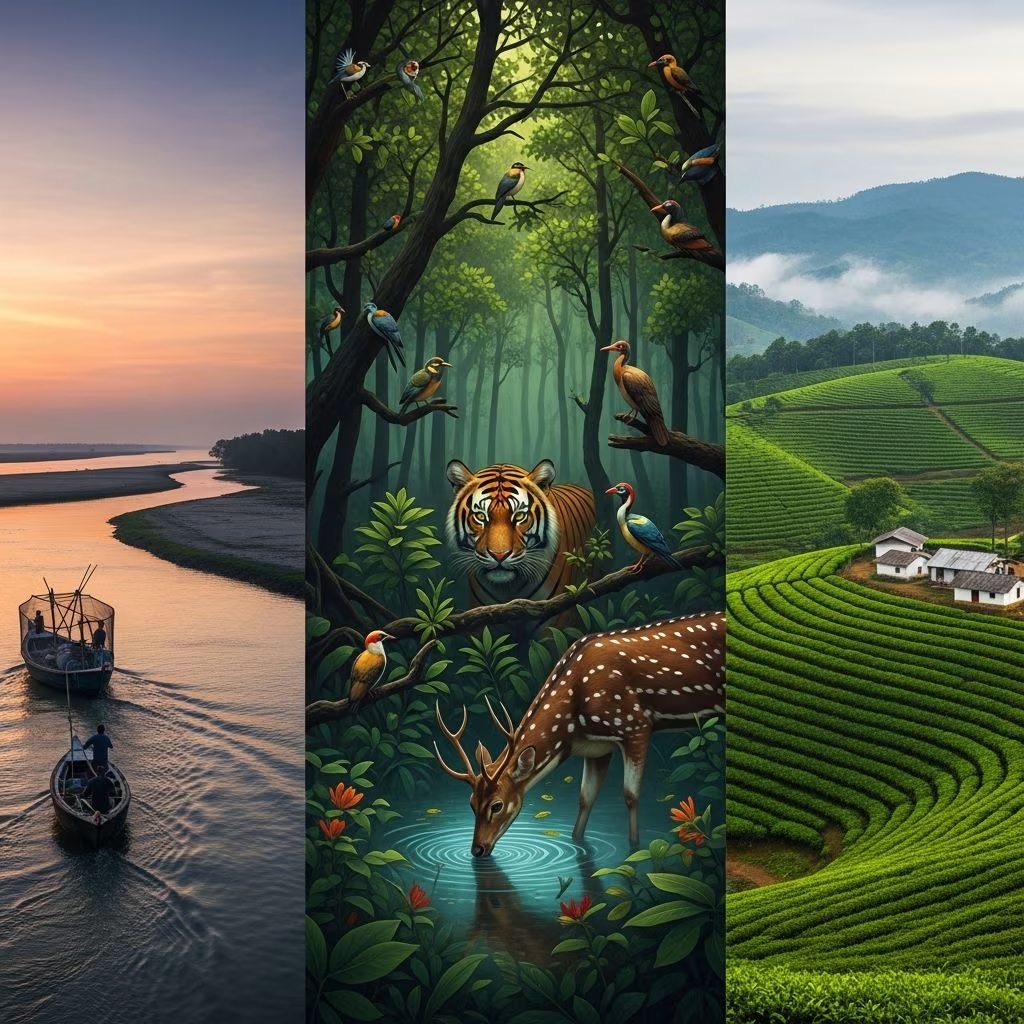
Bangladesh captivates with its intricate network of rivers, elusive wildlife, and verdant tea landscapes. This delta nation offers immersive experiences blending natural wonders and cultural depth, ideal for adventurous travelers seeking authenticity beyond typical tourist paths.
Navigating the Lifelines: Bangladesh’s River Systems
The country’s geography is defined by over 700 rivers, including the mighty Padma (Ganges) and Jamuna (Brahmaputra), which shape daily life, agriculture, and transport. These waterways create fertile plains and vast deltas, influencing everything from fishing communities to seasonal festivals.
Traveling by boat reveals rural vignettes: villagers ferrying goods, children bathing along banks, and vibrant haats (floating markets). Iconic journeys like the Rocket paddle steamer connect Dhaka to southern ports, offering multi-day cruises with onboard dining and deck views of passing landscapes.
- Rocket Steamer Route: Dhaka to Morrelganj, showcasing riverine villages and sunset horizons.
- Haor Wetlands: Seasonal flooded basins near Sylhet, perfect for birdwatching during migrations.
- Buriganga River: Dhaka’s historic artery, lined with colonial-era warehouses and bustling ports.
Monsoon swells (June-September) transform rivers into powerful forces, but dry seasons (October-March) provide optimal navigation. Safety tip: Choose licensed operators with life vests and experienced captains.
Wild Encounters in the Sundarbans Mangroves
The Sundarbans, a UNESCO World Heritage Site, spans 10,000 square kilometers of the world’s largest mangrove forest at the Ganges-Brahmaputra delta. Home to the endangered Bengal tiger, this labyrinth of creeks and islands teems with biodiversity.
Tiger sightings, though rare, thrill via boat safaris on larger rivers or narrow canals. Co-stars include saltwater crocodiles, Ganges river dolphins, spotted deer, and olive Ridley turtles. Local Mawali honey collectors share tales of navigating tiger territories using rhythmic drums to ward off attacks.
| Wildlife | Best Viewing Time | Habitat Notes |
|---|---|---|
| Bengal Tiger | Dawn/Dusk | Elusive; tracks common on mudflats |
| Ganges Dolphin | Daytime | Playful leaps in deeper channels |
| Crocodiles | Anytime | Sunning on banks; avoid swimming |
| Water Monitor Lizards | Morning | Foraging in undergrowth |
Multi-day tours from Khulna or Dhaka include forest walks (with armed guides), village homestays, and crab feasts. Conservation efforts by the Bangladesh Forest Department protect this fragile ecosystem from poaching and climate rise. Visit October-March for drier trails and active wildlife.
Sylhet’s Tea Hills: A Subtropical Paradise
In northeastern Bangladesh, Sylhet Division boasts rolling tea estates rivaling Darjeeling, thanks to its hilly terrain and monsoon mists. Srimangal, the tea capital, surrounds visitors with manicured plantations where pickers in colorful saris harvest leaves by hand.
Tours cover factory processes—from withering to orthodox rolling—ending with tastings of bold malty brews. Beyond tea, explore Lawachara National Park for hoolock gibbons, Phayre’s leaf monkeys, and capped langurs amid semi-evergreen forests.
- Jaflong: Riverside spot with Khasi tribal villages and stone-collecting beaches.
- Lala Khal: Scenic boat rides through tea gardens and the vivid Sharee River.
- Satchari National Park: Trails for birding and Manipuri cultural insights.
Hike plantation hills or cycle rural paths; homestays offer authentic meals like pithas (rice cakes). Peak season aligns with cool winters (November-February), when estates glow emerald post-harvest.
Dhaka: Chaos and Cultural Treasures
Bangladesh’s capital pulses with 20 million residents, blending Mughal relics, colonial facades, and modern skyscrapers. Old Dhaka’s narrow alleys brim with rickshaws, street food aromas, and haggling at Buriganga ghats.
Key sites include Ahsan Manzil (Pink Palace), a 19th-century nawab residence with Indo-Saracenic grandeur; Lalbagh Fort, an incomplete Mughal fortress with gardens; and Armenian Church, a serene 18th-century outlier.
Night markets like Shankhari Bazar serve fiery biryanis and fuchka (spicy puffs). For contrast, New Dhaka’s Gulshan offers upscale cafes and Jatiya Sangsad (parliament) architecture.
- Start at Sadarghat River Port for dawn ferries.
- Wander Shankaria Bazaar for Hindu temple vibes.
- Visit National Martyrs’ Memorial outside town for independence history.
Navigate via CNG autos or apps; avoid peak traffic (7-10 AM, 4-8 PM).
Cox’s Bazar: The World’s Longest Beach
Stretching 120 km along the Bay of Bengal, Cox’s Bazar delivers uninterrupted sands backed by hills. Dawn sees fishermen hauling nets, while evenings host beach soccer, horse rides, and impromptu dances.
Himchari and Inani beaches offer quieter coves with waterfalls; nearby St. Martin’s Island requires a ferry for coral reefs and snorkeling. Infrastructure includes resorts, seafood shacks, and bazaars for textiles.
Best November-March; monsoons bring rough surf but fewer crowds. Pair with Chittagong Hill Tracts for tribal hikes in Rangamati or Bandarban.
Historical Marvels Across the Land
Beyond naturals, Bangladesh preserves ancient wonders. Somapura Mahavihara in Paharpur, a 7th-century Buddhist vihara, rivals Angkor as Asia’s largest. Sixty Dome Mosque in Bagerhat showcases 15th-century terracotta artistry.
Kantanagar Temple near Rangpur features 1752 terracotta plaques narrating epics. Sonargaon, medieval capital, displays Jamdani weaving heritage.
Practical Planning for Your Trip
Best Time: October-March for dry, mild weather (20-25°C).
Getting There: Dhaka’s Hazrat Shahjalal Airport; internal flights to Cox’s Bazar/Sylhet, buses/trains elsewhere.
Visas: On-arrival for most; check updates.
Budget: $30-60/day; street food cheap, tours $50+.
Health/Safety: Vaccinations (hepatitis, typhoid); modest dress; guided Sundarbans essential.
Frequently Asked Questions
Is Bangladesh safe for solo travelers?
Yes, with precautions: stick to tourist areas, use rideshares, avoid night walks in low-lit spots. Hospitality shines.
How to spot tigers in Sundarbans?
Opt for 2-3 day boat tours; patience key—tigers roam 10-20 sq km territories.
What’s unique about Sylhet tea?
High-altitude bushes yield aromatic, full-bodied flavors; ethical estates support local workers.
Best Dhaka day itinerary?
Morning: Lalbagh Fort; lunch: sadhya feasts; afternoon: Ahsan Manzil; evening: river cruise.
Cox’s Bazar vs. other beaches?
Longest unbroken stretch; family-friendly with activities, unlike remote St. Martin’s.
References
- Bangladesh Travel Guide — KAYAK. 2026. https://www.kayak.com/Bangladesh.20.dc.guide
- Bangladesh Travel Guide — Responsible Travel. 2026. https://www.responsibletravel.com/holidays/bangladesh/travel-guide
- Best Places to Visit in Bangladesh — Penguin Travel. 2026. https://www.penguintravel.com/Destination/21/0/0/Bangladesh.html
- Bangladesh Independent Travel Guide — Nothing Declared. 2026-03. https://nothingdeclared.com/2026/03/bangladesh-independent-travel-guide-and-top-tips
On This Page
Navigating the Lifelines: Bangladesh's River Systems Wild Encounters in the Sundarbans Mangroves Sylhet's Tea Hills: A Subtropical Paradise Dhaka: Chaos and Cultural Treasures Cox's Bazar: The World's Longest Beach Historical Marvels Across the Land Practical Planning for Your Trip Frequently Asked Questions← Previous
Where to Stay Near the New Seven Wonders of the World
Next →
Japan’s Overtourism Problem: Hotspots, Impacts, and Solutions
Related Reading
More in Food & Culture
Food & Culture Food & Culture
 Food & Culture
Best Places to Eat in Rome: Neighborhood Dining Guide
 Food & Culture
 Food & Culture