


 Food & Culture
Food & Culture
Bariloche Travel Guide: Best Things to Do in Patagonia
Explore Bariloche's scenic drives, hikes, historic center, lake tours, and culinary delights in this comprehensive Patagonia travel guide.
 Food & Culture
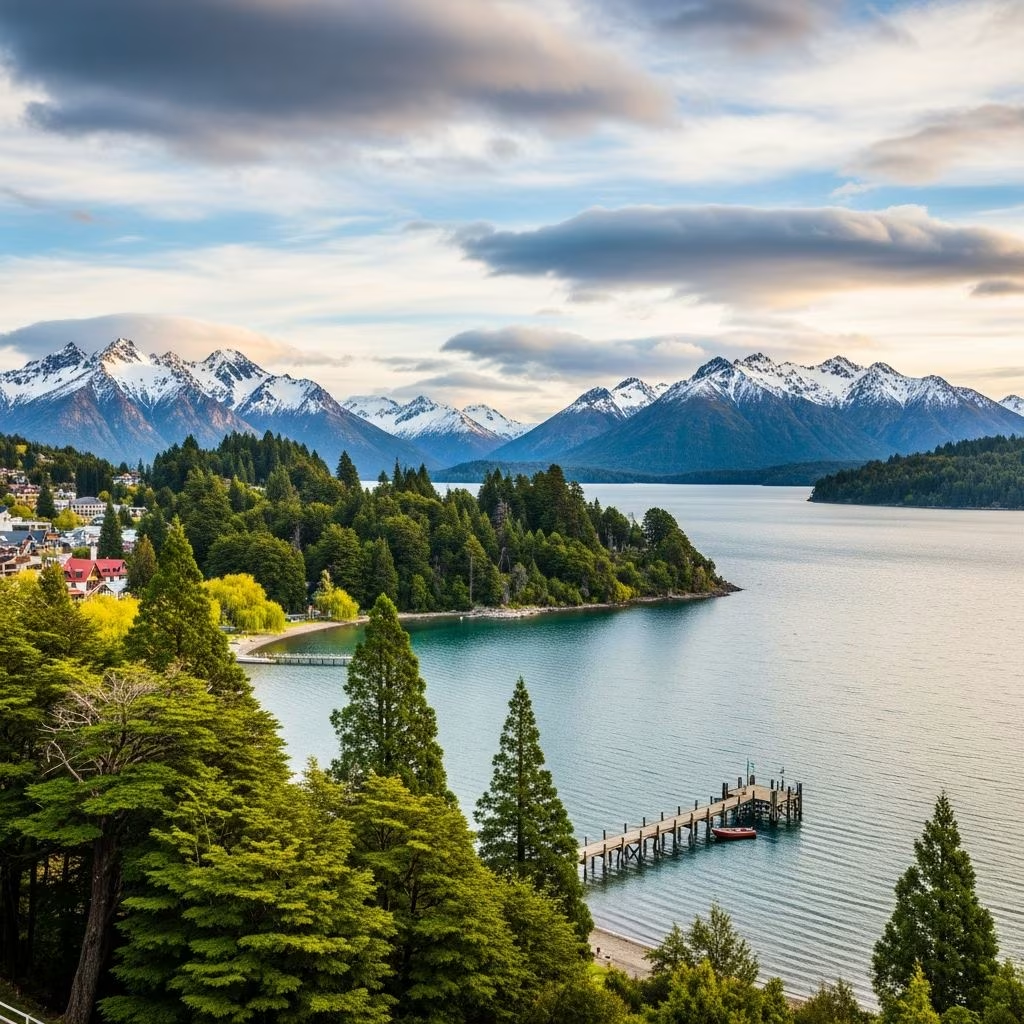
Bariloche, nestled in Argentina’s Patagonia region along the shores of Lake Nahuel Huapi, blends Swiss-inspired architecture with rugged Andean landscapes. This vibrant town serves as a gateway to outdoor adventures, cultural discoveries, and gourmet experiences throughout the year.
Why Visit Bariloche?
Located within Nahuel Huapi National Park, Bariloche offers breathtaking views of glaciers, forests, and snow-capped peaks. Declared Argentina’s Capital of Adventure Tourism in 2012 and Chocolate Capital in 2015, it attracts hikers, skiers, and food lovers alike. Summer brings wildflowers and clear waters, while winter transforms it into a ski haven.
The area’s glacial lakes, including the massive Nahuel Huapi, create a stunning backdrop for activities. Dense lenga forests and volcanic soils support unique flora, making every season rewarding.
Navigating the Heart of the City
Bariloche’s downtown pulses with energy. Start at the Civic Center, a 1940s log-and-stone complex facing Lake Nahuel Huapi. This administrative and tourist hub features the Francisco P. Moreno Museum of Patagonia, showcasing indigenous history, geology, and taxidermy exhibits for a modest fee.
Plaza Civica buzzes with street performers, fairs, and St. Bernard dogs posing for photos. Wander Avenida Bartolomé Mitre, the paved main street lined with cafés, boutiques, libraries, and artisan markets selling handmade jewelry and souvenirs.
- Grab coffee and pastries amid alpine-style buildings from the 1930s Bavarian redesign.
- Visit the tourist office for maps and guided walk options.
- Explore parks and historic structures on a self-guided stroll.
Scenic Drives and Bike Routes: Circuito Chico
The Circuito Chico is a must-do 20km loop from downtown, perfect for driving, biking, or guided tours. It showcases Bariloche’s top sights with panoramic pullouts.
| Stop | Highlight | Activity Tip |
|---|---|---|
| Punto Panoramico | Broad lake and mountain vistas | Ideal photo spot |
| Hotel Llao Llao | Luxury resort with gardens | Book high tea or spa |
| Capilla San Eduardo | Wooden chapel overlooking the port | Free parking uphill |
| Cerveceria Gilbert | Traditional brewery lunches | Try wild boar or goulash at noon |
| Parque Nahuelito | Dinosaur statues | Family-friendly fun |
Rent bikes for a map-marked route or drive for flexibility. Lago Escondido and Mirador Bahia Lopez add hidden gem views.
Iconic Hikes and Viewpoints
Hiking defines Bariloche’s appeal. Cerro Campanario offers Argentina’s most stunning panorama via a 30-minute trail or chairlift. Gaze over lakes, forests, and peaks—especially magical in winter snow.
For multi-hour treks, head to Refugio Frey in Nahuel Huapi National Park, passing lagoons and sheer cliffs. Cerro Otto provides a cable car ascent to a rotating teahouse with 360-degree views; shuttles run from downtown.
- Difficulty: Cerro Campanario (easy), Refugio Frey (moderate-strenuous).
- Best time: Summer for wildflowers, winter for snowscapes.
- Pack layers—Patagonia weather shifts quickly.
Lake Adventures on Nahuel Huapi
Boat tours from Puerto Pañuelo highlight the lake district. The popular Isla Victoria and Parque Nacional de los Arrayanes trip visits a botanical island and velvety red arrayán trees in volcanic soil.
Kayak Moreno Lake for calmer waters or opt for Puerto Blest sailings. These excursions reveal the glacial origins and biodiversity of Patagonia.
Day Trips Beyond the City
Venture to Colonia Suiza for artisan markets, craft beer, and reggaeton fairs. The Seven Lakes Drive links Bariloche to Villa La Angostura, winding through pristine waters and forests.
These routes offer photo ops and roadside eateries, ideal for full-day explorations.
Winter Wonders: Skiing and Snow Sports
Bariloche shines in June-September with world-class skiing at Cerro Catedral, South America’s largest resort. Beyond slopes, enjoy snowshoeing and alpine picnics amid copper lenga trees.
Summer Thrills: Water and Forests
December-March invites kayaking, stand-up paddleboarding, and forest bathing. Fly fishing in crystal streams and mountain biking on trails complement the mild weather.
Gastronomic Delights
Bariloche’s food scene fuses Patagonian flavors with European influences. Savor chocolate from local chocolaterías—over 20 factories produce artisanal bars. Craft breweries like Patagonia Cervecería offer lagers paired with wild boar or trout.
- Must-tries: Jabali al cazador (wild boar stew), fondue, craft cider.
- Dining spots: Gilbert for cabin vibes, lakeside parrillas for asados.
Street fairs feature empanadas and medialunas amid the chocolate capital’s sweet aroma.
Practical Travel Tips
Getting There: Fly into San Carlos de Bariloche Airport (BRC), 15km from town. Buses or taxis connect to the center.
Getting Around: Walk downtown; buses or rentals for outskirts. Taxis are affordable; bikes available for Circuito Chico.
Best Time: Summer (Dec-Mar) for hikes, winter (Jun-Sep) for snow. Shoulder seasons offer fewer crowds.
Accommodations: Range from hostels to Llao Llao luxury. Book ahead for peaks.
Budget: Affordable—meals ~ARS 2000, tours ~ARS 5000-10000 (2026 rates vary).
Frequently Asked Questions (FAQs)
Is Bariloche worth visiting in summer?
Yes, perfect for hiking, boating, and festivals with mild weather and blooming landscapes.
How many days for Bariloche?
4-7 days: 2 for city/Circuito Chico, 2 for hikes/lakes, 1-2 day trips.
Can I visit Bariloche without a car?
Absolutely—buses, tours, and walks cover most attractions.
What’s the weather like?
Variable: Pack layers for rain, wind, and sun year-round.
Is English widely spoken?
Limited outside tourist areas; basic Spanish helps.
Planning Your Perfect Trip
Bariloche captivates with its fusion of adventure, culture, and cuisine. Prioritize Circuito Chico and Cerro Campanario for first-timers, then tailor for seasons. Sustainable practices like park fees support Nahuel Huapi’s preservation.
References
- About Bariloche – Information — Bariloche Turismo Official Website. 2023. https://barilocheturismo.gob.ar/en/about-bariloche
- 10 Awesome Things to Do in Bariloche Argentina — Two For The World. 2023. https://www.twofortheworld.com/things-to-do-in-bariloche-argentina/
- A Local’s Guide to Bariloche — Go Ask A Local. 2023. https://goaskalocal.com/blog/bariloche-travel-guide
- The Backpacker’s Guide to Bariloche, Argentina — The Partying Traveler. 2025-03-04. https://thepartyingtraveler.com/2020/03/04/the-backpackers-guide-to-bariloche-argentina/
- Things to do in Bariloche: A Complete Travel Guide — Sol Salute. 2023. https://solsalute.com/blog/things-to-do-in-bariloche-argentina/
On This Page
Why Visit Bariloche? Navigating the Heart of the City Scenic Drives and Bike Routes: Circuito Chico Iconic Hikes and Viewpoints Lake Adventures on Nahuel Huapi Day Trips Beyond the City Winter Wonders: Skiing and Snow Sports Summer Thrills: Water and Forests Gastronomic Delights Practical Travel Tips Frequently Asked Questions (FAQs) Planning Your Perfect Trip← Previous
Charleston Holiday Guide 2026: Lights, Events & Festive Fun
Next →
Camping in Hungary: Lake Balaton, Glamping & Top Campsites
Related Reading
More in Food & Culture
Food & Culture Food & Culture
 Food & Culture
Best Places to Eat in Rome: Neighborhood Dining Guide
 Food & Culture
 Food & Culture