

 Travel Essentials
 Travel Essentials

Explore the vital role of community tourism in supporting the Batwa, an indigenous group evicted from their ancestral forests, through cultural experiences that foster economic empowerment and environmental protection.
 Travel Essentials
The Batwa, often called the “forest people,” represent one of Uganda’s most marginalized indigenous groups. Once forest dwellers with profound ecological knowledge, they now seek revival through community-led tourism initiatives around Bwindi Impenetrable National Park. These programs offer visitors authentic cultural encounters while generating income for education, health, and conservation.
In the mid-1990s, the creation of Bwindi Impenetrable National Park to protect endangered mountain gorillas led to the eviction of the Batwa from their ancestral lands. This pygmy community had lived sustainably in the forest for centuries, relying on hunting, gathering, and deep environmental wisdom. Without compensation or alternative livelihoods, they faced poverty, discrimination, and loss of cultural identity.
Today, numbering around 6,000 in Uganda, the Batwa live on the park’s periphery in makeshift settlements. Systemic exclusion from education and land rights has perpetuated cycles of hardship. However, their resilience shines through partnerships with NGOs and local organizations that channel tourism revenues into community upliftment.
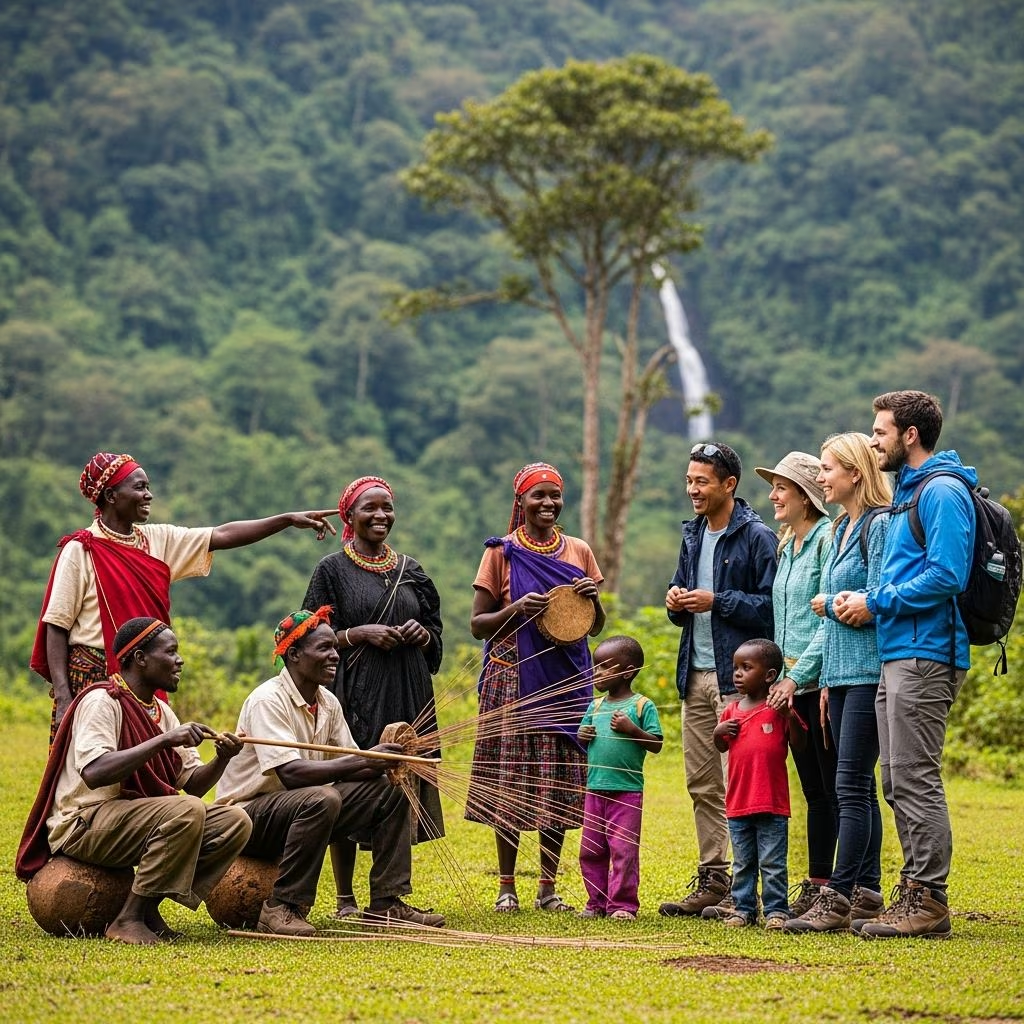
Batwa cultural tourism transcends typical performances, immersing visitors in living traditions. A typical 2-3 hour experience begins with welcoming songs and dances that echo forest rhythms. Elders recount oral histories, demonstrating skills like fire-starting, archery, and herbal medicine preparation.
These activities, often led by trained Batwa youth and elders, last 2-3 hours and pair perfectly with gorilla trekking. Priced affordably, they ensure 80% of profits return to the community for schools, water projects, and health clinics.
Tourism has emerged as a cornerstone for Batwa empowerment. Revenues fund essentials like housing, schooling, and land access, breaking poverty cycles. Organizations like the Batwa Development Program (BDP) and Africa Conservation Programme (ACP) train locals in guiding, crafting, and eco-tourism management.
| Impact Area | Benefits | Example Initiatives |
|---|---|---|
| Education | School fees for children | ACP youth programs |
| Health | Clinic access, clean water | BDP-funded projects |
| Crafts & Income | Direct sales cooperatives | Eco-craft workshops |
| Land Rights | Heritage site development | Kisoro cultural center |
Women, often primary craft makers, gain financial independence. Youth programs instill pride, reducing cultural erosion. In Rushaga and Bugambira, community centers reinvest 80% of earnings locally.
By providing alternatives to poaching or encroachment, tourism aligns Batwa interests with park protection. Their intimate forest knowledge aids reforestation and anti-poaching efforts. ACP’s inclusive model proves that Batwa involvement strengthens gorilla habitat safeguards.
Planting indigenous trees and herbs restores resources while generating eco-tourism appeal. Partnerships with Uganda Wildlife Authority foster dialogue, positioning Batwa as vital conservation partners rather than adversaries.
Despite progress, hurdles remain: landlessness, illiteracy (over 90% in some groups), and stigma. Climate change and tourism fluctuations threaten sustainability. Solutions include scaling training, advocating indigenous rights, and diversifying experiences like night cultural shows or homestays.
Government recognition of Batwa as Uganda’s 65th tribe marks advancement, but implementation lags. Community-led models, like the Batwa Indigenous Empowerment Program, ensure accountability and cultural authenticity.
Book via reputable operators in Buhoma, Ruhija, or Rushaga sectors. Combine with gorilla permits for full immersion. Respect protocols: no photos without permission, support direct purchases, and listen actively. Experiences run daily, dawn to dusk, suiting all ages.
Yes, when community-managed. Profits directly benefit families, and experiences are voluntary, preserving dignity.
It reduces forest pressure by funding alternatives to destructive practices, fostering stewardship.
Absolutely; activities are family-friendly with educational value.
Comfortable shoes, water, insect repellent, and cash for crafts.
Some sites offer homestays; inquire locally.
Engaging with Batwa culture humanizes conservation, revealing the people behind Bwindi’s gorillas. Travelers leave transformed, with stories of resilience fueling global awareness. Sustainable tourism here exemplifies how travel can heal historical wounds while safeguarding biodiversity.
