

 Travel Essentials
 Travel Essentials

High bacteria levels from sewage, runoff, and vibrio are forcing beach closures across the US. Explore affected areas, health dangers, and prevention advice.
 Travel Essentials
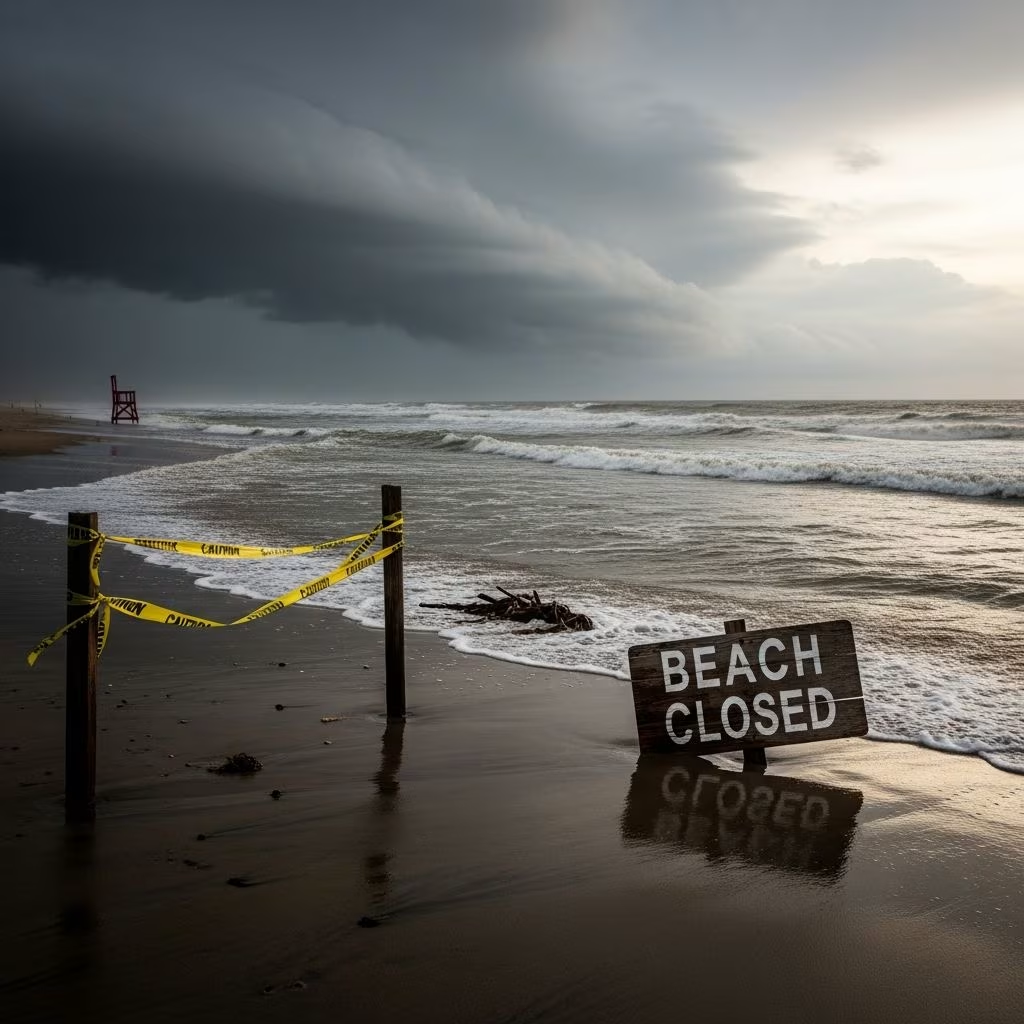
Coastal destinations draw millions for relaxation and recreation, but rising bacteria levels are triggering widespread beach closures and health advisories across the United States. From California’s iconic shores to New England’s family beaches, public health officials are posting warnings to prevent illnesses linked to contaminated waters. These closures highlight ongoing environmental challenges like urban runoff and sewage overflows that compromise water quality during peak vacation seasons.
Elevated bacteria in beach waters stem primarily from human and environmental sources. Stormwater runoff carries pollutants from streets, lawns, and sewers directly into the ocean, especially after heavy rains. Sewage spills, often from overwhelmed infrastructure, introduce fecal matter containing harmful pathogens like enterococcus and E. coli. Warmer summer temperatures exacerbate the issue by promoting the growth of naturally occurring bacteria such as vibrio species.
Los Angeles County health data reveals that bacteria concentrations can spike dramatically post-rainfall, remaining unsafe for up to three days. This runoff effect is nationwide, affecting urban and suburban coastlines alike. In addition, vibrio bacteria thrive in brackish coastal environments from May to October, multiplying rapidly in heat.
Beach advisories span multiple states, disrupting holiday plans and local tourism. Public health departments in California, New York, Massachusetts, Washington, Illinois, Michigan, and beyond monitor sites daily, issuing closures when bacteria exceed state standards.
| State | Affected Beaches/Areas | Reason for Advisory |
|---|---|---|
| California | Santa Monica Beach, Venice Beach, Malibu (Surfrider, Topanga Canyon), Long Beach, San Pedro | Sewage discharge (8M gallons), high enterococcus post-rain |
| New York | Long Island (western/eastern counties) | Excessive bacteria ahead of holidays |
| Massachusetts | Boston-area beaches, Shannon Beach (Winchester) | High bacteria levels, partial closures |
| Washington | Parts of Seattle coastline | Runoff-related contamination |
| Illinois & Michigan | Lake Michigan beaches | Urban runoff and sewage influences |
California’s Los Angeles County lists over a dozen sites under watch, including areas near storm drains where contamination concentrates. Massachusetts saw nearly 20 beaches closed on a single weekend due to unsafe levels.
Exposure to high bacteria levels poses serious risks, particularly through ingestion or open wounds. Common symptoms include gastrointestinal distress—diarrhea, cramps, nausea, vomiting—and skin infections. Vulnerable populations like children, seniors, and immunocompromised individuals face amplified dangers.
Vibriosis, caused by vibrio vulnificus or parahaemolyticus, stands out as potentially life-threatening. The Centers for Disease Control and Prevention (CDC) notes nearly a dozen vibrio strains can lead to severe infections, with symptoms escalating to fever, chills, and septicemia if untreated. Infections occur via swallowing water or cuts exposed during swimming.
| Bacteria Type | Symptoms | Severity Level |
|---|---|---|
| Enterococcus/E. coli | Stomach upset, rashes | Moderate |
| Vibrio (vulnificus) | Wound infections, sepsis | High (potentially fatal) |
Health officials emphasize avoiding water contact near creek mouths or piers, prime bacterial hotspots.
State and local agencies conduct routine sampling, testing for indicator bacteria like enterococcus, which signals fecal contamination. When levels surpass EPA-approved thresholds (e.g., 104 CFU/100mL for enterococcus), advisories or closures activate immediately. Notifications occur via websites, hotlines, and on-site signage.
Los Angeles County’s program, funded partly by the EPA’s Beaches Environmental Assessment and Coastal Health Act, updates statuses in real-time. Rain advisories preemptively warn of 72-hour post-storm risks. Similar systems operate nationwide, with apps and portals like Heal the Bay aiding public checks.
Travelers can minimize risks by staying informed and cautious. Always verify current advisories before heading out—many counties offer mobile-friendly dashboards.
For families, opt for lifeguard-monitored areas and supervise children closely. Boiling or treating water isn’t feasible at beaches, so prevention is key.
Climate change intensifies these problems. Rising sea temperatures extend vibrio seasons, while extreme weather increases runoff volume. Aging sewage infrastructure in coastal cities struggles with population growth and storms, leading to frequent spills—like the 8 million gallons off Long Beach.
Conservation efforts, including wetland restoration and low-impact development, show promise. Public education on pet waste disposal and reduced fertilizer use helps too. Federal initiatives under the Clean Water Act support monitoring and cleanup.
Closures hit hard during peak seasons like Fourth of July, when beaches generate billions in revenue. San Diego and Boston lose visitors to safer alternatives, straining businesses. However, transparent advisories build trust, encouraging returns when conditions improve.
Tourists pivot to boardwalks or inland attractions, but prolonged issues could deter repeat visits. Sustainable practices, like green infrastructure, offer long-term solutions.
Mainly runoff, sewage, and warm temperatures promoting natural bacteria growth.
Children, elderly, and those with weakened immune systems.
Up to 3 days, depending on rainfall intensity.
Usually yes, but avoid water contact; follow posted signs.
County health websites, EPA beach trackers, or apps like Swim Guide.
By prioritizing vigilance and environmental stewardship, beach lovers can enjoy safer outings amid these challenges. Stay updated and swim smart.
