


 Food & Culture
Food & Culture
Beaujolais Wine Region Guide: Crus, Gamay & Travel Tips
Explore Beaujolais' 10 Crus, granite soils, Gamay reds, historic chateaus, and gastronomic delights in this comprehensive guide to France's scenic wine region.
 Food & Culture
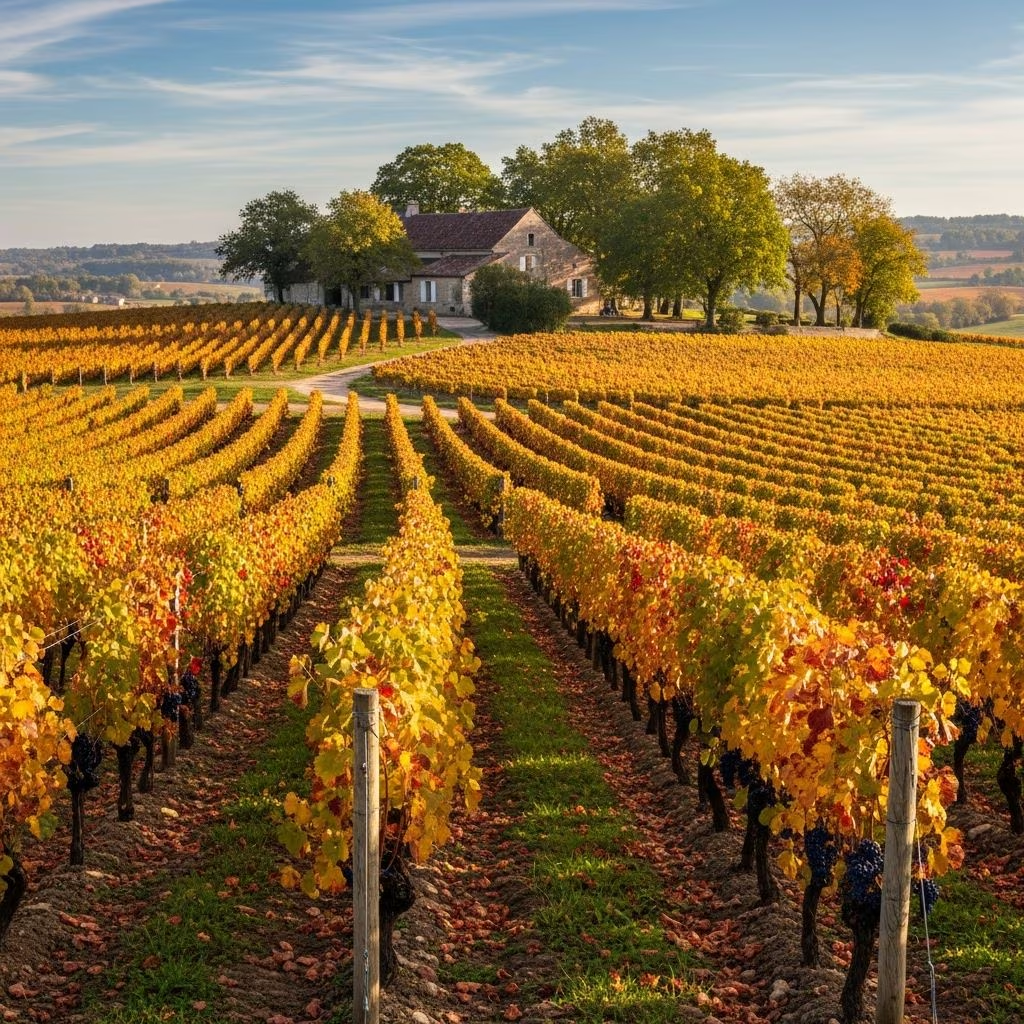
Beaujolais, nestled at the southern edge of Burgundy, captivates with its rolling granite hills, vibrant Gamay wines, and picturesque villages. Spanning roughly 22,000 hectares, this region produces some of France’s most approachable yet sophisticated reds, far beyond the fame of Beaujolais Nouveau. Divided by the Nizerand River into northern Crus and southern basic appellations, Beaujolais offers diverse terroirs—from granite-rich slopes to clay-limestone plains—that shape its unique flavor profiles.
The Geography and Terroirs of Beaujolais
Stretching 34 miles long and 7-9 miles wide between Burgundy and the Rhône, Beaujolais benefits from a mild continental climate with ample sunshine on its west-bank Saône hills. The northern Haut Beaujolais features well-drained granite and schist soils, yielding structured, mineral-driven wines, while southern Bas Beaujolais’ clay-limestone grounds produce softer, fruit-forward styles ideal for early drinking.
- Northern Zone (Haut Beaujolais): Granite-dominated, home to all 10 Crus, fostering elegant, age-worthy Gamay.
- Southern Zone (Bas Beaujolais): Clay soils for lighter, quaffable wines like Beaujolais and Beaujolais-Villages.
- Nizerand River Divide: Marks the shift from premium Crus north to Nouveau-focused south.
These terroirs, combined with south-facing slopes, create ideal conditions for Gamay, the region’s star grape, known for its bright acidity, low tannins, and explosive red fruit notes.
Mastering Gamay: The Heart of Beaujolais Wines
Gamay thrives here, producing 90% reds with flavors of raspberry, cherry, and sometimes banana from carbonic maceration—a gentle whole-cluster fermentation preserving freshness. Unlike tannic Cabernet, Beaujolais shines young but excels in Crus with aging potential up to 10 years.
| Appellation Level | Key Traits | Flavor Profile |
|---|---|---|
| Beaujolais AOP | Southern, basic level | Grapey, refreshing, low tannin |
| Beaujolais-Villages | 38 northern villages | More structure, red berries |
| 10 Crus | Premium northern sites | Complex, mineral, age-worthy |
White wines from Chardonnay and rare Aligoté add diversity, but reds dominate.
Spotlight on the 10 Crus of Beaujolais
From north to south, the 10 Crus each express Gamay uniquely through micro-terroirs. Working through them offers an unforgettable tasting journey.
St-Amour: Romantic and Floral
The northernmost Cru, St-Amour delivers light, perfumed wines with strawberry and violet aromas—perfect for Valentine’s.
Juliénas: Bold and Spicy
Named after Julius Caesar, these pebbly soils yield robust, kirsch-infused reds with peppery edges.
Chénas: Oaky Elegance
The largest Cru, Chénas offers wild berries, rose, and subtle oak for a velvety texture.
Moulin-à-Vent: The King of Beaujolais
On manganese-rich granite, these powerful wines age like Burgundy Pinot, with dark fruit and earth.
Fleurie: The Queen of Grace
High-altitude slopes produce floral, peachy beauties—iris, rose, and red fruits define this feminine star.
Chiroubles: High and Ethereal
Beaujolais’ highest vineyards craft delicate, violet-scented wines of pure elegance.
Morgon: Dense and Powerful
Cherry-pit ‘Morgonness’ emerges after 3-5 years; granite soils build structure.
Régnié: Fresh and Exciting
The youngest Cru (1988), it blends granite and limestone for vibrant, light-fruited gems.
Brouilly: Fruity and Approachable
Around Mont Brouilly, these yield juicy, berry-packed wines for immediate joy.
Côte de Brouilly: Volcanic Intensity
Volcanic blue granite slopes produce spicier, more robust versions than Brouilly.
Planning Your Beaujolais Wine Tourism Adventure
With over 2,000 producers, Beaujolais invites immersive tastings amid scenic beauty. Rent a car or join bike tours through vine-covered hills—la petite Toscane awaits.
- Key Villages: Fleurie for elegance, Morgon for depth, Brouilly for volume.
- Historic Gems: Château de la Chaize’s ancient cellars; Château de Corcelles’ medieval tours.
- Château de la Terrière: Mineral, floral wines from diverse plots.
Visit during Beaujolais Nouveau release (third Thursday in November) for festive caves ouvertes.
Gastronomy: Pairing Beaujolais with Local Flavors
Beaujolais cuisine emphasizes hearty, local ingredients: saucisson, poulet au vinaigre, and tarte aux poires. Gamay’s acidity cuts rich charcuterie and cheeses like Saint-Marcellin.
- Classic Matches: Chiroubles with roast chicken; Morgon with pork; Fleurie with salmon.
- Festivals: Tableaux Vivants in Romanèche-Thorins showcases food-wine synergy.
Practical Travel Tips for Beaujolais
Accessible via Lyon (1 hour drive) or TGV to Villefranche-sur-Saône. Stay in boutique inns or chateaus; spring-fall ideal for hiking the Pierres Dorées golden stone trails.
| Best Time to Visit | Weather | Events |
|---|---|---|
| Spring (Apr-Jun) | Mild, blooming | Vineyard tours |
| Fall (Sep-Nov) | Harvest colors | Nouveau festivities |
| Summer | Warm, festivals | Outdoor dining |
Frequently Asked Questions (FAQs)
What makes Beaujolais wines unique?
Gamay grape, carbonic maceration, and granite soils create fresh, fruity reds with minerality.
Which Cru should beginners try?
Brouilly or Fleurie for easy, delicious entry points.
Is Beaujolais only about Nouveau?
No—Nouveau is fun, but Crus offer complexity and aging potential.
How to get around Beaujolais?
Drive, cycle, or use organized tours; public transport limited.
Pairing tips for Gamay?
Charcuterie, poultry, cheese—its acidity handles richness.
Why Beaujolais Deserves Your Next Trip
Underrated yet rewarding, Beaujolais blends wine excellence, natural beauty, and authentic French charm. From Cru tastings to hillside hikes, it’s a sensory delight for oenophiles and travelers alike.
References
- Beaujolais Wine Region Guide — Cellar Tours. 2023. https://www.cellartours.com/france/french-wine-regions/beaujolais
- A Guide to the 10 Crus of Beaujolais — Flatiron Wines & Spirits. 2023. https://flatiron-wines.com/blogs/the-latest/a-guide-to-the-10-crus-of-beaujolais
- Beaujolais Wine Region Guide — WineTourism.com. 2024. https://www.winetourism.com/wine-region/beaujolais/
- The Secret to Finding Good Beaujolais Wine — Wine Folly. 2023. https://winefolly.com/deep-dive/beaujolais-wine-region-map/
- The Ultimate Beaujolais Guide — Vioneers. 2023. https://vioneers.com/en/blogs/vioneers-blog/der-ultimative-beaujolais-guide
- A First-Time Guide to Beaujolais — Lonely Planet. 2023. https://www.lonelyplanet.com/articles/guide-to-beaujolais
On This Page
The Geography and Terroirs of Beaujolais Mastering Gamay: The Heart of Beaujolais Wines Spotlight on the 10 Crus of Beaujolais Planning Your Beaujolais Wine Tourism Adventure Gastronomy: Pairing Beaujolais with Local Flavors Practical Travel Tips for Beaujolais Frequently Asked Questions (FAQs) Why Beaujolais Deserves Your Next Trip← Previous
Bermuda Travel Guide: Best Beaches, Things to Do & Tips
Next →
Best Bogotá Neighborhoods to Stay in for Every Travel Style
Related Reading
More in Food & Culture
Food & Culture Food & Culture
 Food & Culture
Best Places to Eat in Rome: Neighborhood Dining Guide
 Food & Culture
 Food & Culture