

 Travel Essentials
 Travel Essentials

Plan your first hiking or camping trip with simple trail tips, essential gear, packing advice, and safety basics for a confident start.
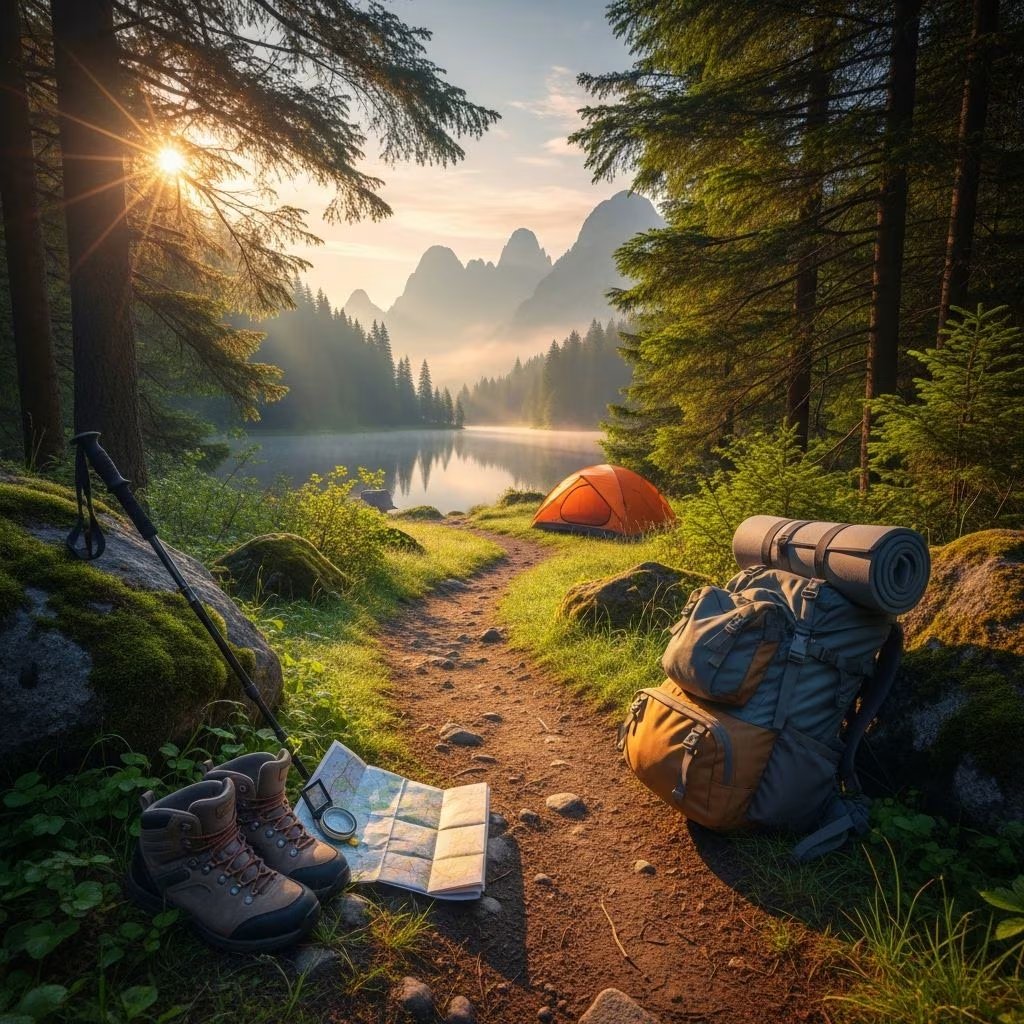 Travel Essentials
Stepping into the world of hiking and camping opens doors to breathtaking landscapes, physical challenges, and profound connections with nature. For newcomers, the prospect can feel overwhelming, but with proper preparation, it becomes an accessible and exhilarating pursuit. This guide equips you with foundational knowledge to plan, execute, and enjoy your initial outings, drawing from established best practices to minimize risks and maximize rewards.
Before lacing up your boots, decide on the type of experience that suits your comfort level. Day hikes involve returning to your vehicle or lodging by evening, ideal for testing endurance without overnight commitments. Overnight backpacking requires carrying all necessities in a pack, demanding more stamina and skill. Car camping offers convenience, allowing transport of heavier gear to developed sites with amenities like restrooms and water access. Frontcountry sites provide a gentle introduction, while backcountry demands self-sufficiency in remote areas.
Start simple: opt for local state parks or national forests within a short drive. These locations often feature marked trails, flat terrain, and facilities that ease the learning curve. Progress to multi-day treks as confidence grows, always matching ambition to ability.
Trail choice sets the tone for success. Beginners should target easy-rated paths under 5-10 miles, with minimal elevation gain and clear signage. Use apps, park websites, or guidebooks to scout options; note distance, difficulty, water availability, and campsite locations.
Share your itinerary with a trusted contact, including expected return time, to enhance safety.
Gear forms the backbone of any trip. Prioritize lightweight, durable items suited to three-season use (spring, summer, fall). Invest in quality to avoid discomfort or failure in the field.
| Category | Key Items | Why It Matters |
|---|---|---|
| Navigation | Maps, compass, GPS app, guidebook | Prevents getting lost; backup for dead batteries |
| Clothing (Layering System) | Hiking boots, synthetic base layers, fleece mid-layer, waterproof shell, socks (one pair/day), hat, gloves, camp sandals | Adapts to rapid weather shifts; wicks moisture |
| Shelter & Sleep | Freestanding tent with rainfly, sleeping bag (20-30°F rating), inflatable pad | Protects from elements; ensures restful sleep |
| Kitchen & Hydration | Stove, fuel, cookware, water filter/purifier, bottles (3L capacity) | Safe meals and clean water intake |
| Essentials (Ten Essentials) | First aid kit, headlamp, firestarter, multitool, duct tape, trowel, sun protection, emergency blanket | Handles emergencies; core survival needs |
Pack a dedicated sleep kit with clean clothes to avoid cooking odors attracting wildlife. Test all gear at home: pitch the tent in your yard, practice stove ignition, and break in boots on short walks.
Efficiency prevents fatigue. Aim for a pack under 30% of body weight; use compression sacks for clothes and dry bags for electronics. Organize by accessibility: snacks and layers in top pockets, rain gear quick-grab. Food hangs in a bear bag or uses Ursack for wildlife protection. Water planning is critical—carry 1L per 4 miles, treat all sources.
Preparation builds competence. Condition with local hikes, gradually increasing distance. Practice cathole digging (6-8 inches deep, 200 feet from water), fire building, and water purification. Master Leave No Trace: travel on durable surfaces, pack out waste, minimize campfire impact.
Stay oriented using map and compass; apps supplement but aren’t reliable alone. Maintain a steady pace—conversational breathing indicates sustainability. Take 5-10 minute breaks hourly for snacks and hydration. Watch for hazards like loose rocks, stream crossings, or sudden storms.
Arrive with daylight to spare. Choose flat, drained sites away from dead trees (widowmakers). For developed sites, use picnic tables and fire rings. Pitch tent high and dry, guy lines taut. Cook 100 yards from sleeping area; store food elevated and scented items distant. Hammocks suit forested areas with trees 15-20 feet apart.
Opt for no-cook or simple rehydratable meals to reduce weight and risk. Caloric needs rise to 3,000-4,000 daily; pack high-energy snacks like nuts, bars, cheese. Boil or filter water; avoid streams near trails. Douse fires completely—drown, stir, drown again.
Prevention trumps cure. Inform someone of plans; carry whistle, signal mirror. Recognize distress: confusion signals hypothermia; rapid pulse, heatstroke. First aid kit should include bandages, antiseptics, tweezers, medications. In injury, stabilize, protect from elements, seek help via phone or yell. Weather monitoring via apps prevents exposure.
Forecasts guide packing. Layer for versatility: base wicks sweat, mid insulates, shell repels rain. Summer demands sunblock, bug dope; winter adds insulation, traction devices. Rain? Ponchos over packs; seek shelter early.
Leave No Trace preserves beauty. Camp on established pads, walk single-file on trails. Bury waste properly; pack trash. View wildlife from afar—feeding harms both parties.
Avoid overpacking by listing ruthlessly. Underestimate fitness at peril—train specifically. Nighttime cold surprises; rate bags conservatively. Buddy system amplifies fun and safety.
Focus on the Ten Essentials plus shelter, sleep system, and extra food/water. See the gear table above for details.
Prioritize frontcountry with amenities; ensure flat, dry ground free of hazards.
Check nps.gov for national parks; many require advance booking, especially peak season.
Use waterproof gear, pitch tent with taut rainfly, cook under tarp. Stay dry to avoid chills.
Break in boots, use liner socks, moisturize feet, stretch post-hike.
Your debut fuels growth. Journal experiences, upgrade gear incrementally. Join clubs for guided trips. Soon, multi-day epics await.
