

Food & Culture Stays Travel Essentials Travel Guides Trip Ideas
Categories
From the Blog
Remy’s Ratatouille Adventure at EPCOT: Ride Review, Tips & 2D Update
Travel Essentials

Beginner’s Guide to Trekking in the Indian Himalayas

Discover beginner-friendly treks, fitness training, gear essentials, acclimatization techniques, and cultural tips for your inaugural adventure in India's majestic Himalayan ranges.
Travel Essentials

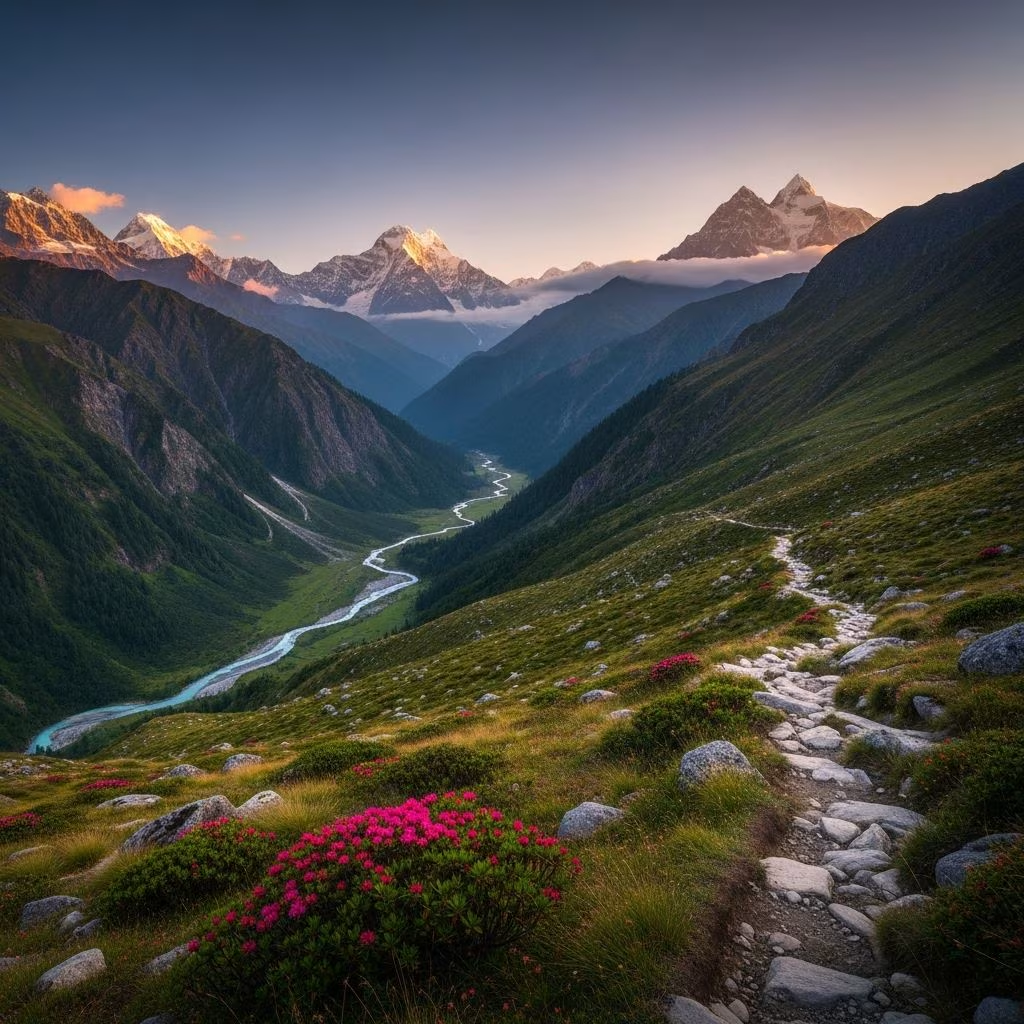
The Indian Himalayas offer breathtaking landscapes, from snow-capped peaks to lush valleys, making them an ideal destination for novice trekkers seeking adventure. This guide equips beginners with practical advice drawn from reliable trekking resources to ensure a safe and rewarding experience.

Selecting the Perfect Introductory Route

Choosing an appropriate trail is crucial for first-timers to build confidence without overwhelming challenges. Opt for moderate paths that provide support infrastructure, clear paths, and emergency access rather than remote, high-risk expeditions.

  • Gaumukh Tapovan: A scenic journey to the Gangotri Glacier source, suitable for those with basic fitness, featuring gradual ascents and stunning ice views.
  • Hampta Pass: Connects lush Kullu Valley to arid Spiti, offering diverse terrain and moderate difficulty with porter availability.
  • Valley of Flowers: UNESCO site blooming with alpine flora in summer, ideal for nature lovers with relatively flat sections post-initial climb.
  • Kuari Pass: Offers panoramic views of Nanda Devi sanctuary, with well-marked trails and teahouse stops.
  • Markha Valley: In Ladakh, combines cultural villages with high passes, perfect for acclimatization practice.

Consider seasonal factors: summer (May-September) for most regions, avoiding monsoons in lower areas. Match difficulty to your fitness—easy-moderate treks demand respect for high altitude despite shorter distances.

Building Fitness for High-Altitude Demands

Physical preparation prevents fatigue and injury on uneven terrain. Start training 8-12 weeks ahead with consistent cardio and strength work.

Training TypeFrequencyFocus Areas
Walking/Hiking4-5 days/weekHilly terrain, backpack (8-10kg), trekking poles
Gym Workouts3 days/weekIncline treadmill, cross-trainer, squats, lunges
Balance PracticeDailySingle-leg stands, uneven surfaces
Mental PrepOngoingVisualization, stress management

Walk in your intended boots to avoid blisters. Even office workers can improve via stairs, brisk walks, and basic exercises. Expect Himalayan treks to feel tougher than flat hikes due to altitude and climbs—train accordingly.

Essential Gear and Packing Essentials

Prioritize functional, broken-in items over trendy gear, as mountain weather shifts rapidly. Rent where possible, but carry critical personal items.

  • Footwear: Waterproof mid-ankle boots with good grip; break them in pre-trek.
  • Clothing Layers: 3-5 lightweight thermals, fleece, waterproof jacket/pants; quick-dry socks.
  • Sleep System: 4-season sleeping bag (-10°C rating), inflatable mat.
  • Accessories: Sunglasses (UV400), sunhat, gloves, water bottle, headlamp, power bank, first-aid kit (blister pads, painkillers, altitude meds).
  • Hygiene/Safety: Water purification tablets, hand sanitizer, lip balm, multi-tool, whistle.

Pack light (10-12kg total) using stuff sacks for organization. Locally source umbrellas for rain/sun protection. Double-check agency inclusions.

Mastering Acclimatization to Avoid Altitude Sickness

Acute Mountain Sickness (AMS) affects most above 3,000m; prevention is key via gradual ascent.

  1. Sleep no more than 400-600m higher nightly above 3,000m.
  2. Incorporate rest days every 1,000m gain above 3,500m.
  3. Follow “climb high, sleep low”: day-hike higher, return to lower camp.
  4. Hydrate (4-5L/day), eat carbs, avoid alcohol/tobacco.
  5. Monitor symptoms: headache, nausea—descend if severe.

Permits and insurance covering evacuation are mandatory; hire local guides for navigation, as GPS/maps falter in remotes.

Daily Strategies for a Smooth Trek

Success hinges on pacing, mindset, and habits.

  • Pacing: Adopt tortoise pace—short steps, deep breaths; match locals, rest minimally.
  • Timing: Start pre-dawn, finish by dusk to avoid darkness risks.
  • Mindset: Stay positive; build buffer days for weather/illness.
  • River Crossings: Keep boots on for stability.
  • Essentials Pouch: Jacket, socks, hat always accessible.

Protect gear in waterproof bags; use porters ethically with fair tips (10% budget).

Embracing Local Culture and Regulations

Respect enhances experiences: learn basic Hindi/Ladakhi phrases, support homestays, avoid litter. Restricted areas need Inner Line Permits; ban drones/satellite phones in sensitive zones. Dress modestly, seek permission for photos.

Budgeting and Logistics Planning

Independent: Guide/porters/food/transport—double estimates. Agency: Add 10% tips. Factor flights to Delhi/Dehradun, buses to trailheads. Contingencies: weather delays, gear repairs.

Common Pitfalls and How to Sidestep Them

Avoid rushing acclimatization, under-training, heavy packs, or ignoring weather. Even “easy” treks challenge due to altitude—prepare mentally.

Frequently Asked Questions (FAQs)

What’s the best season for beginner treks?

May-June and September-October offer stable weather; avoid monsoons (July-August) except high deserts.

Do I need prior trekking experience?

No, but basic fitness and preparation suffice for moderate routes.

How much does a 7-day trek cost?

$500-1,200 USD including guide/porters/meals, varying by region.

What if I get altitude sickness?

Descend immediately; carry Diamox if prescribed, prioritize hydration.

Can solo females trek safely?

Yes, with reputable groups/guides; stick to populated trails.

References

  1. Foreigners Guide to the First Trek in the Indian Himalayas — Himalayan Dream Treks. 2023. https://himalayandreamtreks.in/blog/first-trek-in-the-indian-himalayas-complete-guide-for-foreigners/
  2. Trekking the Himalaya: A Beginner’s Guide — Exodus Travels. 2024-04-15. https://www.exodustravels.com/us/insights/the-beginners-guide-to-trekking-in-the-himalaya
  3. Expert tips for your first trek to the Indian Himalaya — Lonely Planet. 2023-09-12. https://www.lonelyplanet.com/articles/expert-tips-for-your-first-trek-to-the-indian-himalaya-2
  4. Preparing for your First Himalayan Trek — The Travelling Slacker. 2022-11-08. https://travellingslacker.com/preparing-for-your-first-himalayan-trek/
  5. Choosing Your First Himalayan Trek (Made Easy) — YouTube (Trek With Swathi). 2024-02-20. https://www.youtube.com/watch?v=Dq9X2Pou1sA
SN
Sneha Tete
Sneha is a relationships and lifestyle…

Sneha is a relationships and lifestyle writer with a strong foundation in applied linguistics and certified training in relationship coaching. She brings over five years of writing experience to CultureTreker,  crafting thoughtful, research-driven content that empowers readers to build healthier relationships, boost emotional well-being, and embrace holistic living.Her writing and insights reflect the belief that beauty, happiness, and wellness begin from within, through the harmonious balance of the mind, body, and heart. With a background in instructional design and research writing, Sneha transforms complex topics into practical insights that are easy to understand and apply.Sneha has also self-published a novella on adolescent mental health, highlighting her ability to navigate emotionally layered topics with nuance and empathy. When she's not writing, you'll find her exploring storytelling through photography, diving into K-dramas, or enjoying quiet moments with her family and friends.

← Previous
Azores Island Hopping Guide: Best Islands, Itineraries & Tips
‹›
