


 Food & Culture
Food & Culture
Beirut Travel Guide: History, Food, Nightlife & Neighborhoods
Explore Beirut’s layered history, vibrant neighborhoods, Levantine food, and resilient spirit in a city where old and new meet beautifully.
 Food & Culture
Beirut stands as a testament to human endurance and cultural fusion, a city where millennia of history intertwine with contemporary energy. Nestled along the Mediterranean coast, it pulses with life despite cycles of destruction and rebirth, drawing travelers with its unyielding charm and multifaceted identity.
The Enduring Layers of History
Beirut’s story spans over 5,000 years, marked by influences from Phoenicians, Romans, Greeks, Ottomans, and French colonial powers. This ancient port city has been razed and rebuilt multiple times, each era leaving indelible architectural and cultural imprints that define its character today.
The Phoenicians established it as a vital maritime hub, trading silk and goods across the Mediterranean. Roman ruins like the Hippodrome and Baths of Heliopolis whisper of grand spectacles and public life. Ottoman-era developments transformed it into a bustling commercial center, with efficient administration fostering trade empires that linked Europe and the East.
- Phoenician Foundations: Origins as a seafaring powerhouse, exporting luxury textiles.
- Roman Grandeur: Amphitheaters and thermal complexes amid urban expansion.
- Ottoman Commerce: Port upgrades and neighborhood connectivity boosting global trade.
- French Mandate: Modern boulevards and institutions blending Eastern and Western styles.
These layers create a palimpsest of history, where walking Beirut’s streets feels like traversing epochs. Modern reconstructions, such as the Beirut Terraces, echo this by incorporating terraces, vegetation, and light to symbolize layered identities and future hopes.
Contrasts That Define the Cityscape
Beirut thrives on stark juxtapositions: gleaming high-rises pierce the skyline beside bullet-scarred facades, luxury yachts dock near informal markets, and opulent cafes hum alongside resilient street vendors. These disparities, intensified by economic challenges, underscore the city’s dynamic soul rather than diminishing it.
| Aspect | Modern Glamour | Historical Grit |
|---|---|---|
| Architecture | Sleek towers with terraces | Roman ruins and Ottoman alleys |
| Lifestyle | High-end dining and clubs | Street food and souks |
| Society | Cosmopolitan elites | Multicultural working class |
This duality fosters a unique cosmopolitanism, blending Arab traditions with Mediterranean flair, liberal attitudes rooted in diverse religious influences from Christianity, Islam, and beyond.
Vibrant Neighborhoods to Wander
Each district offers a distinct flavor of Beirut’s essence. Hamra buzzes with intellectual cafes and bookstores, a nod to its university-driven vibrancy. Gemmayzeh and Mar Mikhael charm with graffiti-adorned walls, artisanal shops, and hidden bars tucked into restored Ottoman houses.
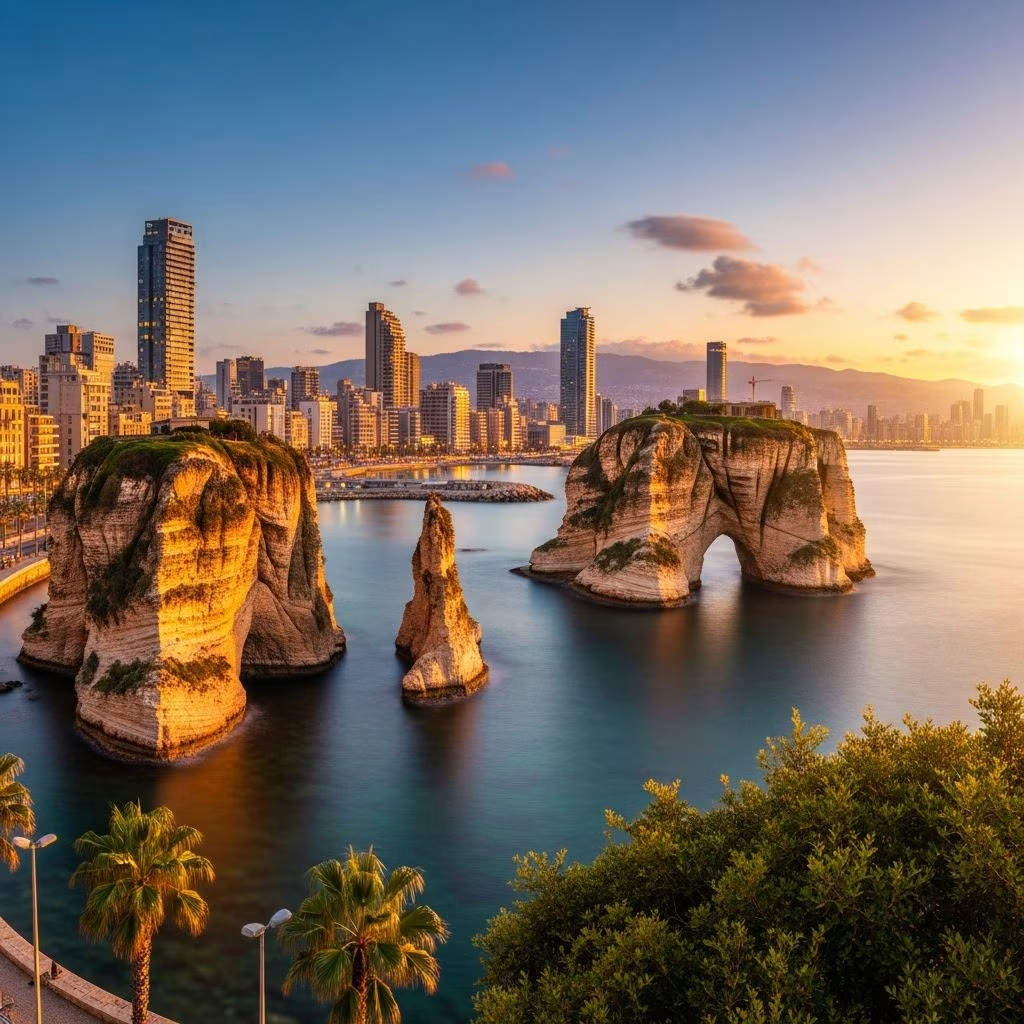
Achrafieh exudes upscale residential elegance with manicured streets and panoramic views, while Downtown’s Saifi Village mixes souks with contemporary galleries. The Corniche promenade invites sunset strolls, where locals jog, fish, and savor sea breezes amid Pigeons’ Rock formations.
- Hamra: Student haunts and political discourse.
- Gemmayzeh: Artistic revival post-conflict.
- Corniche: Public leisure and natural beauty.
- Downtown: Revitalized commercial core.
These areas showcase Beirut’s ability to heal and innovate, turning scars into canvases for creativity.
Culinary Treasures of the Levant
Beirut’s food scene is a love letter to Levantine cuisine, elevated by fresh seafood, mezze platters, and innovative fusions. Manakish with za’atar, grilled halloumi, and tabbouleh burst with herbs from nearby mountains. Kibbeh nayyeh, raw lamb bulgur, exemplifies bold flavors.
Street carts offer shawarma wraps and falafel, while fine dining spots like EM transform sesame paste into molecular gastronomy. Coffee culture thrives in retro roasteries, pairing arabica with cardamom alongside pastries. Don’t miss seaside spots for fresh fish amid crashing waves.
- Mezze essentials: Hummus, baba ghanoush, fattoush salad.
- Seafood delights: Squid ink pasta, octopus carpaccio.
- Sweets: Knafeh cheese pastry, rosewater loukoum.
This gastronomy reflects the city’s multicultural fabric, with influences from Syrian, Palestinian, and Armenian communities enriching every bite.
Nightlife That Never Sleeps
As dusk falls, Beirut ignites into a hedonistic playground. Underground clubs in industrial zones pulse with electronic beats, rooftop lounges offer skyline vistas with craft cocktails, and beach resorts host foam parties under stars.
Live music venues feature oud players blending Arabic maqam with jazz, drawing diverse crowds. BCD (Beirut Central District) bars mix expats and locals in lively debates over arak shots. This scene embodies the city’s unassailable spirit, where joy defies adversity.
The Unbreakable Spirit of Beirutis
At Beirut’s core are its people—resilient, hospitable, and optimistic. Despite wars, economic crises, and explosions, they rebuild with humor and generosity. Younger generations, shaped by displacement yet hopeful, drive cultural renaissance through art festivals and startups.
Multireligious harmony prevails: churches, mosques, and shrines coexist, fostering tolerance. Personal stories of loss and revival infuse daily interactions, making strangers into instant friends over shared meals. This humanity is Beirut’s greatest draw.
Practical Tips for Your Beirut Adventure
Visit year-round, but spring and fall offer mild weather. Use ride-hailing apps like Bolt for navigation; English is widely spoken. Bargain in souks, respect dress codes at religious sites, and try home-cooked meals via Airbnb Experiences. Safety varies—stick to populated areas and check advisories.
| Best Time | Weather | Events |
|---|---|---|
| Spring (Mar-May) | 20-25°C | Flower shows, festivals |
| Fall (Sep-Nov) | 22-28°C | Beirut International Film Fest |
| Summer | 30°C+ | Beach parties |
Frequently Asked Questions
Is Beirut safe for tourists?
While challenges persist, tourist areas are generally secure with normal precautions. Focus on central neighborhoods and avoid protests.
What should I eat first in Beirut?
Start with a mezze spread featuring fresh tabbouleh and grilled meats for an authentic taste.
How do I get around?
Ride-hailing services, taxis, or walking in compact areas work best; public buses are less reliable.
What’s the best neighborhood to stay in?
Gemmayzeh or Hamra for vibrant access to eateries and nightlife.
Can I visit historical sites easily?
Yes, sites like the National Museum and Roman Baths are centrally located and accessible.
Embracing Beirut’s Future Promise
Beirut’s architecture and people symbolize pain transformed into promise. Designs like terraced complexes integrate history with sustainability, mirroring communal aspirations for stability. As a crossroads of cultures, it continues to inspire, proving that spirit triumphs over ruin.
References
- My City: Beirut | Roadbook — Roadbook. 2023. https://roadbook.com/beirut/city-guide/my-city-essay/
- I Love This Place: Beirut, Lebanon — The Art of Simple. 2022-10-15. https://www.theartofsimple.net/beirut-lebanon/
- Beirut Guide: A Symphony of Historical and Modern Architecture — Parametric Architecture. 2024-05-20. https://parametric-architecture.com/beirut-city-guide/
- The City of Living Memories: Beirut — The Urban Anecdotes. 2023-08-10. https://www.the-urban-anecdotes.com/post/beirut
On This Page
The Enduring Layers of History Contrasts That Define the Cityscape Vibrant Neighborhoods to Wander Culinary Treasures of the Levant Nightlife That Never Sleeps The Unbreakable Spirit of Beirutis Practical Tips for Your Beirut Adventure Frequently Asked Questions Embracing Beirut's Future Promise← Previous
Slow Food in Italy: History, Philosophy and Regional Cuisine
Next →
Arouca 516 Bridge: Portugal’s Longest Suspension Bridge
Related Reading
More in Food & Culture
Food & Culture Food & Culture
 Food & Culture
Best Places to Eat in Rome: Neighborhood Dining Guide
 Food & Culture
 Food & Culture