


 Food & Culture
Food & Culture
Belgian Beer Guide for Beginners: Styles, Tasting & Pairings
Explore iconic Belgian beer styles like tripels, saisons, and lambics, learn proper pouring techniques, and discover top breweries and cafes for newcomers.
 Food & Culture
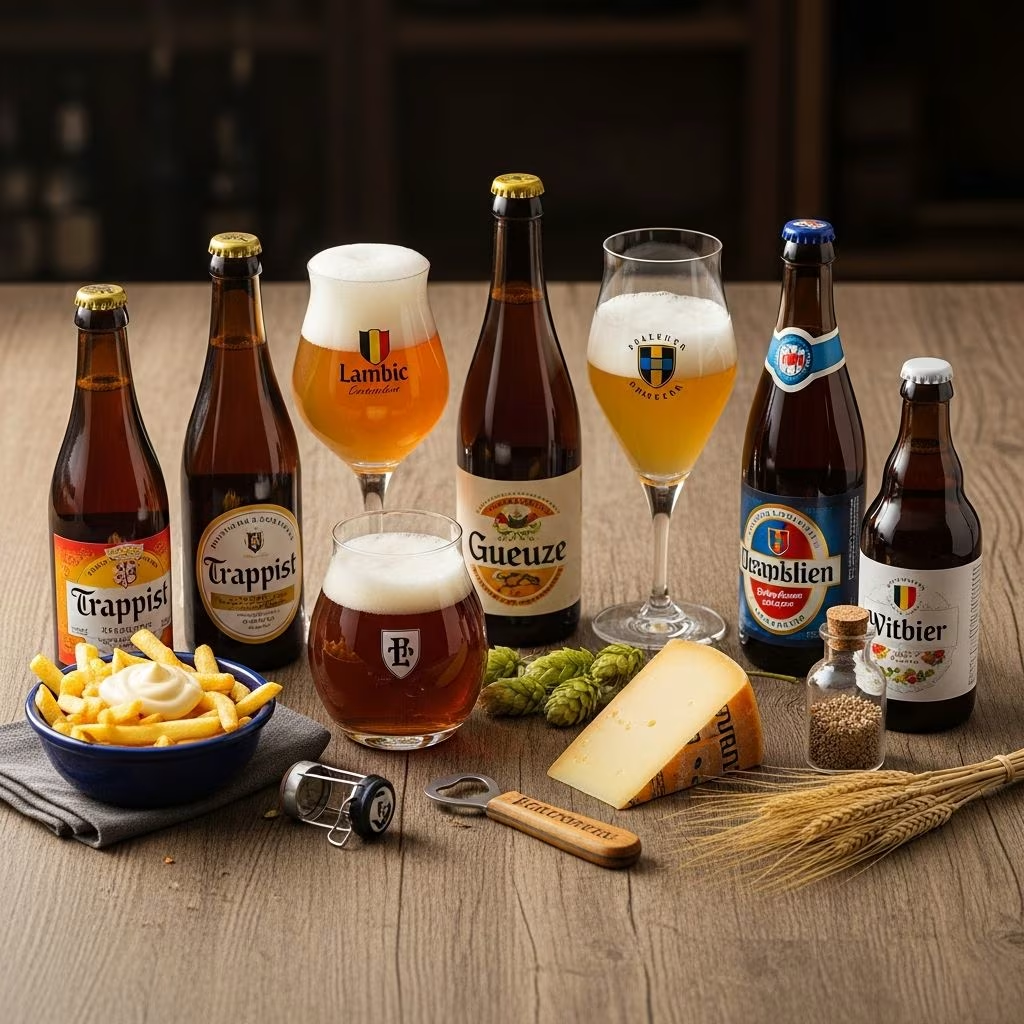
Belgian beer stands out globally for its diverse flavors, innovative brewing methods, and deep cultural roots. From fruity ales to sharply tart sours, newcomers can navigate this vibrant scene with basic knowledge of key styles and traditions.
The Unique Heritage of Belgian Brewing
Belgium’s brewing legacy spans over a millennium, shaped by monastic traditions and regional innovations. Monks refined techniques that emphasize yeast-driven complexity, while farmers created rustic styles for seasonal workers. This history yields beers with higher alcohol content—often 6% to 10% ABV—compared to many international counterparts, balancing richness with drinkability.
Distinctive elements include bottle conditioning, where secondary fermentation adds carbonation and depth, and spontaneous fermentation for lambics, exposing wort to wild yeasts. These practices produce aromas of spice, fruit, and earth, setting Belgian beers apart.
Core Beer Styles for Newcomers
Belgium boasts over a dozen recognized styles, but starting with classics builds appreciation. Focus on these representatives of malt, strength, spice, and sourness.
Malty and Dark: Dubbel
Dubbels offer a smooth, dark profile with notes of dried fruits like raisins, figs, and plums, alongside hints of chocolate and caramel. Typically 6% to 8% ABV, they provide mid-strength warmth without overwhelming sweetness, thanks to a crisp finish.
- Appearance: Mahogany brown with a persistent tan head.
- Flavor profile: Toasty malt base, subtle yeast esters.
- Pairing ideas: Roasted meats, stews, or aged cheeses.
Golden Powerhouses: Tripel
Tripels appear pale and inviting but pack 8% to 10% ABV. Expect pear, honey, and white pepper aromas, evolving into a dry, spicy finish that belies their potency. This style showcases attenuation, where yeasts consume sugars fully for balance.
- Key traits: High carbonation, effervescent mouthfeel.
- Best with: Seafood, poultry, or spicy cuisine.
Crisp and Peppery: Saison
Originating as farmhand refreshment, saisons deliver 5% to 7.5% ABV with lemon, pepper, and herbal notes from unique yeasts and noble hops. Their dryness and high fizz make them versatile session beers.
| Style | ABV Range | Signature Flavors | Ideal Glass |
|---|---|---|---|
| Saison | 5-7.5% | Citrus, pepper, herbs | Tulip or wide-mouthed |
| Dubbel | 6-8% | Dark fruit, malt, cocoa | Chalice |
| Tripel | 8-10% | Pear, spice, dry finish | Tall goblet |
Tart Elegance: Flanders Red and Lambic
Flanders reds (5-6.5% ABV) blend oak-aged tartness with cherry and balsamic notes, offering approachable sourness. Lambics, spontaneously fermented near Brussels, range 4.5-6% ABV with earthy, funky complexity; gueuze blends young and old for effervescent sharpness.
These sours challenge palates but pair brilliantly with desserts or bold flavors.
Other Notable Styles
- Blond/Golden Strong: Citrus-spiced, 7-9% ABV, hoppier than tripels.
- Witbier: Hazy wheat ale (4.5-5.5% ABV) with coriander and orange peel for summery refreshment.
- Spéciale Belge: Balanced copper ale (6-7% ABV) with bready malt and fruit.
- Trappist Ales: Authentic monastic brews like those from Chimay or Westmalle, emphasizing purity.
Mastering the Pour and Glassware
Proper serving elevates Belgian beer. Each style has a designated glass that captures aroma and carbonation: chalices for ales, flutes for strong blondes, and wide bowls for wits.
- Tilt glass at 45 degrees.
- Pour slowly down the side to half-full.
- Straighten and pour centrally for 2-3 cm foam head, vital for flavor release.
Avoid filling branded glasses with mismatched beers to respect traditions. Chill whites and saisons lightly; serve darker styles at room temperature.
Navigating Menus and Tasting Order
In cafes, menus list styles by color, strength, and brewery. Check ABV first—opt for 5-6% starters. Order progressively: saison (crisp), dubbel (malty), tripel (strong), Flanders red (tart), gueuze (funky).
Phrase requests as “Een [style], alstublieft” (One [style], please). Sharing flights allows variety without excess.
Iconic Breweries and Tasting Destinations
Trappist Monasteries
Visit six official Trappist sites: Westmalle (tripel originator), Rochefort (dark quads), Orval (unique hoppy Brett character). These produce limited quantities under strict rules.
Lambic Heartland: Pajottenland and Brussels
Gueuze from Cantillon or 3 Fonteinen offers raw lambic tastings. Blenderies like Boon showcase aged artistry.
Urban Beer Cafes
- Brussels: Moeder Lambic (300+ taps, sour focus).
- Antwerp: Kulminator (vintage rarities).
- Ghent: Dulle Griet (500 bottles, fun vibe).
Many offer guided tastings for context.
Food Pairings to Enhance Enjoyment
Belgian cuisine complements its beers: mussels with tripel, frites and dubbel, waffles with lambic. Carbonation cuts richness; acidity balances sweets.
| Beer Style | Food Matches |
|---|---|
| Tripel | Grilled fish, creamy sauces |
| Saison | Salads, goat cheese, poultry |
| Lambic/Gueuze | Chocolate, berries, foie gras |
| Dubbel | Beef carbonnade, nutty desserts |
Practical Tips for Beginners
- Start slow: ABVs climb quickly; pace tastings.
- Store properly: Cool, dark for bottle-conditioned beers.
- Age select styles: Lambics and strong ales improve over years.
- Explore beyond tourists: Seek De Lambikstoemper or ‘t Brugs Beertje.
Frequently Asked Questions
What makes Belgian beer stronger?
Higher fermentable sugars and attenuative yeasts yield 6-12% ABV, balanced by dryness.
Are all abbey beers Trappist?
No—only six monasteries qualify; others are abbey-style licensees.
How to spot authentic lambic?
Look for Brussels/Pajottenland origin, no added yeast; gueuze is blended lambic.
Best time for beer tourism?
Spring/fall avoids crowds; festivals like Zythos showcase novelties.
Can I bring beer home?
Yes, vacuum-sealed bottles travel well; check airline liquid rules.
Planning Your Beer Journey
Combine visits with bike tours in Flanders or canal walks in Bruges. Apps like Untappd track tastes; books like “The Beer Explorer” guide deeper. Belgian beer rewards curiosity—start with a saison, end with gueuze, and return transformed.
References
- Belgian Beer for Beginners: 5 Classic Styles — Eden Abbey Brewing. 2026. https://edenabbeybrewing.com/belgian-beer-beginners/
- Comprehensive Belgium Beer Guide — Traverse Blog. N/A. https://www.traverse-blog.com/comprehensive-belgium-beer-guide/
- What Makes Belgian Beer So Special: A Beginner’s Guide — Taste of Belgium. N/A. https://tasteofbelgium.com/belgian-beer-guide/
- Belgian Beer – The Basics — Cicerone Certification Program. N/A. https://www.cicerone.org/us-en/blog/belgian-beer-the-basics
- A beginner’s guide to Belgian beer — Lonely Planet. N/A. https://www.lonelyplanet.com/articles/belgian-beer
On This Page
The Unique Heritage of Belgian Brewing Core Beer Styles for Newcomers Mastering the Pour and Glassware Navigating Menus and Tasting Order Iconic Breweries and Tasting Destinations Food Pairings to Enhance Enjoyment Practical Tips for Beginners Frequently Asked Questions Planning Your Beer Journey← Previous
Best Surfing Spots in California: A Regional Guide
Next →
Jiangsu Province: China’s Water-Dominated Landscape
Related Reading
More in Food & Culture
Food & Culture Food & Culture
 Food & Culture
Best Places to Eat in Rome: Neighborhood Dining Guide
 Food & Culture
 Food & Culture