


 Food & Culture
Food & Culture
Belgium Food Guide: Best Dishes, Cities & Fine Dining
Belgium offers exceptional culinary experiences from Michelin-starred dining to street food treasures, making it an ideal destination for food enthusiasts.
 Food & Culture
Belgium stands as one of Europe’s most underrated culinary destinations, offering far more depth than its internationally recognized chocolate and beer reputation suggests. For travelers who measure their journeys through the lens of food and flavor, Belgium presents an exceptional opportunity to experience authentic gastronomy across multiple dimensions—from humble street food to haute cuisine establishments that rank among the continent’s finest. The country’s strategic location at the crossroads of European culture has created a unique food identity that blends tradition with innovation, local pride with international influence.
The Foundation of Belgian Food Culture
Understanding Belgium’s food scene requires recognizing that culinary excellence here is deeply woven into national identity. Rather than serving as mere tourist attractions, traditional dishes represent centuries of regional refinement and community celebration. The Belgian people take their food seriously, whether dining at a casual corner bistro or a prestigious Michelin-starred establishment. This commitment to quality permeates every level of the food hierarchy, making even simple preparations—like perfectly fried potatoes or artisanal waffles—worthy of respect and appreciation.
The nation’s culinary philosophy emphasizes fresh, seasonal ingredients sourced from reliable suppliers who understand the importance of quality. Belgian chefs, whether traditional or contemporary, maintain high standards because they cook for discerning local populations accustomed to excellence. This cultural foundation creates an environment where food tourism naturally flourishes, as visitors encounter authentic cuisine rather than diluted versions designed for transient palates.
Essential Traditional Dishes Every Visitor Should Experience
Several iconic preparations define the Belgian culinary vocabulary and deserve prominent places on any food-focused itinerary:
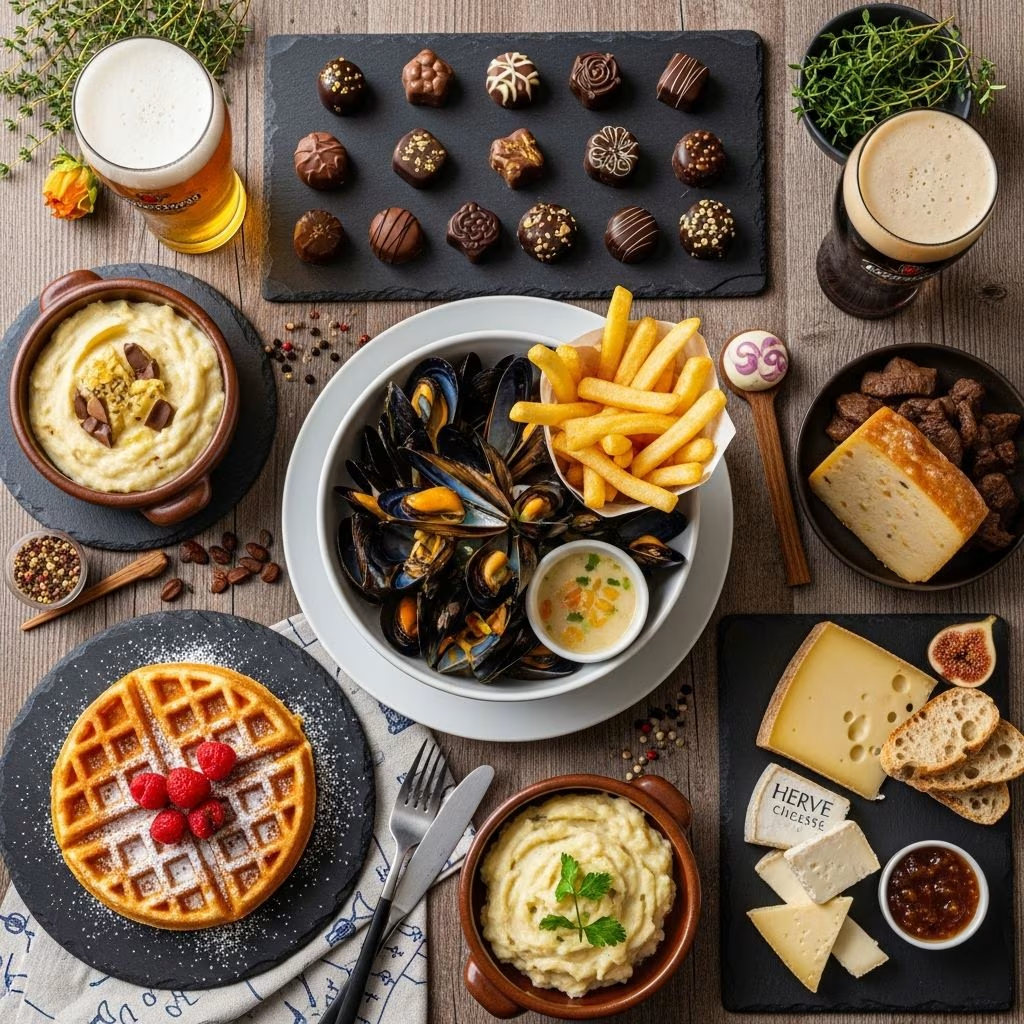
- Mussels and Frites: This classic pairing represents comfort food elevated to art form. Fresh mussels, typically prepared in white wine with aromatics, arrive at the table steaming and tender. Accompanying frites feature a specific double-frying technique that creates an exterior crust while maintaining a fluffy interior. The combination of briny seafood with crispy potatoes creates a textural and flavor contrast that defines Belgian casual dining.
- Belgian Waffles: Two distinct styles exist—the denser Liège waffle enriched with pearl sugar and the lighter Brussels waffle featuring a yeasty batter. Rather than dessert items, these function as complete meals, served warm with minimal toppings that highlight rather than mask their inherent quality.
- Flemish Stew: This beef and vegetable preparation simmered in brown beer represents comfort food with philosophical depth. The long cooking process allows flavors to develop complexity while the beer contributes subtle sweetness and depth.
- Endive Gratin: Humble chicory endive transforms through braising and cream-based preparation into something elegant and memorable, demonstrating how Belgian cooking respects vegetables as primary ingredients rather than accompaniments.
Chocolate and Beer: Understanding Excellence Beyond Tourism
Belgium’s international fame for chocolate and beer often overshadows their genuine quality. These products merit their reputation through rigorous standards and passionate craftsmanship rather than marketing alone. Belgian chocolate makers maintain exacting standards for cocoa sourcing, tempering, and flavor development. Consuming chocolate in its country of origin—whether in dedicated chocolate shops or quality cafés—provides context and understanding impossible to achieve elsewhere.
Similarly, Belgian beer culture extends far beyond casual consumption. The country produces hundreds of distinct styles, from contemplative abbey beers requiring meditation to crisp pilsners meant for casual refreshment. Understanding this diversity requires approaching beer as a serious subject worthy of dedicated tasting and study. Many establishments offer flight tastings specifically designed to educate rather than merely intoxicate.
Regional Variations and Culinary Geography
Belgium’s relatively small size contains significant regional culinary variations reflecting local ingredients, historical influences, and cultural preferences.
Brussels: The Cosmopolitan Capital
As the seat of European institutions, Brussels attracts international professionals and diplomats who have shaped the city’s dining landscape. The result combines sophisticated international cuisine with respected traditional Belgian offerings. Michelin-starred establishments sit comfortably alongside humble fishmongers and traditional estaminets. Brussels’ multicultural character means visitors encounter global flavors prepared with genuine expertise rather than superficial exoticism. The city’s cafe culture supports leisurely meals and extended time at tables, reflecting Continental European values about dining as social ritual rather than mere consumption.
Bruges: Medieval Charm Meets Culinary Tradition
Bruges’ preserved medieval architecture creates an atmospheric backdrop for experiencing Belgian food within historically authentic settings. The city’s prominence as a tourist destination has created competitive pressure among restaurants, resulting in establishments that take their offerings seriously. Visitors find excellent representations of all traditional Belgian dishes, often prepared by chefs committed to honoring preparation methods rather than inventing unnecessary modifications. The compact city center allows visitors to discover unexpected gems through wandering and exploration.
Antwerp and Ghent: Emerging Culinary Centers
Beyond the traditional Brussels-Bruges axis, Antwerp and Ghent offer compelling alternatives for food-focused travelers. These cities blend historical character with contemporary culinary innovation, attracting ambitious chefs who establish restaurants emphasizing seasonal ingredients and creative technique without abandoning Belgian culinary foundations. These destinations attract fewer tourists while maintaining high culinary standards, offering opportunities for more authentic dining experiences.
Fine Dining and Culinary Innovation
Belgium supports multiple Michelin-starred establishments where world-class chefs work at the highest technical and creative levels. These restaurants pursue culinary innovation while maintaining respect for Belgian traditions. Some chefs modernize classical preparations through contemporary technique, while others draw inspiration from Belgian ingredients to create entirely original dishes. Regardless of their approach, these establishments represent genuine culinary achievement and provide experiences justifying the considerable investment they require.
The fine dining sector in Belgium reflects the country’s commitment to food excellence at every economic level. Michelin recognition validates rather than creates culinary ambition here. Chefs pursuing fine dining do so because they genuinely believe in pushing gastronomic boundaries, not primarily for external validation.
Navigating Street Food and Casual Dining
Some of Belgium’s most memorable food experiences occur outside formal restaurant settings. Street food vendors serving frites with various sauces, waffle stands operated by vendors perfecting their craft over decades, and casual eateries emphasizing regional specialties provide authentic encounters with Belgian food culture.
The key to successful casual dining involves recognizing that simplicity does not indicate mediocrity. Belgian food philosophy emphasizes respecting ingredients and mastering technique, regardless of setting. A frite vendor operating the same location for twenty years has likely achieved greater proficiency in their craft than many formally trained chefs. Similarly, traditional bistros serving unchanged menus for generations maintain excellence through repetition and refinement rather than innovation.
Seasonal Considerations and Market-Driven Eating
Belgium’s culinary excellence connects directly to seasonal ingredient availability. Spring brings tender vegetables and lighter fish preparations. Summer emphasizes fresh produce at peak flavor. Autumn introduces game and hearty preparations for cooling weather. Winter showcases preserved ingredients and warming stews. Understanding these rhythms enhances dining experiences significantly. Visitors planning meals around seasonal offerings discover fresher, more flavorful dishes than those available year-round.
Weekly farmers’ markets in major cities provide windows into local ingredient availability and current seasonal focus. Simply observing what vendors emphasize reveals what local chefs prioritize during specific seasons. Many restaurants adjust their prix-fixe menus regularly to reflect seasonal ingredients, with changing menus indicating genuine commitment to quality rather than cost management.
Planning Your Culinary Journey
Successful food-focused travel to Belgium requires balancing structure with flexibility. Researching and reserving tables at acclaimed restaurants ensures access to acclaimed establishments with limited capacity. However, leaving space for spontaneous discoveries—following recommendations from locals, wandering neighborhoods without predetermined destinations, pausing at establishments that appeal in the moment—creates memorable experiences impossible to plan in advance.
A practical framework balances one or two special meals at fine dining establishments with casual meals at traditional bistros, market-sourced ingredients prepared in hotel kitchens, and street food snacking. This variety provides perspective on Belgian food culture across its full spectrum rather than concentrating solely on high-end experiences.
Frequently Asked Questions
- Is Belgium expensive for food travel?
- Belgium offers dining at all price points. Street food and casual bistros provide excellent experiences at modest costs. Michelin-starred restaurants command premium prices, but many establishments offer generous prix-fixe menus at reasonable rates. Strategic eating—casual meals alongside occasional special experiences—allows visitors to enjoy excellent food without excessive spending.
- When should I visit Belgium for optimal culinary experiences?
- Spring through fall generally offers peak ingredient availability and pleasant weather for exploring. Summer can bring crowds, while shoulder seasons (April-May and September-October) provide excellent combinations of pleasant weather and manageable visitor numbers. Winter offers hearty comfort food and fewer tourists, though some seasonal ingredients become limited.
- How much time should I allocate for food exploration?
- Four to seven days allows genuine immersion across multiple cities and varied dining experiences. Shorter visits concentrate on Brussels and Bruges with selective special meals. Longer visits enable exploring secondary cities, taking cooking classes, and experiencing food production facilities like chocolate makers or breweries.
- Do I need reservations at popular restaurants?
- For Michelin-starred establishments and acclaimed traditional restaurants, advance reservations ensure access. Many casual bistros accommodate walk-ins without reservation, though visiting during off-peak hours increases availability. Language should not present barriers, as restaurant staff in tourist areas typically speak English.
Conclusion
Belgium deserves recognition as a serious culinary destination where food excellence permeates culture at all levels. Rather than pursuing novelty or extreme experiences, Belgian cuisine celebrates refined technique applied to quality ingredients through preparations honed across generations. This approach may lack the headline-generating spectacle of certain food destinations, but it creates deeply satisfying experiences rooted in genuine culinary values. For travelers who believe exploring places through their food provides authentic cultural understanding, Belgium offers exceptional opportunities for meaningful discovery and enjoyment.
References
- What to eat in Belgium: planning your culinary journey — TravelLocal. Accessed April 2026. https://www.travellocal.com/en/articles/belgian-food-must-try-dishes-and-where-to-find-them
- A Foodie’s Guide to Brussels and Bruges, Belgium — Fora Travel. Accessed April 2026. https://www.foratravel.com/guides/6JYR9F/a-foodies-guide-to-brussels-and-bruges-belgium-leslie-birch
- Belgium For Foodies (8 Days) — Terraficionados. Accessed April 2026. https://www.terraficionados.com/itineraries/itinerary/belgium-for-foodies-8-days-7-nights
- A Culinary Journey to Belgium — AFAR. Accessed April 2026. https://www.afar.com/journeys/a-culinary-journey-to-belgium
On This Page
The Foundation of Belgian Food Culture Essential Traditional Dishes Every Visitor Should Experience Chocolate and Beer: Understanding Excellence Beyond Tourism Regional Variations and Culinary Geography Fine Dining and Culinary Innovation Navigating Street Food and Casual Dining Seasonal Considerations and Market-Driven Eating Planning Your Culinary Journey Frequently Asked Questions Conclusion← Previous
Best Places to Visit in France Outside Paris
Next →
Western Algarve Travel Guide: Beaches, Towns & Itineraries
Related Reading
More in Food & Culture
Food & Culture Food & Culture
 Food & Culture
Best Places to Eat in Rome: Neighborhood Dining Guide
 Food & Culture
 Food & Culture