

Food & Culture Stays Travel Essentials Travel Guides Trip Ideas
Categories
From the Blog
Remy’s Ratatouille Adventure at EPCOT: Ride Review, Tips & 2D Update
Travel Essentials

Belgrade Kafanas: Best Traditional Taverns, Food & Nightlife

Explore Belgrade's kafana culture, from ancient origins to top spots like Question Mark and Skadarlija gems, with tips on food, drinks, and live music.
Travel Essentials

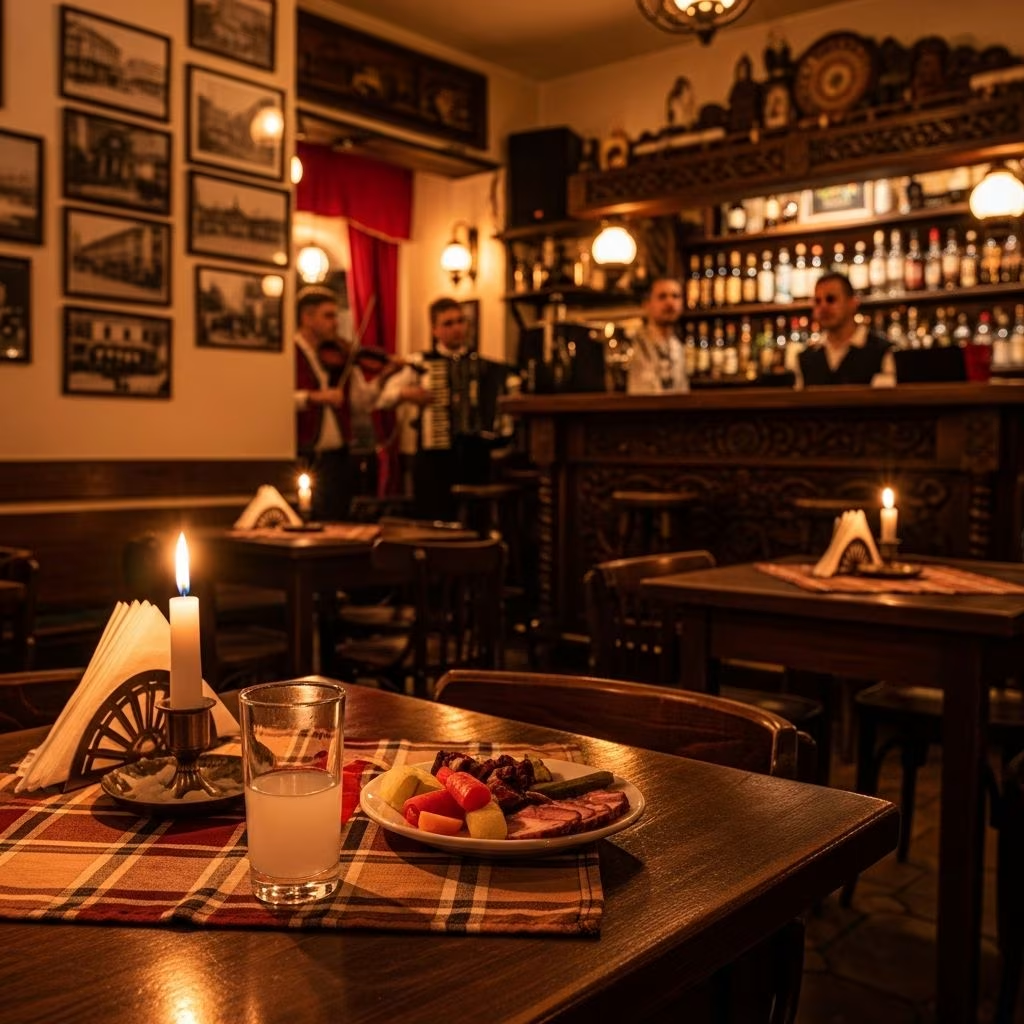
Belgrade’s kafanas represent the beating heart of Serbian social life, offering travelers a portal into centuries-old traditions of communal dining, spirited conversations, and lively folk performances. These unpretentious establishments, often tucked into narrow streets or bustling neighborhoods, serve as more than mere eateries—they are cultural anchors where history unfolds over plates of grilled meats and glasses of potent rakija.

The Enduring Legacy of Kafanas in Belgrade

Kafanas trace their roots to the Ottoman era, when coffeehouses first appeared in the Balkans following the conquest of Belgrade in 1521. Introduced by Ottoman rulers, these venues quickly evolved from simple coffee spots into multifaceted social hubs. Over five centuries, they have witnessed political upheavals, artistic movements, and everyday joys, remaining fixtures in Belgrade’s urban fabric with nearly 500 operating today.

Unlike modern bars or trendy cafes, authentic kafanas prioritize a democratic ethos. They welcome everyone—from lifelong locals nursing morning espressos to tourists capturing the scene on their phones. The air often carries the aroma of sizzling ćevapi (spiced minced meat kebabs) alongside cigarette smoke and the twang of tamburitzas, preserving a bohemian spirit that defies fast-paced contemporary trends.

Signature Dishes and Drinks: Fuel for the Night

No kafana visit is complete without sampling the hearty Serbian staples that define the menu. These dishes emphasize fresh, robust flavors rooted in local agriculture and grilling traditions.

  • Ćevapi: Small, juicy grilled sausages served in somun bread with diced onions and ajvar (roasted red pepper relish)—a must-order starter.
  • Pljeskavica: A spiced beef patty, often topped with kaymak (clotted cream) and kajmak cheese for creamy contrast.
  • Sarma: Cabbage rolls stuffed with minced meat and rice, slow-cooked for tender perfection.
  • Rakija: Fruit brandy, typically plum-based (šljivovica), sipped neat to ignite conversations.
  • Turkish Coffee: Thick, strong, and sediment-filled, perfect for lingering afternoons.

Portions are generous, prices fair, and the emphasis is on shared plates that encourage group dining—a cornerstone of kafana etiquette.

Prime Neighborhoods for Kafana Hopping

Belgrade’s kafanas scatter across districts, each offering distinct flavors of the city’s personality. Here’s a curated selection of top areas and standout venues.

Skadarlija: Bohemian Epicenter

This cobblestone pedestrian quarter, alive since the 19th century, buzzes with artistic heritage. Lined with gas lamps and adorned with murals, it’s ideal for first-timers seeking an immersive introduction.

  • Dva Jelena (Two Deer): A Skadarlija classic known for its lively orchestras and reliable grilled specialties.
  • Tri Šešira (Three Hats): Evokes old-world charm with folk tunes drawing crowds nightly.
  • Zlatni Bokal (Golden Goblet): Romantic terrace seating under stars, perfect for intimate evenings.

Old Town and Central Spots

Near Republic Square and Knez Mihailova pedestrian street, these kafanas blend accessibility with history.

  • Znak Pitanja (Question Mark): Belgrade’s oldest surviving kafana from 1823, housed in an Ottoman-style building on Kralja Petra Street. Its enigmatic name stems from a naming dispute with a neighboring church. Expect rustic interiors, authentic Serbian fare, and a timeless vibe.
  • Mornar: A Yugoslav-era gem popular with journalists, featuring streetside tables for people-watching and robust rakija sessions.

Vračar and Suburban Hidden Gems

For a local feel, venture to residential areas like Vračar or Medaković.

  • Bistro Trandafilović: Nearly a century old near Kalenić Market, shaded by a massive plane tree in its courtyard. Ideal for family lunches with market-fresh ingredients.
  • Proleće: Socialist-era design with zinc counters and suited waiters, prime for central people-watching.
  • LM Boem: In Medaković suburb, renowned for raucous Saturday folk music nights—book ahead as it packs out from 9pm.

Kafana Etiquette: How to Blend In Like a Local

To fully embrace the experience, follow these unwritten rules drawn from Serbian traditions.

DoDon’t
Arrive with friends or join tables—solo visits are rare.Go alone; kafanas thrive on group energy.
Order rakija or beer to share; let waiters suggest dishes.Rush your meal—linger and chat.
Tip modestly (10%) and applaud musicians.Photograph food excessively; respect the ambiance.
Engage in toasts (nazdravlje!) with eye contact.Be loud or disruptive outside music hours.

Waitstaff, often in waistcoats and borosana shoes, embody old-school hospitality. They’re experts in pairings and will guide newcomers seamlessly.

Live Music and Nightlife Pulse

Kafanas come alive after dusk with tamburica bands and accordionists belting folk ballads. Skadarlija spots like Dva Jelena host orchestras in cylinder hats, while LM Boem delivers high-energy suburban shows. Saturdays peak with dancing; arrive early for tables.

Planning Your Kafana Adventure

Best Times: Weekday lunches for quiet vibes; weekends for music (book ahead).

Budget: Expect 1500-3000 RSD ($14-28 USD) per person for a full meal with drinks.

Accessibility: Most are walkable in central areas; taxis or Uber for suburbs.

Combine with nearby sights: Stroll Skadarlija post-dinner or market-hop in Vračar.

Frequently Asked Questions (FAQs)

What is a kafana exactly?

A traditional Serbian tavern blending coffeehouse, restaurant, and music venue, central to social life since the 16th century.

Are kafanas family-friendly?

Yes, especially daytime; evenings skew adult with music and drinks.

Vegetarian options in kafanas?

Limited but available: grilled veggies, shopska salad, or cheese platters—ask for custom plates.

Best kafana for first-timers?

Znak Pitanja for history or Skadarlija trio for atmosphere.

Do I need to speak Serbian?

No—English menus common; gestures and smiles suffice.

Why Kafanas Define Belgrade’s Spirit

In a world of chain eateries, Belgrade’s kafanas stand defiant, safeguarding a tapestry of flavors, melodies, and memories. They invite immersion into Serbia’s resilient soul, where every visit forges connections across generations. Whether debating politics over coffee or swaying to folk rhythms, these havens ensure your Belgrade journey resonates long after departure.

References

  1. The 21 best kafanas in Belgrade – Wanderlog — Wanderlog. 2023. https://wanderlog.com/list/geoCategory/1572836/best-kafanas-in-belgrade
  2. A guide to kafane (coffeehouses) in Belgrade – Lonely Planet — Lonely Planet. 2023. https://www.lonelyplanet.com/articles/the-ultimate-belgrade-kafana-guide
  3. A guide to drinking in Serbian kafana – Live the World — Live the World. 2023. https://www.livetheworld.com/post/a-guide-to-drinking-in-serbian-kafana-9j00
  4. What’s Kafana Culture: 6 Essential Landmarks To Enjoy It Completely! — Belgrade Language School. 2023. https://belgradelanguageschool.com/whats-kafana-culture-6-essential-landmarks-to-enjoy-it-completely/
  5. Kafana is my destiny and your destination – Taste Serbia — Taste Serbia. 2023. https://tasteserbia.com/kafana-belgrade/
  6. Kafana Question Mark – Belgrade Restaurants – Tripadvisor — Tripadvisor. 2023. https://www.tripadvisor.com/Restaurant_Review-g294472-d3411420-Reviews-Kafana_Question_Mark-Belgrade.html
ME
medha deb
Medha Deb is an editor with…

Medha Deb is an editor with a master's degree in Applied Linguistics from the University of Hyderabad. She believes that her qualification has helped her develop a deep understanding of language and its application in various contexts. Medha specializes in the areas of beauty, health, sports, and wellness and is committed to ensuring that the content on the website is of the highest quality.Medha's passion for writing and editing began early in life when she joined a book writer's club with her mother. It was there that she discovered her love for the written word and the power it holds to inform, inspire, and transform lives. Since then, she has honed her skills as a writer and editor, working with a variety of clients and publications to produce compelling and informative content. Currently, she writes and edits for CultureTreker.She is also an ardent animal lover and dedicates her time and resources to the foster care of neonatal kittens, providing them with the love and attention they need to thrive. Her commitment to animal welfare is a testament to her compassion and empathy, and it underscores her belief in the importance of caring for the most vulnerable members of our society.

← Previous
7-Day Solomon Islands Itinerary: Honiara, Munda, Gizo & Beyond
‹›
