

 Travel Essentials
 Travel Essentials

Compare Belize and Australia's Great Barrier Reef for scuba diving. Explore size, marine life, accessibility, and why smaller doesn't mean inferior.
 Travel Essentials
When planning an underwater adventure, two names consistently rise to the top of diving destination lists: Australia’s iconic Great Barrier Reef and Belize’s lesser-known but equally magnificent barrier reef system. While the Great Barrier Reef dominates popular culture and travel media, many experienced divers argue that Belize offers a superior diving experience. Understanding the distinctions between these two world-class underwater ecosystems helps divers make an informed choice aligned with their experience level, preferences, and expectations.
The Great Barrier Reef spans an enormous expanse of northeastern Australia, covering approximately 344,400 square kilometers and stretching across more than 2,300 individual reefs. This massive coral system represents one of the planet’s most significant natural structures, visible from space and ranking among Earth’s seven natural wonders. The Belize Barrier Reef, by contrast, covers approximately 960 square kilometers along Belize’s Caribbean coastline, extending roughly 190 miles in length and making it the second-largest barrier reef system globally. While dramatically different in absolute size—the Great Barrier Reef is roughly 360 times larger—this size difference does not necessarily translate to a superior diving experience.
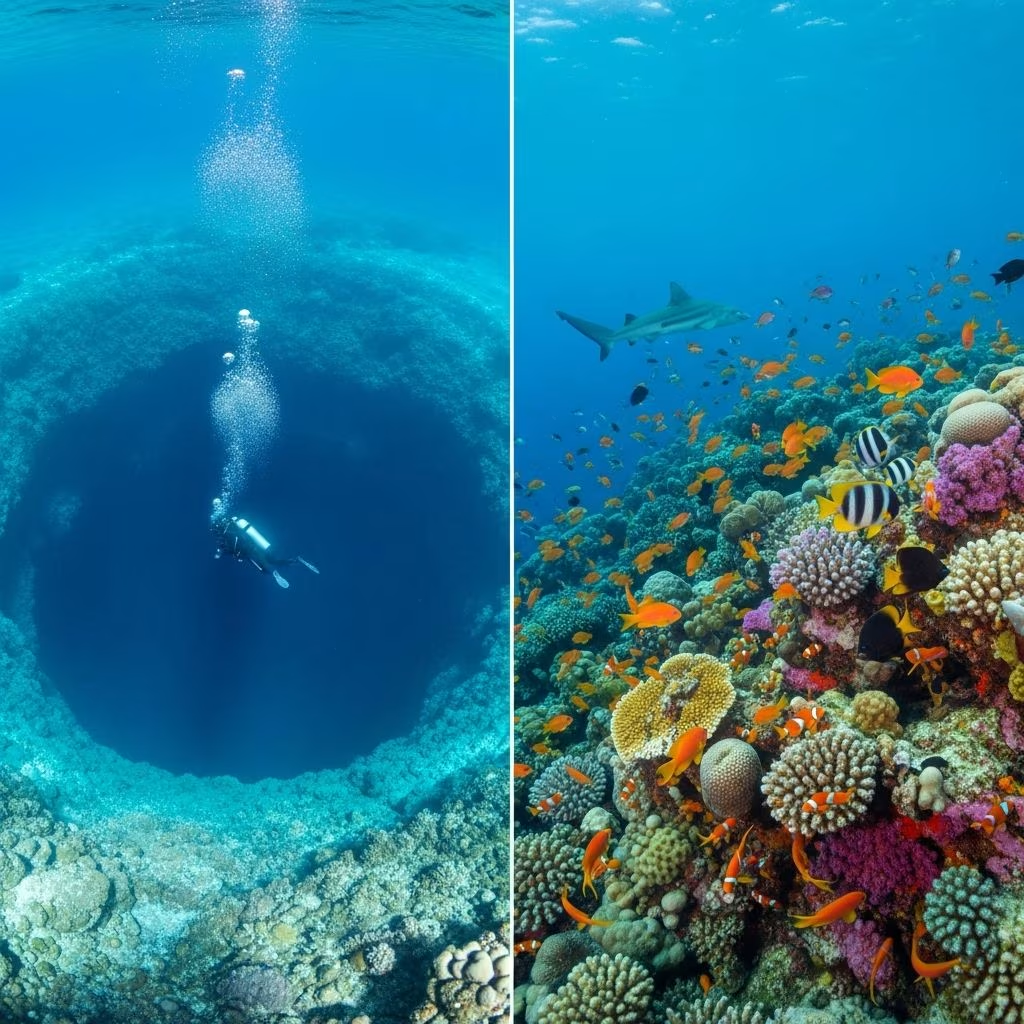
The Great Barrier Reef hosts approximately 400 coral species, alongside countless fish species, sea turtles, and other marine organisms. This biodiversity makes it an invaluable ecological treasure and a remarkable diving destination for those seeking maximum species exposure. The Belize Barrier Reef, though hosting fewer total coral species, maintains a thriving and diverse ecosystem with healthy coral populations and abundant fish life. The reef structure in Belize includes unique features such as the Blue Hole—a famous circular sinkhole diving site—and numerous coral atolls that create distinct diving environments within a more compact geographic area.
Reaching the Great Barrier Reef typically requires significant travel commitments. Most divers fly into cities like Cairns or Port Douglas in Queensland, Australia, then embark on boat journeys to reach suitable diving sites. The reef’s enormous size means that accessible dive sites often require extended boat rides from the mainland or island bases. Accommodation options range widely in price and quality, and the logistics can feel overwhelming for first-time visitors.
Belize presents a markedly different logistical landscape. The country is geographically compact, with the reef system running parallel to the coastline and easily accessible from multiple jumping-off points. Divers can reach productive reef sites within 15-45 minutes by boat from coastal towns like Belize City, San Pedro, or Placencia. This accessibility means less time commuting and more time underwater, plus reduced costs associated with extended boat journeys and overnight accommodations on live-aboard vessels.
Great Barrier Reef diving conditions vary considerably depending on season, location, and specific dive site. The Australian winter months (June to August) offer the most favorable conditions with clearer water and calmer seas. During other seasons, strong currents, poor visibility, and rough waters can limit diving opportunities. Water temperatures range from 21°C in winter to 29°C in summer, requiring wetsuits year-round.
Belize maintains warm subtropical waters throughout the year, with temperatures ranging from 26°C to 29°C—eliminating the need for thick wetsuits and allowing comfortable diving in minimal exposure suits. The diving season extends from March through December, with peak conditions occurring between April and June. Water visibility in Belize typically ranges from 60 to 100+ feet depending on location and conditions, with many reef sites offering exceptional clarity. This extended season and consistent conditions make Belize more forgiving for divers with limited time flexibility.
The Great Barrier Reef attracts divers of all experience levels, but many of its premier sites cater to advanced divers seeking challenging conditions and technical diving opportunities. The reef’s size allows for diverse diving experiences, from shallow coral gardens suitable for beginners to deep wall dives and drift dives for experienced divers. However, the longer boat journeys and sometimes challenging sea conditions mean that beginners may feel more comfortable with experienced operators and thorough briefings.
Belize’s reef system accommodates all experience levels within a more compact area. The Placencia Reef and Caye Caulker Marine Reserve offer exceptional shallow-water diving perfect for beginners and certification courses. Simultaneously, experienced divers can explore deeper walls, channels reaching 80 feet, and challenging drift dives. The proximity of varied dive sites means operators can easily adjust destinations based on group composition and conditions, often planning dives on the same day if an initial site proves unsuitable.
| Marine Feature | Great Barrier Reef | Belize |
|---|---|---|
| Coral Species | ~400 species | Fewer but healthy populations |
| Fish Diversity | Extensive variety | Abundant tropical species |
| Sea Turtles | Multiple species | Green and hawksbill turtles |
| Unique Attractions | Diverse wall systems | Blue Hole, nurse sharks, rays |
| Seasonal Highlights | Varies by location | Whale sharks (April-June), grouper (Oct-Nov) |
Both destinations offer remarkable marine encounters, though the specific wildlife differs. The Great Barrier Reef provides encounters with countless fish species, sea turtles, rays, and occasionally sharks. Belize offers similar species diversity with the added bonus of unique attractions. The Blue Hole presents an unforgettable diving experience—a mysterious circular sinkhole surrounded by coral walls. Nurse sharks, rays, and various shark species frequent Belize’s reefs. Additionally, Belize experiences seasonal wildlife movements: whale sharks migrate through the area between April and June, and grouper spawning aggregations attract divers between October and November.
The Great Barrier Reef faces significant environmental pressures, including coral bleaching events linked to rising ocean temperatures, crown-of-thorns starfish outbreaks, and water quality issues. These factors have caused visible damage to portions of the reef, though many areas remain healthy and vibrant. Despite these challenges, the reef remains a UNESCO World Heritage Site and continues attracting divers worldwide.
The Belize Barrier Reef similarly faces environmental stressors but has benefited from conservation efforts and marine protected areas. The reef system includes designated marine reserves and national parks that restrict fishing and other extractive activities, helping maintain ecosystem health. These protected areas benefit the entire diving experience by supporting robust populations of reef fish and other marine life.
Diving the Great Barrier Reef typically involves higher expenses. International flights to Australia, accommodation in Queensland coastal towns, and boat diving operations command premium prices. Many operators require multi-day commitments and live-aboard experiences, substantially increasing overall costs. Certification courses and specialty training add additional expenses.
Belize offers a more economical alternative without sacrificing quality. Flights from North America typically cost less than Australian travel. Accommodation ranges from budget guesthouses to mid-range resorts at accessible prices. Daily diving excursions from established beach towns run considerably less than Great Barrier Reef operations. This cost efficiency means divers can allocate budgets toward more dives, longer stays, or additional experiences.
Both destinations host professional diving operations adhering to international safety standards. The Great Barrier Reef’s established reputation attracts numerous operators, ranging from large commercial enterprises to smaller specialized outfits. Belize similarly offers reputable operations, many with PADI certification and years of local experience. The key to safety and satisfaction lies in researching operators, reading reviews, and selecting establishments with strong safety records and experienced guides.
Choosing between these destinations involves considering personal environmental impact. The Great Barrier Reef’s enormous popularity creates pressure on the ecosystem from increased visitor numbers. Belize, while developing its tourism infrastructure, manages visitor flow more effectively through marine protected areas and site-specific regulations. Responsible divers should follow established guidelines: maintaining neutral buoyancy, avoiding contact with coral, and respecting marine wildlife in both locations.
Planning a Great Barrier Reef trip requires research into optimal seasons. While diving occurs year-round, conditions vary dramatically. Winter (June-August) offers the best visibility and calmest conditions but coincides with cooler water temperatures and higher prices due to peak season demand.
Belize’s extended diving season (March through December) with peak conditions April through June offers greater scheduling flexibility. The warm water year-round eliminates concerns about exposure protection. This consistency makes Belize particularly attractive for divers unable to commit to specific seasonal windows.
While the Great Barrier Reef’s global recognition and massive scale appeal to many divers, Belize offers distinct advantages that often outweigh size alone. The combination of accessibility, year-round warm water, diverse diving experiences within a compact area, seasonal wildlife spectacles, reasonable costs, and excellent operator quality creates a compelling package. Belize’s reef system deserves recognition not as a “smaller alternative” but as a distinctive destination offering unique diving experiences and practical advantages.
For beginners seeking comfort and shorter learning curves, Belize’s proximity to shallow training sites and consistent conditions proves ideal. For experienced divers wanting maximum bottom time and diverse sites within tight timeframes, Belize’s accessibility eliminates travel fatigue. For budget-conscious divers maximizing their dive counts, Belize’s lower operational costs stretch diving budgets further.
Yes, absolutely. Belize’s shallow sites, calm waters around many cayes, and consistent warm temperatures make it exceptionally welcoming for certification courses and early diving experiences. Sites like Caye Caulker offer protected environments perfect for building confidence.
The optimal window runs from April through June, when weather conditions stabilize and whale sharks migrate through the region. However, diving remains productive throughout the March-December season, with October-November offering excellent grouper season opportunities.
Neither destination requires advanced experience. Both accommodate certification courses and beginner-level diving. However, certain specialized sites—particularly deep walls and technical locations—require appropriate certifications and experience.
Great Barrier Reef’s cooler winter temperatures (21°C) require 3-5mm wetsuits, while Belize’s consistently warm water (26-29°C) allows minimal exposure protection, reducing equipment weight and expense.
The Blue Hole represents a distinctive diving experience: a massive circular sinkhole surrounded by 40-meter-high walls with underwater stalactites and stalagmites, creating an otherworldly underwater landscape unavailable at the Great Barrier Reef.
