

 Travel Essentials
 Travel Essentials

A comprehensive guide to visiting Belize's Great Blue Hole, covering access methods, diving requirements, aerial tours, and planning tips for this UNESCO-protected marvel.
 Travel Essentials
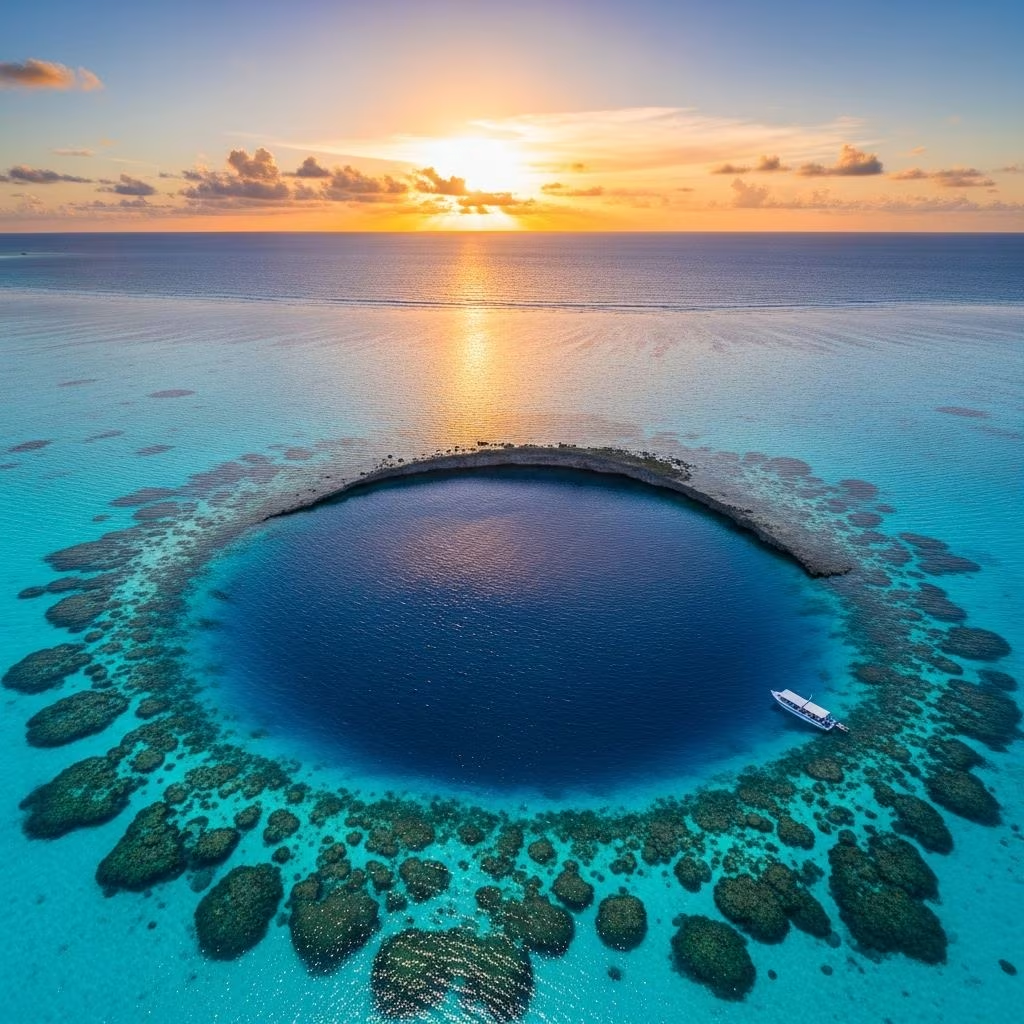
Belize’s Great Blue Hole stands as one of the most photographed and sought-after destinations for travelers and diving enthusiasts worldwide. This massive underwater sinkhole, measuring approximately 1,000 feet (318 meters) across with depths exceeding 400 feet (124 meters), represents a geological marvel formed during the last Ice Age. The site’s stunning contrast of deep indigo waters surrounded by brilliant turquoise shallows creates an unmistakable visual signature visible even from space. For those planning to experience this natural wonder, understanding the various access methods, preparation requirements, and what to expect becomes essential for a memorable visit.
The Great Blue Hole began forming approximately 15,000 years ago during the last Ice Age. At that time, a massive limestone cave system existed above sea level. As global temperatures rose and sea levels climbed, water gradually flooded these underground caverns. The weight and pressure eventually caused the cave ceiling to collapse, creating the distinctive circular depression visible today. This geological process left behind remarkable underwater features, including ancient stalactites and stalagmites that date back to the Pleistocene period. These formations remain suspended in the deep waters, telling a story of Earth’s dramatic climate shifts and geological transformations.
The Blue Hole’s location within the Lighthouse Reef Atoll adds another layer of natural significance. The surrounding shallow ridge, covered in vibrant coral reef systems, provides a stark contrast to the deep center. This ecological diversity makes the area part of the Belize Barrier Reef Reserve System, a UNESCO World Heritage Site, adding conservation importance to its natural beauty.
The Great Blue Hole sits approximately 75 kilometers (45 miles) offshore from Belize City, positioning it at the center of the Lighthouse Reef Atoll. This remote location necessitates organized tours rather than independent visits. Two primary departure islands serve as launching points for expeditions: Ambergris Caye and Caye Caulker. Each island offers distinct advantages depending on your preferences and available tour operators.
From Caye Caulker: This island provides a more laid-back island atmosphere and serves as a popular base for budget-conscious travelers. Two main dive operators, Belize Diving Services and Frenchies Dive Shop, conduct regular Blue Hole expeditions. The boat journey typically requires approximately 2.5 hours of travel time. Many visitors appreciate Caye Caulker’s relaxed community vibe, with opportunities for evening entertainment between diving days.
From Ambergris Caye: As Belize’s largest island, Ambergris Caye offers more accommodation options and resort facilities. Multiple tour operators provide Blue Hole access with comparable travel times. The island provides a slightly more developed tourist infrastructure while maintaining Caribbean charm.
Alternative Base: Turneffe Atoll: For those seeking proximity without mainland crowds, staying at Turneffe Atoll—located just 10 miles from the Blue Hole—eliminates lengthy boat rides and provides a more intimate experience of surrounding marine ecosystems.
Diving the Great Blue Hole represents the ultimate underwater adventure but demands specific qualifications and physical capabilities. The site’s deep profile and challenging conditions make it unsuitable for novice divers.
An Advanced PADI certification represents the minimum requirement for Blue Hole diving. This advanced credential ensures divers possess the technical skills, judgment, and experience necessary for deep diving operations. The certification process typically requires completion of specialized training modules covering deep-dive techniques, emergency procedures, and environmental awareness. Some tour operators may require additional qualifications or proof of recent diving activity.
Descending into the Blue Hole creates a progression of geological and sensory experiences. The dive begins in shallow coral-covered waters where tropical fish species thrive. As you descend past 130 feet, the dramatic stalactites and stalagmites become visible, creating an otherworldly landscape. The limestone formations rise from the floor like ancient sculptures, some meeting overhead to form natural columns. The water temperature becomes noticeably cooler at depth, and light diminishes, making the darkness both exhilarating and humbling.
The walls of the sinkhole display nearly vertical profiles with occasional ledges and overhangs. These geological features frame the formations and create natural pathways for exploration. The entire experience emphasizes the site’s ancient origins and the dramatic environmental changes that shaped this underwater monument.
Deep diving in this environment presents inherent risks. The depth, cold temperatures, and reduced light conditions demand careful planning, proper equipment maintenance, and experienced dive leadership. Tour operators should provide comprehensive safety briefings, maintain equipment to highest standards, and enforce strict dive protocols. Divers should communicate openly with their guide about comfort levels and concerns before descending.
Not all visitors possess advanced diving certifications or wish to undertake deep dives. Snorkeling at the Great Blue Hole offers a viable alternative for experiencing the site, though with important limitations. Snorkeling from the surface allows observation of the coral-covered ridge, tropical fish species, and the striking color contrast between shallow and deep waters. However, snorkeling provides no view of the interior stalactites and stalagmites that justify the site’s geological significance.
Some tours combine Blue Hole snorkeling with visits to nearby Half Moon Caye and the Aquarium, maximizing the diversity of marine environments experienced during a single expedition. This approach suits families with younger members, less experienced swimmers, or those prioritizing accessibility over extreme depth exploration.
The only way to fully appreciate the Great Blue Hole’s distinctive circular shape involves viewing it from above. Small aircraft and helicopter tours provide this unmatched perspective, revealing the geometric perfection of the formation and the surrounding reef system.
Operators like Maya Island Air offer regularly scheduled flyover tours departing from multiple locations. These typically last one to two hours and provide extended viewing time and photography opportunities. Small aircraft flights offer a more affordable option compared to helicopter tours, while helicopters provide smoother flights and superior viewing angles for some passengers.
On clear days, which occur frequently in Belize, the visual contrast becomes breathtaking. An arc of brilliant turquoise immediately catches the eye as the aircraft approaches, delineating the shallow ridge from the deeper waters. The deep indigo center of the hole creates a striking color palette that photographs capture magnificently. Professional photographers often consider aerial tours essential for obtaining the most iconic images of this natural wonder.
| Tour Type | Duration | Cost Range | Experience Level | Best For |
|---|---|---|---|---|
| Day Dive Trip | 6-8 hours | $300+ USD | Advanced PADI | Deep dive exploration |
| Snorkeling Tour | 4-6 hours | $150-250 USD | Beginner-friendly | Surface observation |
| Aerial Tour | 1-2 hours | $200-400 USD | All levels | Photography and overview |
| Multi-day Liveaboard | 3+ days | $800+ USD | Advanced PADI | Multiple dive sites |
Booking directly with established tour operators ensures better control over scheduling, equipment quality, and safety standards. Many operators fill capacity quickly during peak season, making advance reservations essential. Verify that operators maintain proper licensing, employ certified guides, and follow sustainable tourism practices that protect this UNESCO site.
Most Blue Hole tours combine the primary destination with nearby attractions, maximizing the value of the lengthy boat journey. Half Moon Caye, located within the same atoll system, features a smaller underwater sinkhole, pristine beaches, and the unique red-footed booby bird population. The Aquarium provides excellent snorkeling in shallower waters teeming with diverse fish species and coral formations.
Turneffe Atoll offers mangrove-clad islands, seagrass meadows, and coral reef ecosystems supporting abundant marine life. This combination approach allows visitors to experience multiple facets of Belize’s marine environment within a single expedition, providing context for understanding the Great Blue Hole within its broader ecological system.
Belize’s tropical climate supports year-round diving and aerial tours. However, weather patterns influence safety and comfort. The dry season from November through April typically provides clearer skies, calmer seas, and better visibility for both underwater exploration and aerial photography. The wet season from May through October brings higher humidity, increased rainfall, and occasionally rough sea conditions, though these seasons also feature fewer tourists and potentially lower prices.
The Great Blue Hole’s protected status within the Belize Barrier Reef Reserve System reflects its ecological and geological importance. Visitors bear responsibility for preserving this natural wonder. Follow operator guidelines regarding wildlife interaction, maintain distance from coral formations, use reef-safe sunscreen to prevent coral damage, and refrain from removing any natural materials. Support tour operators demonstrating commitment to sustainable practices and environmental education. Your conscious choices directly impact whether future generations will experience this natural marvel.
When approached with proper training, appropriate certification, qualified guides, and adherence to safety protocols, diving the Great Blue Hole is a manageable adventure. The inherent risks of deep diving remain, but legitimate operators maintain rigorous safety standards.
Yes. Snorkeling tours and aerial tours provide alternative methods for experiencing the site without advanced diving credentials. However, these options limit the geological features you can observe.
Day dive trips typically range from $300-400 USD per person without equipment rental. Snorkeling tours cost $150-250 USD. Aerial tours range $200-400 USD. Liveaboard multi-day expeditions exceed $800 USD.
The dry season from November through April offers optimal weather conditions, clearer skies for aerial tours, and generally calmer seas. However, the wet season features fewer tourists and potentially lower prices.
The site lies approximately 75 kilometers (45 miles) offshore, requiring 2-3 hours travel by boat from departure islands or 30-45 minutes by aircraft.
The surrounding coral reef supports tropical fish species, Caribbean reef sharks, rays, and various coral formations. The interior sinkhole contains fewer living organisms due to unique conditions, but the geological formations dominate the experience.
