

 Travel Essentials
 Travel Essentials

Explore Benin's authentic culture, stunning national parks, historic sites, and vibrant markets. A comprehensive guide for adventurous travelers seeking off-the-beaten-path experiences in West Africa.
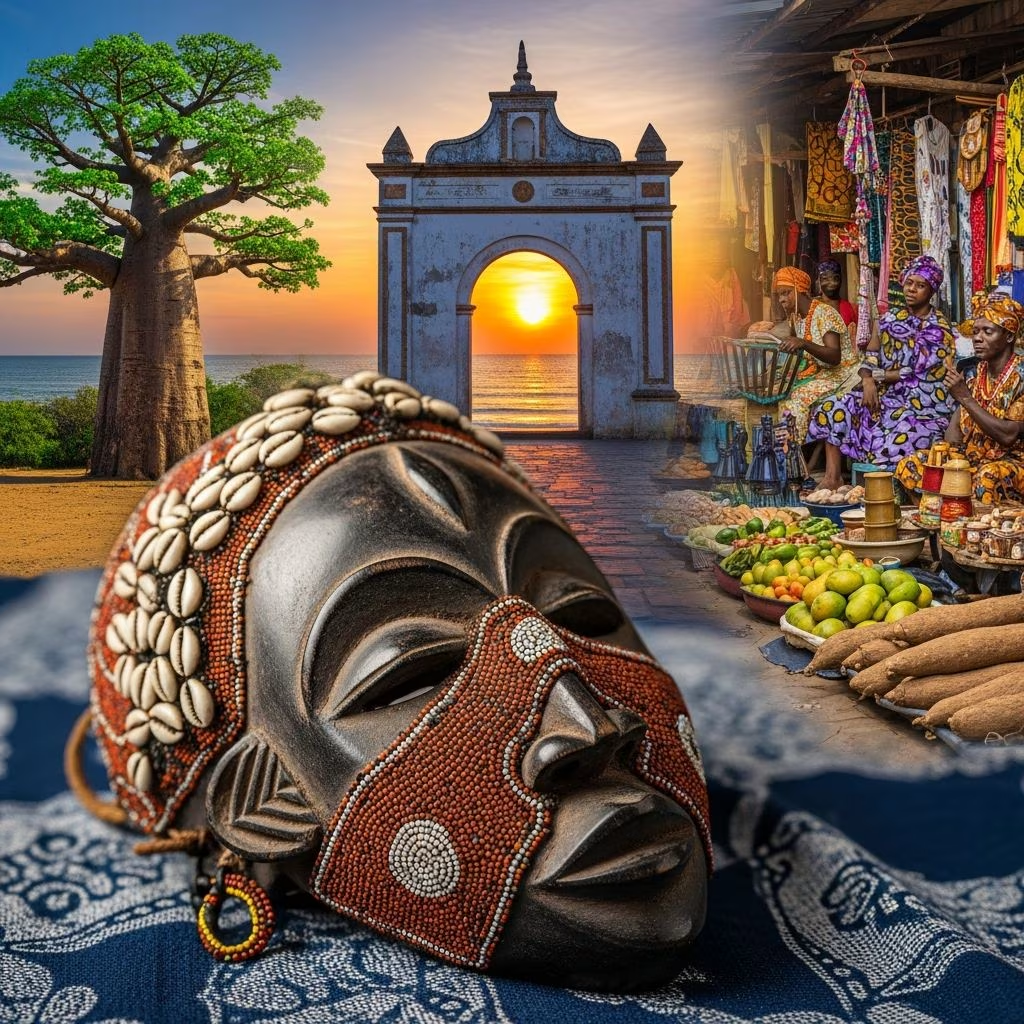 Travel Essentials
Benin, a compact nation nestled along the Atlantic coast in West Africa, captivates with its blend of ancient traditions, diverse wildlife, and poignant history. Spanning 112,600 square kilometers with a population of around 7.8 million, this destination offers authentic experiences far from mass tourism crowds. French serves as the official language alongside local dialects, and the currency is the West African CFA franc (XOF).
Benin stands out for its deep-rooted voodoo culture, which influences daily life and features in colorful festivals. The country boasts spectacular natural reserves, colonial-era architecture, and sites tied to the transatlantic slave trade. Politically stable and safe for most areas, Benin provides a gateway to explore neighboring Ghana and Togo on extended trips.
Planning a trip to Benin requires attention to entry rules and regional advisories. A tourist visa is mandatory, obtainable before departure for up to three years, costing around $100. Passports must be valid for six months beyond your stay, and proof of onward travel or funds may be requested.
The U.S. Department of State advises exercising increased caution (Level 2) due to crime and terrorism risks in northern border regions. Avoid Alibori, Atacora, Borgou (north, east, west of Parakou), Donga (north of Djougou), Pendjari and W National Parks without official guidance, and areas east of Route Nationale 10 near Nigeria. Petty crime like pickpocketing occurs in cities; stay vigilant, especially in Cotonou. Women travelers should dress modestly in rural areas and consider group tours for comfort.
| Region | Risk Level | Advice |
|---|---|---|
| Southern Benin (Cotonou, Ouidah, Porto-Novo) | Low-Moderate | Standard precautions; use licensed transport. |
| Northern Parks (Pendjari, W) | High | Avoid or join guided tours; kidnapping risks. |
| Border Areas (Niger, Burkina Faso, Nigeria) | Do Not Travel | Terrorism and crime; official travel only daytime. |
Public options include shared taxis and zemidjans (motorbike taxis). For comfort, hire a car with a driver, ideal for remote sites. Confirm fares upfront and carry small bills. Flights connect via Cotonou’s airport, with regional links to Accra for multi-country itineraries.
As Benin’s largest city and port, Cotonou pulses with energy. Visit Dantokpa Market, one of West Africa’s biggest, teeming with textiles, spices, crafts, and herbal remedies. Arrive early with a guide to haggle and explore the Gbêdji section. Don’t miss the towering bronze statue of the Dahomey Amazon, honoring the fierce female warriors.
Perched on Lake Nokoué, Ganvié is a UNESCO-recognized wonder built by the Tofinu to evade slave traders. Glide by pirogue past elevated homes, schools, and a floating market. This aquatic community offers a glimpse into resilient adaptation.
Ouidah’s Route des Esclaves traces the final steps of captives to the Door of No Return on the beach. The Ouidah Museum of History details this dark chapter. Nearby, the Temple of the Sacred Python embodies voodoo practices, where serpents are revered.
Benin’s official capital blends Portuguese influences and markets. The Ethnographic Museum showcases tribal diversity, while Honmé Palace displays royal artifacts. Stroll colorful streets for Afro-Brazilian architecture.
These preserved palaces, a World Heritage site, house murals, statues, and relics of the powerful Dahomey Kingdom. Learn about its military prowess, including the Amazon warriors, and political intrigue.
Pendjari National Park hosts 90% of West Africa’s lions, plus elephants, leopards, buffalo, and hippos across savannahs shared with Niger and Burkina Faso. The W National Park offers similar biodiversity. Trek Mount Sokbaro (658m) for panoramic views, but heed safety warnings and opt for guided tours.
Voodoo, practiced by 17% officially but influencing many, features python temples and annual festivals. Religions mix: 42% Christian, 24% Muslim, 15.5% other. River Adjarrá boat trips reveal fishing villages and palm groves.
Dry season (November-April) is ideal for parks and beaches; avoid rainy months (May-October) for muddy roads. A two-week trip: Days 1-4 Cotonou/Ganvié/Ouidah; 5-7 Porto-Novo/Abomey; 8-12 guided Pendjari safari; extend to Togo/Ghana.
| Duration | Focus | Key Stops |
|---|---|---|
| 7 Days | Culture/History | Cotonou, Ouidah, Abomey, Porto-Novo |
| 10-14 Days | Wildlife + Culture | Add Pendjari, Ganvié, River Adjarrá |
| 2 Weeks+ | Regional | Include Ghana/Togo borders |
Daily costs: $50-100 USD. Stay in guesthouses or eco-lodges. Support responsible tourism by hiring locals and avoiding single-use plastics. Combine with neighbors for diverse Francophone/Anglophone experiences.
Yes in the south with precautions; group tours recommended north. Petty crime is low but vigilance needed.
Yellow fever required; consult CDC for malaria prophylaxis, hepatitis.
Pendjari for lions and elephants, but check advisories.
Visit temples with guides; participate in festivals ethically.
Yes, loop through Togo and Ghana via Accra flights.
