

 Travel Essentials
 Travel Essentials

Comprehensive guide to accessible beaches across the United States featuring wheelchair amenities, accessible facilities, and practical planning tips for visitors with mobility considerations.
 Travel Essentials
The beach represents one of America’s most cherished recreational destinations, yet accessibility barriers have historically prevented many individuals with mobility challenges from enjoying coastal experiences. Fortunately, a growing number of beaches throughout the United States have invested in comprehensive accessibility infrastructure, making seaside leisure increasingly available to everyone. This guide explores destinations that prioritize inclusive design, highlighting the amenities, services, and planning considerations necessary for a successful beach visit.
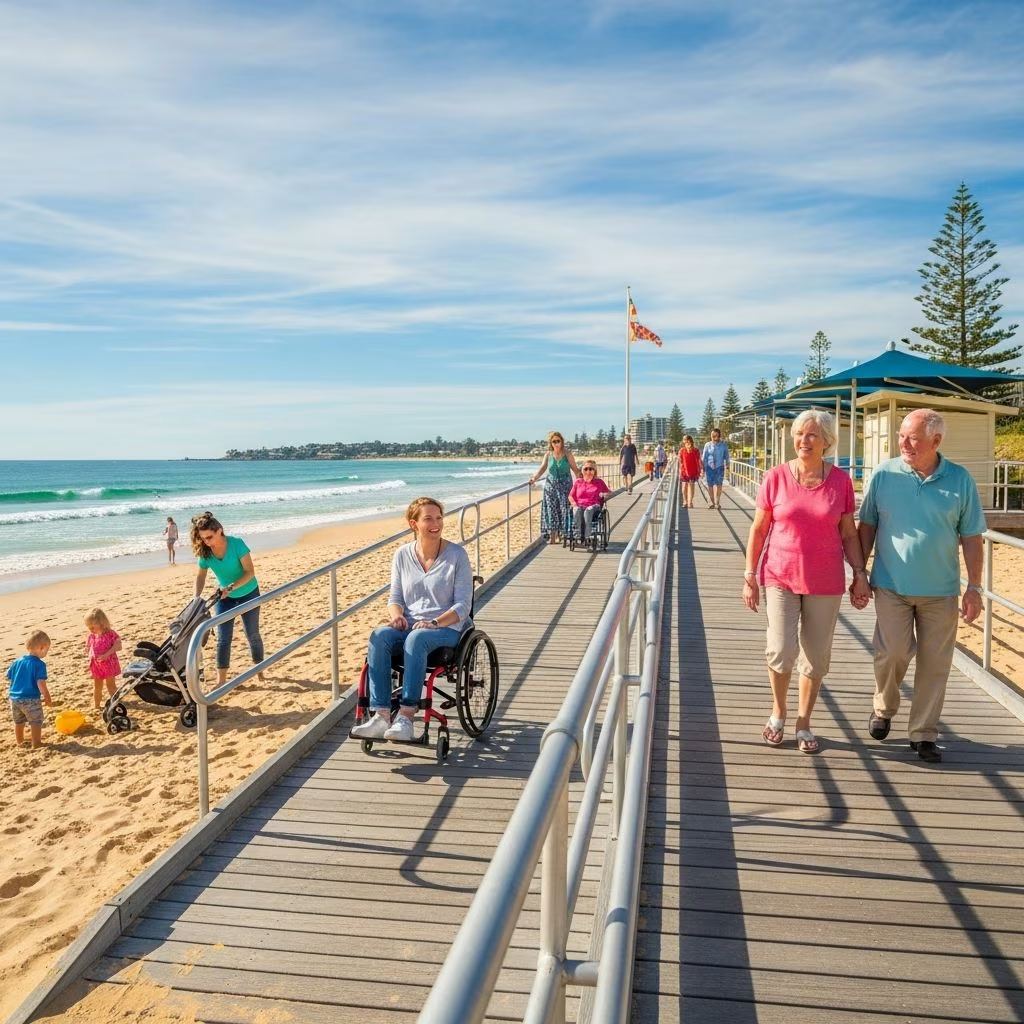
Modern accessible beaches incorporate several key features designed to facilitate participation for visitors with disabilities. These components work together to eliminate common barriers that prevent beach enjoyment. Understanding what constitutes accessible beach infrastructure helps visitors identify suitable destinations and plan accordingly.
Beach mats and boardwalks form the foundation of most accessibility initiatives. These surfaces provide firm, navigable pathways from parking areas to the waterline, preventing wheelchairs and mobility devices from sinking into soft sand. Facilities typically maintain these surfaces in excellent condition throughout the day. Many beaches position multiple access points strategically along their shoreline, reducing travel distances and accommodating various parking locations.
Specialized beach wheelchairs represent another critical accommodation. Unlike standard wheelchairs, these devices feature wider, puncture-resistant tires designed specifically for sand navigation. Many beaches offer these wheelchairs free of charge through either first-come, first-served systems or advance reservation programs. Some facilities even provide floating beach wheelchairs that enable water entry, expanding recreational possibilities substantially.
Companion care restrooms and accessible parking create the broader accessibility ecosystem. These facilities ensure visitors can manage personal care needs comfortably and access beaches without excessive physical exertion from parking areas.
Florida has emerged as a national leader in accessible beach development, with multiple regions offering comprehensive accessibility programs. The state’s commitment to inclusive recreation has created numerous high-quality destinations for visitors with mobility considerations.
South Walton’s regional beach access system demonstrates exemplary accessibility planning. Eight of the region’s nine designated beach access points meet ADA accessibility standards, with specialized features at individual locations. Miramar Beach Regional Access provides seasonal lifeguard coverage, accessible boardwalks, and dedicated parking, making it an excellent entry point for first-time visitors to the area. Fort Panic and Dune Allen Regional Access points similarly feature accessible restrooms and parking facilities.
Ed Walline Regional Beach Access stands out specifically for wheelchair-friendly mats that extend across the beach. This dedicated amenity accommodates various mobility devices and allows visitors to reach the waterline independently. The South Walton Fire District coordinates a free beach wheelchair program operating from March through October, enhancing accessibility during peak beach season.
Destin offers additional access through Pompano Street beach access, located at Pompano Street South near Highway 98 East. This access point provides an alternative destination for visitors exploring the broader northwest Florida coast.
Daytona Beach represents Florida’s most comprehensive accessible beach facility, featuring beach wheelchairs and barrier mats at multiple locations. The extensive beach infrastructure accommodates high visitor volume while maintaining accessibility standards. St. Augustine Beach and nearby Vilano Beach provide additional northeast Florida options with beach wheelchairs and accessible restrooms.
Clearwater Beach, positioned on Florida’s Gulf Coast, offers free manual beach wheelchairs at the lifeguard station near Pier 60 on a first-come, first-served basis. Multiple access mats located at Pier 60, Lot 32, and Lot 36 Beach Access points provide firm pathways across the sand. This distribution of access points prevents bottlenecking and ensures visitors have options during crowded periods.
Beyond Florida’s extensive network, other Southeast and Gulf Coast beaches have developed strong accessibility programs. These destinations offer diverse coastal experiences across different geographic and environmental settings.
Jekyll Island, a Georgia state park occupying a barrier island, features 10 miles of pristine shoreline with four dedicated accessible entry crossover points. Oceanview Beach Park, Great Dunes Park, Beach Village, and St. Andrews Beach each provide mats or ramps facilitating beach access. A limited beach wheelchair inventory available at these entry points enables independent exploration. The island’s relatively undeveloped character provides a more natural coastal experience compared to heavily developed urban beaches.
Hilton Head, South Carolina, represents another well-established accessible beach destination. The island’s development standards have incorporated accessibility considerations throughout its infrastructure, creating a comprehensive visitor experience for people with mobility challenges.
Carolina Beach, North Carolina, operates an exemplary free beach wheelchair program through the Parks and Recreation Department. Visitors can reserve wheelchairs—including specialized floating models enabling water entry—by calling 910-458-2977. The one-week reservation period accommodates extended beach stays and family gatherings.
Gulf Shores, Alabama, represents the Gulf Coast’s accessible beach infrastructure, though specific amenities vary by season and current maintenance schedules. Prospective visitors should verify current accessibility status before planning trips.
South Padre Island, Texas, features Malaquite Beach within the National Seashore, offering five specialized beach wheelchairs navigating both sand and shallow water. This Texas destination provides unique wildlife viewing opportunities alongside beach accessibility, attracting nature-oriented visitors seeking inclusive outdoor recreation.
California’s extensive coastline includes accessible options serving the state’s large population. Long Beach’s Granada Beach, located in Southern California, provides smooth beach mats running close to the waterline. Accessible companion-care restrooms in this area support visitors requiring personal assistance.
Santa Monica, California, offers accessible beach experiences through its famous pier, which accommodates people with mobility issues. The urban beach environment provides cultural attractions and dining options complementing beach recreation.
Ludington, Michigan, demonstrates that accessible beaches extend beyond ocean destinations. Stearns Park Beach on Lake Michigan features three wheelchair-accessible beach pathways—positioned at the south end, north end, and middle of the park. Free beach wheelchairs available on a first-come, first-served basis encourage visitor participation. Inquiries at The Sandbox concession stand provide information about current wheelchair availability and beach conditions.
Florence, Oregon, represents the Pacific Northwest’s accessible beach offerings, providing visitors with alternative coastal experiences outside traditional tourist regions.
Pre-Visit Research and Confirmation
Equipment Considerations
Timing and Logistics
Several organizations maintain comprehensive databases and mapping tools identifying accessible beaches nationwide. These resources allow visitors to compare amenities across destinations and plan multi-location trips. Official tourism websites for specific regions provide the most current information about accessibility features, often with detailed contact information for advance reservations or equipment inquiries.
State parks and recreation departments, particularly in Florida and Georgia, maintain updated accessibility information reflecting seasonal changes and maintenance schedules. Contacting these agencies directly ensures accurate, current information unavailable through general tourism resources.
Policies vary significantly by location. Some beaches operate first-come, first-served systems, while others require advance reservations. Carolina Beach, North Carolina, accepts reservations up to one week in advance by calling 910-458-2977. Contacting your chosen destination directly before arrival ensures you understand their specific policies and can plan accordingly. During peak season, arriving early maximizes the likelihood of equipment availability at first-come, first-served locations.
Standard beach wheelchairs enable sand navigation and shallow water entry. However, only specialized floating beach wheelchairs support deeper water participation. Facilities offering floating models typically limit their availability and may require advance notice. Confirm equipment specifications directly with beach operators if water activities beyond shallow wading are important to your visit.
Priorities depend on individual needs. Consider parking proximity to beach access, availability of accessible restrooms and companion care facilities, surface quality of access pathways, and whether beach wheelchair options meet your specifications. Visitors requiring extensive personal assistance should verify facility staffing and identify private areas for personal care needs. Those prioritizing water activities should confirm floating wheelchair availability.
Yes, personal mobility equipment is permitted at all accessible beaches. However, salt water and sand exposure may damage equipment. Bring protective covers and rinse equipment thoroughly after exposure to salt water. Some visitors choose to use provided beach wheelchairs rather than risk damaging personal equipment.
Peak season (summer months and particularly March through October) ensures maximum accessibility services, though beaches also experience crowds. Off-season visits may offer quieter experiences but risk reduced services and equipment availability. Spring and fall shoulder seasons often provide moderate crowds with good accessibility.
Expanding accessible beach infrastructure represents an ongoing commitment to inclusive recreation across America’s coastline. Established destinations continue enhancing their facilities while new locations develop accessibility programs. This evolution reflects growing recognition that beach access constitutes an essential recreational right rather than a luxury accommodation.
Prospective visitors should approach beach planning with realistic expectations about individual facility capabilities while recognizing that numerous high-quality accessible destinations exist nationwide. By researching specific locations, confirming current amenities, and planning thoughtfully, visitors with mobility challenges can enjoy fulfilling beach experiences alongside family and friends.
