

 Travel Essentials
 Travel Essentials

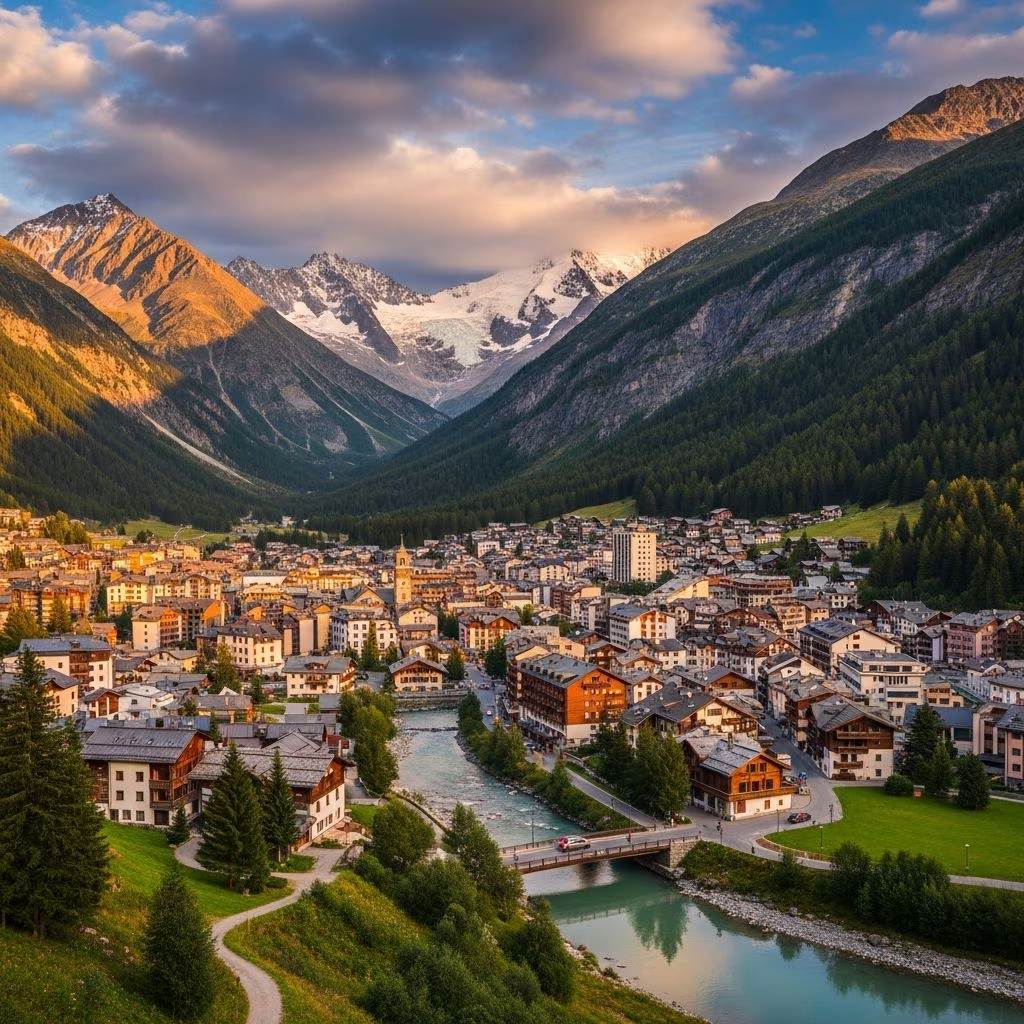
Explore Europe's most dynamic alpine base towns offering world-class hiking, climbing, skiing, and extreme sports with stunning mountain backdrops.
 Travel Essentials
The European Alps represent one of the world’s most magnificent mountain ranges, stretching approximately 1,200 kilometers from France to Slovenia with peaks reaching as high as 4,810 meters at Mont Blanc. Rather than attempting to explore these vast mountains from a single location, savvy adventurers select strategic base towns that provide immediate access to multiple outdoor pursuits while offering comfortable accommodations and reliable services. These gateway communities have evolved into thriving adventure hubs, each with distinctive character and specialized offerings tailored to different adventure profiles.
The ideal alpine base town combines several essential characteristics that distinguish it from ordinary mountain communities. Proximity to diverse terrain allows adventurers to pursue multiple activities without lengthy drives. Well-developed infrastructure including cable cars, funiculars, and mountain railways dramatically reduces travel time between base camps and climbing areas. Established adventure tourism infrastructure with certified guides, equipment rental shops, and professional outfitters ensures safety and accessibility for participants at all skill levels.
Seasonal flexibility matters considerably; superior base towns offer meaningful activities throughout the year, transitioning from summer mountaineering and hiking to winter sports. Community infrastructure supporting tourism—hotels, restaurants, reliable transportation, and banking services—allows visitors to focus on adventure rather than logistical challenges. The finest mountain towns balance commercial development with environmental stewardship, preserving the natural beauty that makes alpine environments so captivating.
Positioned between two striking turquoise lakes in the Bernese Oberland, this Swiss destination has established itself as the nation’s foremost adventure hub. The town functions as the primary jumping-off point for the broader alpine region, with exceptional access to diverse mountain environments through an extensively networked system of mountain railways, cable cars, and funiculars.
The adventure offerings span the complete spectrum of mountain pursuits. Adrenaline seekers can engage in white-water rafting through technical rapids, canyoning through limestone gorges, paragliding above alpine meadows, glacier bungee jumping on suspended platforms, rock climbing on natural formations, skydiving with panoramic views, ice climbing on frozen waterfalls, and hydrospeeding down mountain streams. Multiple well-established outfitters like Alpinraft and Outdoor Interlaken operate comprehensive programs with certified instructors and safety-first protocols.
The acquisition of a regional travel pass grants expedited mountain access via the extensive rail network, transforming the surrounding peaks into easily accessible playgrounds. Winter transforms the region into an exceptional skiing destination, while summer explodes with mountaineering expeditions, rock climbing camps, and alpine trekking adventures.
Northern Italy’s alpine regions showcase dramatic mountain scenery infused with Mediterranean charm and sophisticated culinary traditions. This geographical positioning creates unique access to diverse environments, allowing visitors to transition from high-altitude mountaineering to valley vineyards and alpine cheese production within a single day.
Located approximately 90 minutes from the alpine core, a major Italian city serves as the primary gateway for accessing Gran Paradiso National Park and its extensive network of scenic trails. The park encompasses terrain ranging from Mediterranean foothills to genuine alpine peaks, offering hiking opportunities suitable for various skill levels. Beyond hiking, the region supports mountain biking excursions, rock climbing routes, and mountaineering expeditions on peaks exceeding 4,000 meters.
The broader Italian alpine region extends northward into the Valle d’Aosta, where upscale mountain resorts positioned beneath iconic peaks provide luxury accommodations alongside serious climbing and skiing infrastructure. Summer activities include rafting on glacier-fed rivers, kayaking on alpine lakes, mountain biking on technical trails, and rock climbing on limestone formations. Winter transitions these same locations into premier skiing destinations, attracting international enthusiasts to resorts nestled below legendary peaks.
At Germany’s southeastern corner, where Bavarian mountains rise dramatically to meet the Austrian border, one of the Alps’ most visually stunning towns occupies a position of remarkable natural beauty. The location combines postcard-perfect aesthetics with legitimate alpine mountaineering terrain, creating unusual synergy between leisure tourism and serious outdoor pursuits.
The surrounding landscape features jagged limestone peaks within walking distance of town boundaries, accessible via established hiking trails, mountain biking routes, and technical climbing paths. The adjacent 210-square-kilometer national park preserves pristine alpine wilderness while maintaining visitor infrastructure. These mountains aren’t gentle foothills; they demand respect from mountaineers while remaining navigable for determined hikers.
Adventure operators in the region specialize in technical climbing instruction, white-water rafting expeditions, canyoning descents, and serious mountaineering expeditions. The area’s cool summers and reliable snowfall make it exceptional for both summer alpine pursuits and winter sports. Local operators have developed safety records and expertise refined through decades of guiding international visitors.
Serving as the administrative and cultural heart of Austria’s Tirol region, this city presents an extraordinary contrast: medieval architecture, Habsburg palace complexes, and refined urban culture exist mere minutes away from 2,000-meter mountain peaks. Few alpine communities offer such immediate transition from sophisticated urban environment to raw mountain wilderness.
The dramatic Nordkette mountain range rises so close to downtown that adventurers can complete the journey from city center to high alpine terrain in approximately 10 minutes, making it possible to experience substantial elevation gain and mountain atmosphere without sacrificing urban amenities. This unusual proximity attracts both serious mountaineers seeking technical climbing and casual hikers wanting accessible alpine experiences.
The adventure portfolio spans diverse pursuits: white-water rafting on regional river systems including the Inn River, Olympic bobsled experiences at regional facilities, canyoning through narrow gorges, mountain biking on trails ranging from gentle to extremely technical, paragliding from multiple launch points, and even extreme bungee jumping from a 192-meter bridge. The region hosts multiple seasons of outdoor pursuits, from summer mountaineering to winter skiing and training activities.
Positioned at the base of Mont Blanc, Western Europe’s highest summit at 4,810 meters, this French resort town has hosted mountaineers since before becoming the site of the first Winter Olympics in 1924. The town’s reputation extends beyond skiing to encompass world-class mountaineering infrastructure, with some of Earth’s most accomplished guides operating permanent offices here.
Summer represents peak mountaineering season, when experienced guides lead aspiring climbers up technically demanding routes, training expeditions, and the famous Mont Blanc summit itself. The Compagnie des Guides de Chamonix, representing some of the world’s finest alpine guides, coordinates expeditions for mountaineers possessing appropriate skill, experience, and physical conditioning.
Beyond mountaineering, the town offers rafting on tumultuous glacial rivers, paragliding across scenic valleys, hydrospeeding adventures, and iconic skiing with views directly onto the Mont Blanc massif. Winter skiing combines technical descents with backcountry powder terrain and spectacular alpine scenery. The combination of high-quality infrastructure and exceptional terrain has made this town synonymous with alpine adventure for generations of climbers.
| Mountain Town | Country | Primary Terrain | Summer Specialties | Winter Focus | Best For |
|---|---|---|---|---|---|
| Interlaken | Switzerland | Alpine meadows & glaciers | Paragliding, canyoning, rafting | World-class skiing | Multi-activity adventure seekers |
| Berchtesgaden | Germany | Limestone peaks | Rock climbing, hiking | Alpine skiing | Technical climbing enthusiasts |
| Innsbruck | Austria | Mixed alpine terrain | Mountain biking, paragliding | Olympic skiing facilities | Culture-seeking adventurers |
| Chamonix | France | Granite peaks & glaciers | High-altitude mountaineering | Elite skiing | Serious mountaineers |
| Turin region | Italy | Mixed alpine/Mediterranean | Trekking, climbing, biking | Regional skiing | Culturally-minded hikers |
Summer months transform alpine regions into globally important mountaineering and high-altitude trekking destinations. Stable weather patterns, accessible mountain passages, and extended daylight hours create ideal conditions for peak bagging, technical climbing, and extended alpine tours. High-altitude climbing expeditions typically operate exclusively during summer months when conditions permit safe access to technical terrain.
Winter converts these same mountains into premier skiing destinations while introducing new adventure possibilities including backcountry skiing, ice climbing on frozen waterfalls, and winter mountaineering. However, winter also brings avalanche hazards, extended storm patterns, and severely limited visibility that make serious mountaineering extraordinarily dangerous except for elite mountaineers with specialized winter training.
Shoulder seasons (May and September) offer special advantages: fewer crowds than peak season, generally favorable weather, and the unique opportunity to witness seasonal transitions in alpine ecosystems. Spring avalanche hazards and autumn weather instability require careful planning but often reward well-prepared adventurers with exceptional experiences.
For experienced mountaineers pursuing technical climbing and high-altitude expeditions, Chamonix delivers world-class guiding services, specialized equipment, and access to legitimate alpine mountaineering. The concentration of expert mountaineers and professional infrastructure creates an environment specifically designed for serious climbers.
For multi-activity enthusiasts wanting diverse experiences without relocating, Interlaken’s extensive rail network and diverse terrain accommodate paragliding, rafting, rock climbing, skiing, and numerous intermediate pursuits within the same base town. The developed tourism infrastructure simplifies logistics for visitors balancing different adventure interests.
For technical rock climbers, Berchtesgaden’s limestone peaks and established climbing schools provide excellent training terrain and reliable guide services. The prevalence of vertical rock formations within short distances makes it ideal for climbers seeking accessible technical challenge.
For culture-seeking adventurers, Innsbruck combines sophisticated urban amenities with immediate mountain access. Medieval architecture, museums, restaurants, and cultural institutions complement outdoor activities, making it appealing for travelers balancing cultural exploration with outdoor pursuit.
For hikers valuing accessibility and variety, the Italian alpine region accessed from Turin offers extensive trail networks ranging from gentle valley walks to challenging alpine treks, with cultural and culinary experiences enriching the journey.
Summer (June-September) offers optimal conditions for mountaineering, hiking, and climbing with stable weather and accessible terrain. Winter (December-March) provides excellent skiing but limits serious mountaineering. Shoulder seasons offer fewer crowds and unique advantages for experienced adventurers.
Professional outfitters at established base towns provide specialized equipment rental, from paragliding harnesses to climbing gear. Most activities include equipment within activity pricing. Bring appropriate clothing and sturdy footwear; operators handle technical gear requirements.
Yes. Established base towns employ certified instructors offering programs ranging from absolute beginner to professional levels. Paragliding, rafting, hiking, and many climbing routes accommodate participants without prior experience under qualified instruction.
Interlaken combines accessible activities, extensive infrastructure, comprehensive tourism services, and diverse difficulty levels making it ideal for first-time alpine visitors. The developed rail network minimizes transportation challenges while offering something for every adventure preference.
Most base towns sit within 2-3 hours of major cities via rail or road. International airports in Zurich, Munich, Lyon, and Milan provide convenient access. Excellent European transportation networks make multi-destination travel feasible.
Successful alpine adventures require thoughtful preparation extending beyond spontaneous enthusiasm. Research specific activities weeks in advance, as popular guides and extreme sports operators maintain full schedules during peak seasons. Verify that your physical conditioning matches activity difficulty; alpine mountaineering and technical climbing demand genuine fitness levels.
Invest in comprehensive travel insurance covering adventure activities, as standard policies often exclude mountaineering and extreme sports. Verify guide certifications and company safety records through independent sources rather than relying solely on marketing materials.
Acclimatize adequately when planning high-altitude activities, ascending gradually to allow physiological adaptation. Participate in intermediate-difficulty activities first, building skills and confidence before attempting technically demanding climbs or dangerous pursuits. Respect mountain weather patterns and experienced guides’ decisions to postpone or modify activities based on conditions.
The European Alps represent mountaineering paradise offering unparalleled adventure opportunities. By selecting an appropriate base town matching your interests, skill level, and available time, you can craft an alpine experience transforming how you understand mountains and your personal capabilities within them.
