


 Food & Culture
Food & Culture
Best American Evening Markets for Food, Culture and Community
Explore America's best evening bazaars featuring diverse vendors, international cuisine, live entertainment, and cultural experiences in major cities.
 Food & Culture
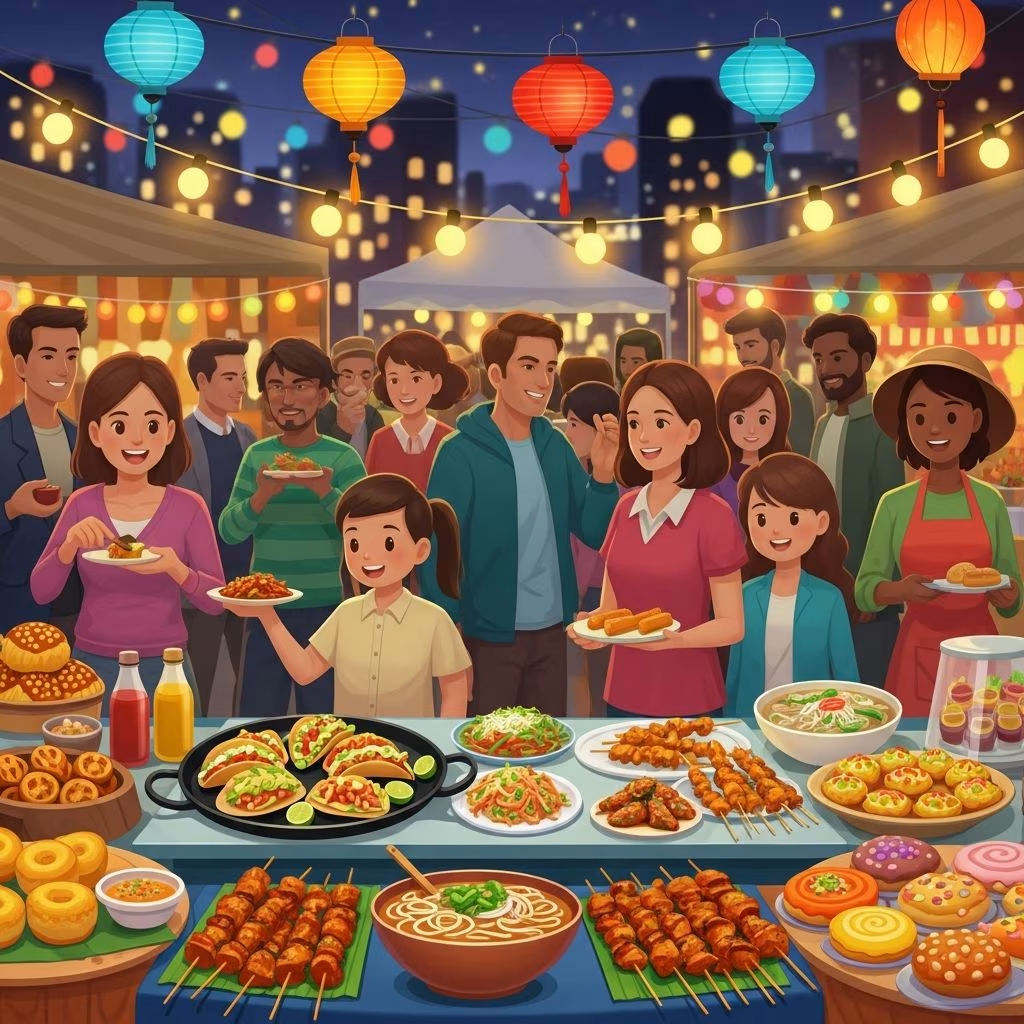
The tradition of bustling evening markets has long captivated travelers exploring Asia’s most vibrant cities. From the neon-lit streets of Bangkok to the bustling lanes of Taipei, these nocturnal bazaars represent more than just shopping destinations—they embody cultural identity, community spirit, and culinary excellence. In recent years, American cities have embraced this concept, creating their own distinctive evening market experiences that reflect local diversity, regional flavors, and contemporary urban culture. These after-dark gatherings have become essential destinations for food enthusiasts, cultural explorers, and anyone seeking authentic community connections beyond typical tourist attractions.
The Rise of American Evening Markets
The emergence of evening bazaars throughout the United States represents a significant shift in how American cities approach food culture and community gathering spaces. Unlike traditional farmers markets confined to weekend mornings, these evening venues operate during twilight hours, creating a unique atmosphere that blends the energy of nightlife with the charm of open-air shopping. The format draws inspiration from established international markets while incorporating distinctly American entrepreneurial spirit and multicultural influences.
These markets have evolved to serve multiple purposes within their communities. They function as platforms for emerging culinary talent, spaces for small business owners to establish their brands, and gathering places where diverse populations celebrate their heritage through food and entertainment. The accessibility of these venues—many offering free admission and family-friendly environments—has contributed to their rapid expansion across major metropolitan areas.
West Coast Destinations: Gateway to Asian-Inspired Markets
The West Coast has emerged as the epicenter of evening market culture in America, with several standout destinations attracting food tourists and locals alike. Los Angeles County hosts one of the continent’s most celebrated evening bazaars, which international travel specialists have ranked among the world’s top night markets. This particular venue draws approximately 60,000 visitors and features hundreds of vendors offering international cuisine, crafts, and entertainment.
The Los Angeles evening market scene extends beyond a single location. The Pico/Union neighborhood hosts El Gato Night Market, which focuses on Hispanic culinary traditions with approximately forty vendors offering regional specialties, desserts, and merchandise. A newer addition to the scene, DS Night Market, occupies the outskirts of Chinatown and emphasizes Asian-inspired cuisine with particular attention to seafood and meat preparations, while maintaining robust vegetarian options.
Vancouver’s Richmond Night Market holds the distinction of being North America’s largest evening bazaar. Operating seasonally during summer months, this venue attracts visitors with its massive scale and diverse vendor offerings. The market’s success has positioned it as a model for other North American cities developing similar venues.
In the Pacific Northwest, Seattle and Portland have established thriving evening market cultures. Portland’s Central Eastside Industrial District hosts an evening bazaar featuring an impressive 175 vendors providing food, merchandise, and entertainment. This scale of operation demonstrates how American cities have scaled the concept to accommodate growing demand.
Hawaiian and Southwestern Markets
Hawaii’s contribution to the evening market landscape centers on Honolulu Night Market, located in the Kaka’ako district near Mother Waldron Park. This venue differs from its mainland counterparts by incorporating Hawaiian culinary traditions alongside international options. Visitors can experience fresh poke bowls, distinctive ube desserts, food trucks, and other island-inspired offerings. The market typically operates seasonally, with events marking summer beginnings and holiday returns.
The Southwest’s evening market scene reflects the region’s strong Hispanic culinary heritage and multicultural identity. Cities across this region have adopted the evening bazaar format to celebrate local food traditions and support emerging vendors. These markets often feature prominently in urban revitalization efforts, transforming industrial areas and neighborhoods into vibrant cultural destinations.
Texas Hub: Houston’s Multicultural Approach
Houston’s evening market scene exemplifies how American cities leverage this format to celebrate cultural diversity. The 713 Night Market, named after Houston’s area code, operates as the city’s premier multicultural bazaar. Launched in 2016 as a nonprofit organization, this venue prioritizes community representation through culinary excellence, musical performances, and visual arts.
What distinguishes the Houston venue is its commitment to accessibility and educational programming. Entry remains completely free for all ages, and the market hosts cultural performances from community music and dance ensembles. The dog-friendly policy, provided pets remain leashed, demonstrates thoughtful community design considerations.
Chicago’s evening market scene includes Sauced Night Market, which operates as a roving bazaar dedicated to emerging chefs, artists, and artisans. Established in November 2014, this venue disrupts traditional market conventions by incorporating live DJing, rotating food offerings, and locally-produced merchandise. The roving format allows the market to serve multiple neighborhoods throughout the year.
Eastern Markets: New York’s Cultural Showcase
New York’s Queens Night Market represents a strategic approach to celebrating urban diversity through evening commerce. Located near the New York Hall of Science museum in Flushing Meadows-Corona Park, this family-friendly venue features up to one hundred independent vendors selling merchandise, art, and prepared foods. The market’s design emphasizes Queens’ rich cultural diversity through carefully curated vendor selection and entertainment programming.
The Queens market demonstrates how evening bazaars function as cultural ambassadors, using food and performance to educate visitors about different communities while generating economic opportunity for small business owners. This dual purpose—cultural education and economic development—has become central to evening market missions throughout the country.
Market Features and Visitor Experience
| Market Location | Primary Focus | Vendor Count | Admission Fee | Seasonal Availability |
|---|---|---|---|---|
| Los Angeles County | International/Asian | Hundreds | Varies | Year-round |
| Portland, Oregon | Diverse food/merchandise | 175+ | Free | Seasonal |
| Houston, Texas | Multicultural cuisine | 50+ | Free | Year-round |
| Queens, New York | Cultural celebration | 100 | Free | Seasonal |
| Honolulu, Hawaii | Hawaiian/International | 40+ | Varies | Seasonal |
Contemporary American evening markets distinguish themselves through thoughtful programming and accessibility features. Most venues operate during weekend evenings, typically remaining open until midnight or later, accommodating working professionals and families. The free or low-cost admission models democratize access, ensuring these spaces serve community members across economic backgrounds.
Parking considerations have driven some venues to partner with alternative transportation services, recognizing that urban market-goers may utilize bicycles, public transit, or ride-sharing options. This attention to transportation logistics reflects evolving American urban planning that prioritizes walkability and multimodal accessibility.
Culinary Diversity and Vendor Innovation
Evening markets function as incubators for culinary entrepreneurship, allowing chefs and food artisans to test concepts, build customer bases, and establish brands before committing to brick-and-mortar establishments. The lower barrier to entry compared to traditional restaurants enables immigrants and minority entrepreneurs to participate in America’s food economy while maintaining cultural authenticity in their offerings.
The vendor mix at successful markets typically includes traditional cuisine alongside contemporary fusion concepts. Vegetarian and vegan options have become increasingly prevalent as markets respond to evolving dietary preferences. The competitive environment encourages innovation, with vendors constantly refining recipes, presentations, and pricing to attract repeat customers.
Entertainment and Cultural Programming
Beyond food consumption, successful evening markets incorporate live entertainment, creating multisensory experiences that encourage extended visits. Musical performances ranging from local DJs to community ensembles provide entertainment while showcasing regional talent. Art installations, merchandise vendors selling handmade crafts, and cultural performances reinforce these spaces as community gathering points rather than purely commercial transactions.
Educational programming has emerged as a distinguishing feature at certain venues. Markets featuring cultural dance performances, cooking demonstrations, or heritage education sessions position themselves as cultural institutions with economic activity rather than purely food-focused events.
Planning Your Evening Market Visit
Prospective visitors should consider several factors when planning evening market experiences. Bringing cash proves essential, as many smaller vendors operate on cash-only bases. Comfortable walking shoes are advisable given the typically sprawling layouts and extended browsing times. Arriving during off-peak evening hours can reduce crowding while maintaining vendor availability.
Many markets offer family-friendly environments with activities for children, making them appealing multigenerational destinations. Pet-friendly policies at certain venues have expanded their appeal to local residents seeking social activities that include their animals. Checking individual market websites or social media for seasonal schedules, special events, and vendor listings enhances visit planning.
Seasonal Considerations
Most American evening markets operate seasonally, typically launching in spring or early summer and concluding in autumn. Some year-round markets maintain limited schedules during winter months. Weather considerations influence attendance and vendor participation, with outdoor venues particularly susceptible to seasonal closures in northern climates. Planning visits during established operating seasons ensures full market experiences.
Frequently Asked Questions
What are the typical hours for American evening markets?
Most American evening markets operate during evening and night hours, typically opening around 5 or 6 PM and remaining open until midnight or later. Specific hours vary by venue and season. Checking individual market websites ensures accurate timing for your visit.
Are evening markets family-friendly?
Yes, most American evening markets actively market themselves as family-friendly destinations with free or low-cost admission. Many feature activities for children and enforce policies ensuring safe, welcoming environments for all ages. However, visiting during earlier evening hours may provide more comfortable experiences with families.
What payment methods do evening market vendors accept?
While some vendors accept credit cards and mobile payments, bringing cash remains advisable as many smaller food vendors operate exclusively on cash bases. Visitors should plan accordingly to ensure sufficient cash for their intended purchases.
Can I bring my pet to evening markets?
Some markets explicitly welcome pets with size restrictions or leash requirements. Visitors should verify pet policies before attending, as policies vary significantly between venues. Markets highlighting family-friendly atmospheres often address pet policies on their websites or social media.
How can I find evening markets near me?
Online searches for “night market near me” or “evening bazaar [your city]” typically yield results for local venues. Social media platforms including Facebook and Instagram feature dedicated pages for many markets where operators share schedules, vendor information, and event announcements.
The Future of American Evening Markets
The expansion of evening market culture throughout the United States reflects broader shifts in American food culture, community engagement, and urban revitalization strategies. As cities recognize the economic, cultural, and social benefits these venues provide, expansion efforts continue across additional metropolitan areas. The model’s adaptability allows customization to reflect local culinary traditions, cultural demographics, and community priorities.
Evening markets have transitioned from novelty concepts to established cultural institutions within their communities. As this trend matures, expect increasingly sophisticated programming, infrastructure improvements, and integration with broader urban food and entertainment ecosystems. These spaces represent American multicultural society at its finest—places where economic opportunity, cultural celebration, and community connection intersect.
References
- L.A. County Is Home To One Of The World’s Best Night Markets — Secret Los Angeles. 2024. https://secretlosangeles.com/la-county-worlds-best-night-market/
- 14 Best Night Markets In The U.S. For Foodies — The Daily Meal. 2024. https://www.thedailymeal.com/1256055/best-night-markets-us-for-foodies/
- Exploring the Largest Night Market in North America — Collecting EXP. 2024. https://collectingexp.com/exploring-the-largest-night-market-in-north-america/
- Los Angeles Night Markets — Handlebar Bike Tours. 2024. https://handlebarbiketours.com/los-angeles-night-markets/
On This Page
The Rise of American Evening Markets West Coast Destinations: Gateway to Asian-Inspired Markets Hawaiian and Southwestern Markets Texas Hub: Houston's Multicultural Approach Eastern Markets: New York's Cultural Showcase Market Features and Visitor Experience Culinary Diversity and Vendor Innovation Entertainment and Cultural Programming Planning Your Evening Market Visit Seasonal Considerations Frequently Asked Questions The Future of American Evening Markets← Previous
Death Valley in Spring: Best Time to Visit, Top Sights & Itinerary
Next →
Best Southern U.S. Islands to Visit: Georgia, South Carolina & More
Related Reading
More in Food & Culture
Food & Culture Food & Culture
 Food & Culture
Best Places to Eat in Rome: Neighborhood Dining Guide
 Food & Culture
 Food & Culture