


 Food & Culture
Food & Culture
Best Apfelwein Taverns in Frankfurt: Where to Drink Cider
Discover the best traditional and contemporary venues for experiencing authentic Apfelwein in Frankfurt's historic Sachsenhausen district and beyond.
 Food & Culture
Frankfurt’s relationship with apple wine, known locally as Apfelwein, extends far beyond simple beverage consumption—it represents a cultural cornerstone of the city’s identity. Unlike beer-dominated regions throughout Germany, Frankfurt has maintained an extraordinary commitment to this tart, dry tradition for centuries. The city’s distinctive character is inextricably linked to its cider heritage, making any visit to this major European hub incomplete without experiencing the taverns and establishments where Apfelwein flows as freely as conversation among neighbors.
Understanding Apfelwein: Frankfurt’s Signature Beverage
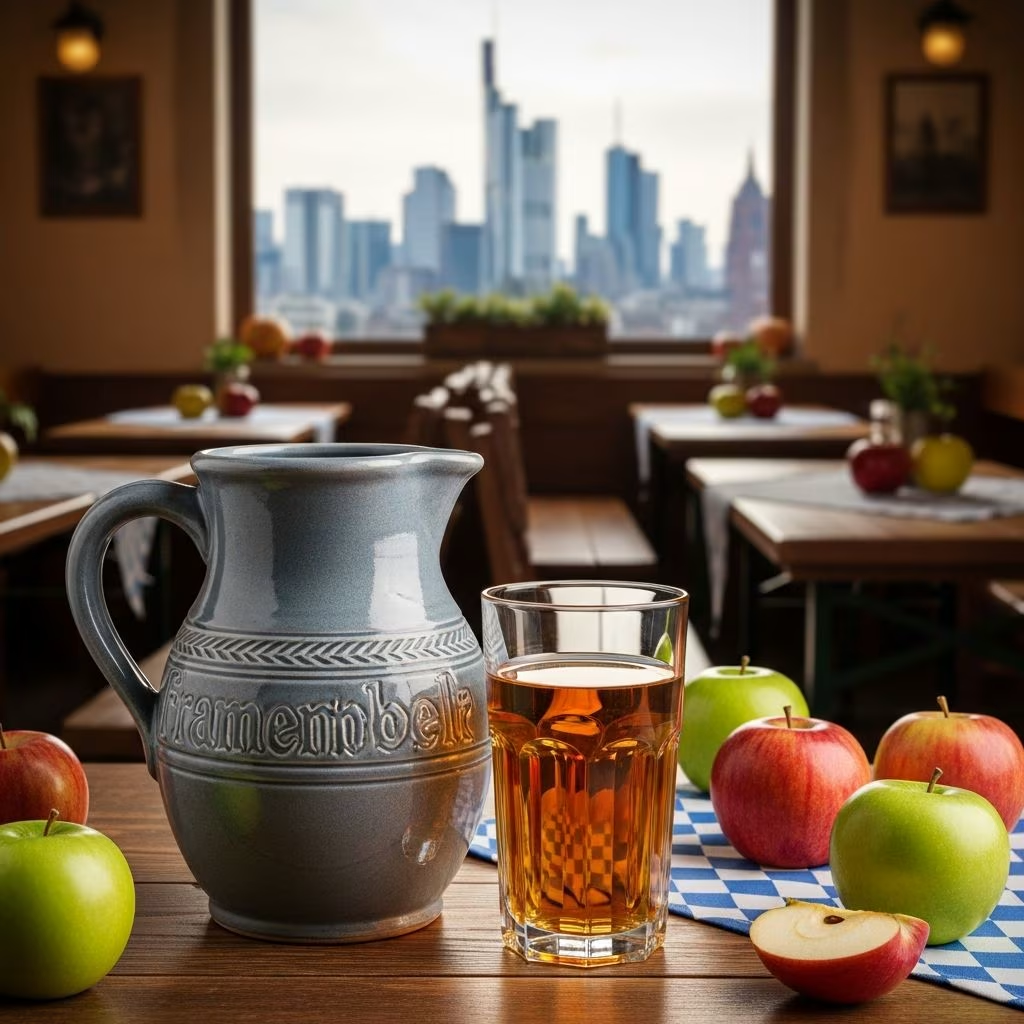
Apfelwein occupies a unique position in German drinking culture, distinguished by characteristics that set it apart from other fermented apple beverages worldwide. The traditional preparation methods have remained largely unchanged for generations, emphasizing natural fermentation and regional fruit varieties grown in the orchards surrounding Frankfurt. The drink itself is notably dry, with pronounced tartness that demands respect from first-time drinkers. Served in distinctive glasses called Gerippten—dimpled vessels that reflect centuries of tradition—Apfelwein is typically diluted with sparkling water before consumption, a ritual that newcomers quickly adopt for both flavor balance and practical purposes.
The prevalence of this beverage throughout Frankfurt stems directly from geographic advantages. Central Germany’s abundant orchards and ideal growing conditions for apple cultivation created a natural foundation for commercial cider production. This agricultural advantage transformed the region into what locals proudly call the Apfelwein capital, with the beverage becoming so intrinsic to Frankfurt’s identity that questioning its prominence would seem almost sacrilegious to residents.
Geographic Heart: Sachsenhausen’s Concentrated Venue Landscape
While Apfelwein establishments scatter throughout Frankfurt’s various neighborhoods, the concentration of authentic venues occurs predominantly in Sachsenhausen, located on the south bank of the Main River. This neighborhood functions as ground zero for cider culture, where historical preservation meets contemporary tourism, and traditional tavern culture persists with remarkable vitality. The streets radiating from the riverfront contain dozens of establishments ranging from intimate neighborhood gathering spots to substantial restaurant halls accommodating large groups.
Sachsenhausen’s status as the epicenter of Apfelwein culture was not accidental but rather the result of centuries of gradual development. The neighborhood’s architectural character, with narrow streets and period buildings, creates an atmosphere that feels temporally displaced—as though visitors have stepped directly into an earlier era when cider taverns represented the primary dining and social infrastructure for the working population.
Established Venues: Traditional Establishments with Enduring Legacies
Daheim im Lorsbacher Thal: The Comprehensive Experience
Daheim im Lorsbacher Thal stands out as one of Frankfurt’s most ambitious cider establishments, combining restaurant scale with an approach to hospitality that treats Apfelwein with genuine reverence. The venue’s proprietors, Pia and Frank Winkler, have created an environment where quality receives paramount importance, from their house cider production to their refined approach to traditional Frankfurt cuisine. The establishment’s reputation rests partly on its distinguished collection of Apfelwein varieties—reportedly the most comprehensive private assemblage available for public consumption anywhere globally.
The physical plant itself deserves mention for its thoughtful design. An idyllic courtyard space provides refuge from urban surroundings while maintaining the atmosphere of traditional Frankfurt hospitality. When demand exceeds capacity at the original location, the Winkler family operates a charming satellite restaurant in the restored Affentor Schänke just around the corner, and maintains a third presence within Frankfurt’s famous Kleinmarkthalle indoor market. This expansion strategy demonstrates how successful Apfelwein venues have adapted to contemporary visitor volumes without sacrificing authenticity. A particular point of interest involves the market location’s specialty: cheese aged in Apfelwein, offering adventurous consumers a gustatory connection to the region’s cider traditions.
Zur Buchscheer: The Historic Producer
Zur Buchscheer presents a compelling narrative of institutional continuity, having commenced cider production in 1876—over 150 years ago. Unlike many competitors who purchase commercially produced Apfelwein from major bottlers, Zur Buchscheer maintains its own production facilities, creating both fermented and non-fermented versions using apples sourced from biodiverse orchard meadows in the surrounding region. This commitment to production autonomy has allowed the establishment to maintain distinctive flavor profiles unavailable elsewhere.
Located farther south than many competitors on the traditional tourist circuit, Zur Buchscheer requires slightly more effort to reach but rewards visitors with a characteristically more local clientele. The generous outdoor space provides comfortable seating arrangements, whether visitors arrive during Frankfurt’s unpredictable weather or during extended periods of pleasant conditions. The establishment’s accessibility via train and tram connections removes transportation complications, making it an excellent introduction point for visitors wishing to escape the Sachsenhausen tourist concentration while maintaining reasonable convenience.
Apfelwein Wagner: Unwavering Specialization
Apfelwein Wagner represents an intriguing philosophical approach to venue operation, refusing compromise through beer service or other mainstream beverage diversification. This studied refusal to accommodate beer drinkers creates an environment where cider reigns supreme—neither competitor nor footnote but the entire beverage narrative. The establishment’s rustic aesthetic combined with polished service standards creates an environment that feels authentic without sacrificing customer comfort or attentiveness.
Notably simplified compared to competitors’ expansive offerings, Apfelwein Wagner’s cider list focuses on a single selection, encouraging visitors to experience that particular expression thoroughly rather than engaging in comparative tasting across varieties. This streamlined approach paradoxically liberates customers from decision paralysis while communicating absolute confidence in their chosen product.
Emerging and Alternative Experiences: Beyond Traditional Taverns
Obsthof am Steinberg: Agricultural Immersion
For visitors seeking cider experiences rooted directly in agricultural production, Obsthof am Steinberg offers compelling alternatives to traditional urban taverns. Located on Frankfurt’s outskirts, this organic operation presents the complete production narrative, where visitors can witness fruit cultivation directly while consuming beverages created from their own orchard resources. Proprietor Andreas Schneider maintains an extraordinary collection of fruit varieties, including more than one hundred distinct apple cultivars specifically selected for their distinctive characteristics and fermentation potential.
The on-site Schoppenwirtschaft—essentially a casual cider pub—provides both covered and open-air seating, allowing visitors to select environments matching weather conditions and personal preference. Consuming locally-produced cider while surrounded by the source trees creates psychological and gustatory connections impossible to replicate within urban settings.
Apfelweinhandlung JB: The Contemporary Craft Movement
Apfelweinhandlung JB embodies Frankfurt’s participation in broader European cider renaissance movements, operating as Germany’s oldest dedicated Apfelwein retailer while leading contemporary craft initiatives. The establishment functions as curator and champion of orchard-driven ciders produced throughout Germany and beyond, operating at the intersection of traditional preservation and innovative exploration. This venue demonstrates that Apfelwein culture has transcended nostalgic preservation, instead engaging with contemporary craft beverage movements while maintaining connection to historical foundations.
Navigating Authentic Experiences: Essential Information for Visitors
Understanding Venue Classifications
Frankfurt’s cider establishments operate under several distinct models, each offering varying atmospheres and consumption experiences:
- Apfelweingaststätte: Traditional dedicated venues focused exclusively on cider service, regional cuisine, and communal dining atmospheres
- Restaurant-tavern hybrids: Larger establishments combining multiple service models, offering both casual cider consumption and formal dining experiences
- Producer-direct venues: Establishments that create their own cider rather than purchasing commercially bottled varieties
- Retail-hospitality combinations: Venues functioning simultaneously as retail shops and consumption spaces, allowing visitors to purchase bottles while experiencing beverages on-site
- Agricultural experiences: Farm-based operations emphasizing production transparency and fruit cultivation education
Practical Considerations for Planning
Visitors contemplating Apfelwein-focused itineraries should understand several practical considerations enhancing their experience. Evening and weekend hours represent peak occupancy periods, particularly during dinner service when many establishments reach full capacity. Arriving during afternoon hours provides advantages for less crowded conditions and more attentive service, though visitors should expect dramatically different atmospheres depending on timing. Many establishments feature communal table seating arrangements, particularly traditional venues in Sachsenhausen, creating inevitable social interaction with fellow diners—a feature some travelers embrace while others approach with hesitation.
Physical venue sizes vary dramatically, from intimate neighborhood gathering spaces accommodating perhaps fifty patrons to substantial halls managing several hundred simultaneous visitors. Menu compositions remain relatively consistent across establishments, emphasizing meat-forward selections reflecting Frankfurt’s gastronomic traditions, though contemporary venues increasingly accommodate dietary preferences including vegetarian and vegan options.
Complementary Experiences: Food, Culture, and Community Connection
Traditional Frankfurt Cuisine Context
Apfelwein consumption traditionally accompanies specific regional dishes that have survived centuries of culinary evolution. Frankfurter Schnitzel represents perhaps the most iconic pairing, though establishments also emphasize regional vegetables served in distinctive preparations. Grüne Soße (green sauce)—an herbaceous preparation featuring local herbs—frequently accompanies potato and egg dishes, creating flavor combinations that complement Apfelwein’s tart characteristics through contrast and balance. Understanding these food-beverage pairings enriches appreciation for why cider culture remains so deeply embedded within Frankfurt’s gastronomic traditions.
Social and Communal Dimensions
Beyond beverage and food consumption, cider taverns function as genuine community gathering spaces where social interaction represents as much appeal as culinary offerings. Communal table seating arrangements eliminate the possibility of isolated dining, instead creating inevitable conversations with fellow patrons. This social infrastructure explains why these venues remain central to Frankfurt’s cultural identity despite economic development and globalization pressures that have transformed most European cities.
Planning Your Apfelwein Journey: Practical Framework
| Venue Category | Best For | Characteristics | Location Focus |
|---|---|---|---|
| Traditional Sachsenhausen Taverns | Authentic local experience | Historic architecture, communal seating, regional menus | South Main riverbank |
| Large Restaurant Halls | Groups and formal dining | Expanded capacity, diverse menu options, mixed clientele | Sachsenhausen district |
| Producer-Direct Operations | Production transparency | House-made ciders, often smaller scale, quality focus | Various neighborhoods and outskirts |
| Retail-Hospitality Spaces | Bottle purchases combined with tasting | Educational components, curated selections, market setting | Indoor markets and specialized retail |
| Agricultural Venues | Complete production understanding | Orchard setting, seasonal variation, farm-to-glass narrative | Frankfurt outskirts |
Frequently Asked Questions About Frankfurt Apfelwein Culture
What distinguishes Apfelwein from other apple beverages globally?
Apfelwein specifically refers to German apple cider produced through natural fermentation without additional sweeteners or preservatives. The emphasis on tartness and dryness distinguishes Frankfurt versions from sweeter ciders popular in other regions. Traditional preparation methods and regional fruit varieties create distinctive flavor profiles unattainable through industrial production methods.
Why is Apfelwein served diluted with water?
The traditional dilution practice serves multiple functions: reducing the beverage’s alcohol content for extended social drinking, balancing pronounced tartness through sparkling water’s effervescence, and creating practical serving efficiency during high-volume service periods. First-time drinkers particularly benefit from dilution, which allows appreciation of nuanced flavors rather than overwhelming tart intensity.
Can visitors find Apfelwein outside Sachsenhausen?
Absolutely. While Sachsenhausen concentrates the traditional tavern culture, Apfelwein service extends throughout Frankfurt’s neighborhoods. Major bottlers including Possmann, Höhl, and Blauer Bock distribute their products to restaurants citywide. However, establishments outside Sachsenhausen often emphasize diverse beverage selections rather than Apfelwein specialization.
What represents appropriate visitor etiquette in traditional cider taverns?
Embrace communal seating arrangements as opportunities for social interaction rather than viewing them as intrusions. Respect establishment traditions regarding beverage selection—specialized venues may reasonably expect customers to engage primarily with their featured products. Arrive during non-peak hours for more relaxed environments and attentive service. Recognize that many establishments function as neighborhood gathering spaces for locals; visiting with genuine cultural interest rather than ironic tourism appreciation creates more rewarding interactions.
Conclusion: Preserving and Experiencing Frankfurt’s Living Tradition
Frankfurt’s Apfelwein culture represents an extraordinary example of regional beverage traditions thriving despite globalization pressures and shifting consumer preferences. The concentration of dedicated venues, production continuity spanning centuries, and deep cultural embedding ensure that experiencing authentic cider culture remains genuinely accessible to contemporary visitors. Whether consuming commercially produced Apfelwein in Sachsenhausen’s crowded evening halls or sipping house-made varieties surrounded by the source orchard, visitors engage directly with traditions maintained through deliberate community commitment rather than nostalgic preservation. This vitality—the continued choice by Frankfurters to prioritize cider over beer alternatives, to maintain seasonal rituals, and to welcome visitors into establishments fundamentally designed for local community—represents the ultimate testament to Apfelwein’s enduring significance within Frankfurt’s identity.
References
- 5 Fantastic Places to Drink Cider in Frankfurt, Germany — Cider Craft Magazine. 2024. https://cidercraftmag.com/5-fantastic-places-to-drink-cider-in-frankfurt-germany/
- Where to Drink Cider While in Frankfurt, Germany — AFAR. 2024. https://www.afar.com/travel-tips/where-to-drink-cider-while-in-frankfurt-germany
- Where to Drink Apfelwein in Frankfurt, Germany — Short Girl Travels. 2024. https://shortgirltravels.com/where-to-drink-apfelwein-in-frankfurt-germany/
- Cider in Frankfurt — Rick Steves Travel Forum Community. 2024. https://community.ricksteves.com/travel-forum/germany/cider-in-frankfurt
On This Page
Understanding Apfelwein: Frankfurt's Signature Beverage Geographic Heart: Sachsenhausen's Concentrated Venue Landscape Established Venues: Traditional Establishments with Enduring Legacies Emerging and Alternative Experiences: Beyond Traditional Taverns Navigating Authentic Experiences: Essential Information for Visitors Complementary Experiences: Food, Culture, and Community Connection Planning Your Apfelwein Journey: Practical Framework Frequently Asked Questions About Frankfurt Apfelwein Culture Conclusion: Preserving and Experiencing Frankfurt's Living Tradition← Previous
Best Apfelwein Taverns in Frankfurt: Where to Drink Like a Local
Next →
Best Fine Dining in Da Nang and Hoi An: Top Restaurants & Experiences
Related Reading
More in Food & Culture
Food & Culture Food & Culture
 Food & Culture
Best Places to Eat in Rome: Neighborhood Dining Guide
 Food & Culture
 Food & Culture