

 Travel Essentials
 Travel Essentials

Explore the best Asian destinations to visit during autumn, featuring cultural festivals, mountain scenery, and comfortable travel conditions across diverse regions.
 Travel Essentials
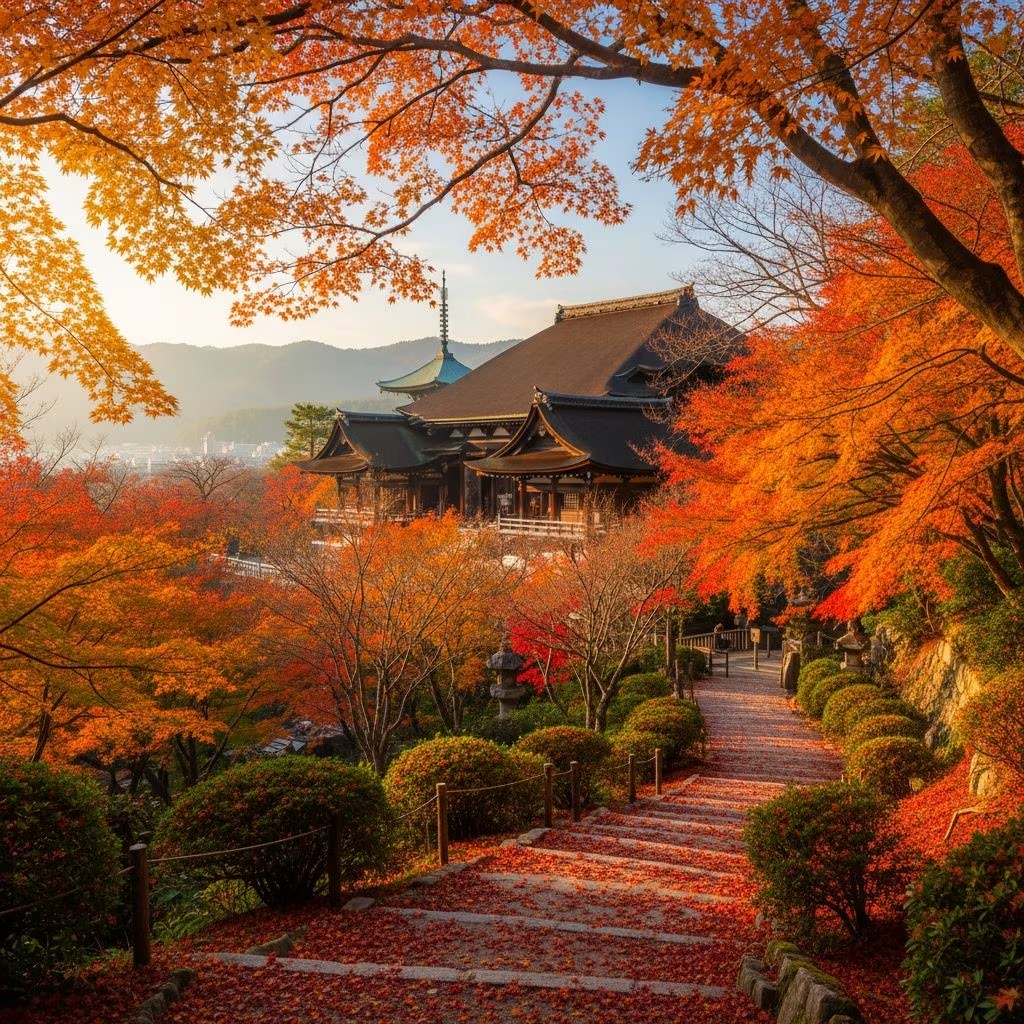
The autumn months transform Asia into a traveler’s paradise, offering a unique combination of favorable climate conditions, cultural celebrations, and breathtaking natural beauty. As summer heat subsides and winter’s arrival remains distant, fall presents an optimal window for exploring diverse Asian regions. This comprehensive guide examines the continent’s most rewarding autumn destinations, highlighting what makes each location special during this transitional season.
Autumn’s appeal in Asia extends beyond comfortable temperatures. The season brings distinctive characteristics to different regions: mountain areas reveal vibrant foliage, agricultural communities celebrate harvest festivals, and many destinations experience reduced visitor traffic compared to peak summer periods. These factors combine to create authentic experiences while maintaining the infrastructure and accessibility modern travelers expect.
The autumn window typically spans from September through November, though specific optimal periods vary by location. Early autumn suits higher-altitude regions, while late-season travel works better for tropical destinations. Understanding these nuances helps travelers plan itineraries that maximize natural beauty and festival participation.
Pakistan’s mountainous northern territories represent one of autumn’s most dramatic transformations. High-altitude valleys shift through spectacular color progressions as temperatures cool and vegetation responds to seasonal changes. The Hunza Valley exemplifies this transformation, offering visitors access to world-class mountain scenery without requiring technical climbing expertise.
The valley’s accessibility via the Karakoram Highway, one of the world’s most engineered mountain passages, makes it feasible for diverse traveler types. This legendary road provides views of peaks exceeding 8,000 meters, including approaches to the border regions where Pakistan meets China’s western provinces. The combination of manageable accessibility and dramatic landscape appeal makes autumn visits particularly rewarding.
India’s northernmost territories experience optimal visiting conditions during autumn months. The Ladakh region specifically benefits from reduced tourist congestion before winter snow restricts mountain access. The season offers clear skies ideal for photography and trekking, while high-altitude settlements remain accessible without the infrastructure strain of peak season.
The region’s Buddhist heritage sites, traditional villages, and stark desert landscapes create a multifaceted travel experience enhanced by autumn’s stable weather patterns. Visitors can navigate high-altitude trails and mountain passes with greater confidence during this window than either summer’s crowded conditions or winter’s closure periods.
Japan’s northern island undergoes profound aesthetic transformation during autumn months. Mountain areas, particularly higher elevations, display spectacular foliage patterns that attract regional and international visitors. The combination of mountain scenery and abundant thermal hot springs creates unique wellness opportunities unavailable in many other global destinations.
Specific locations like Mt. Asahidake and associated onsen facilities offer integrated experiences combining outdoor observation with traditional bathing culture. The season’s clear days provide optimal conditions for both scenic appreciation and the meditative qualities of thermal bathing in autumn settings.
The Hexi Corridor, stretching approximately 1,100 kilometers across northwestern China, represents one of history’s most significant overland trade routes. This desert expanse contains extraordinary cultural and religious heritage spanning multiple centuries of Buddhist artistic development.
The region contains several world-significant sites including monumental sculptures, military fortifications, and extensive cave temple complexes decorated with sophisticated mural traditions. Autumn’s cooler temperatures and clearer atmospheric conditions improve accessibility to these remote locations while reducing physical strain associated with desert travel during warmer months.
Southeast Asian destinations experience different seasonal patterns than their northern counterparts. The region’s tropical climate means autumn months coincide with periods transitioning from wet to dry conditions. This timing creates distinct advantages including reduced tourist volumes, lower accommodation costs, and the beginning of optimal weather windows.
Northern Vietnam’s dramatic limestone formations create some of Southeast Asia’s most visually striking landscapes. The region experiences ideal conditions during autumn months for extended motorcycle journeys through challenging terrain. The season’s weather stability, combined with harvest agricultural activities, creates vibrant cultural observations alongside natural beauty appreciation.
Specific routes through karst plateau regions showcase increasingly sophisticated geological formations as travelers ascend elevation levels. The autumn season brings cultural festivals celebrating agricultural cycles, adding human dimension to landscape-based travel experiences. These festivals feature traditional celebration patterns and community participation opportunities unavailable during other seasons.
Contrary to common assumptions, Thailand’s rainy season (September through November) offers distinct travel advantages. Lower visitor numbers create more authentic interactions with local communities, while accommodation prices decrease substantially. The rainfall itself creates lush landscape conditions and supports cultural practices specifically tied to seasonal cycles.
Specific cultural events like the Loy Krathong festival occur during this period, attracting both local and international participation. The festival’s timing within autumn months makes it an essential experience for understanding Thai cultural expression and spiritual practices connected to seasonal transitions.
South Korea experiences ideal autumn conditions combining comfortable temperatures with dramatic foliage displays. The Four Rivers Trail represents one of globally recognized recreational cycling routes, providing extended opportunities for active landscape engagement across diverse regional settings.
This 633-kilometer route traverses the country’s geography using established infrastructure specifically designed for bicycle touring. The trail’s path follows major river systems, providing diverse environmental contexts and access to cultural sites without requiring significant climbing. Autumn’s weather stability ensures high success rates for extended multi-day cycling journeys.
East Asian autumn brings traditional celebrations marking seasonal transitions and honoring cultural heritage. Specific regional events offer windows into local customs, artistic traditions, and community values. These celebrations occur annually during consistent timeframes, enabling travelers to plan itineraries incorporating festival participation.
Mongolia’s western regions preserve centuries-old hunting traditions featuring trained golden eagles as hunting partners. October timing aligns with seasonal eagle hunting activities and associated cultural celebrations. These events demonstrate historical relationships between humans and animals within Central Asian steppe ecosystems.
The Golden Eagle Festival specifically showcases these traditions through structured competitions allowing international observation of eagle-training mastery and hunting partnership dynamics. The season’s cooler temperatures align with traditional hunting calendars while providing comfortable conditions for festival attendance and related travel.
October brings temperature reductions and visitor decreases, creating conditions for more authentic cultural encounters. Lower tourism volumes mean interactions with local communities occur on less commercialized terms, enabling deeper cultural understanding and genuine exchange opportunities.
| Region | Key Attraction | Optimal Timeframe | Primary Appeal |
|---|---|---|---|
| Pakistan | Hunza Valley | September-October | Mountain foliage, scenic routes |
| India | Ladakh | September-October | Clear skies, reduced crowds |
| Japan | Hokkaido | September-October | Fall colors, thermal spas |
| China | Hexi Corridor | September-October | Archaeological sites, desert landscapes |
| Vietnam | Ha Giang | September-November | Motorcycle routes, festivals |
| Thailand | Countrywide | September-November | Lower costs, cultural festivals |
| South Korea | Four Rivers Trail | September-October | Cycling infrastructure, foliage |
| Mongolia | Western Regions | October | Eagle festivals, nomadic culture |
Autumn conditions vary dramatically across Asia’s diverse geography. Mountain regions require layered clothing accommodating significant temperature fluctuations between sun and shade. Tropical destinations experience rainfall despite lower volumes than peak wet seasons. Desert regions maintain extreme day-night temperature differentials characteristic of arid environments.
Different destinations demand varying physical fitness levels. Mountain journeys require endurance and altitude acclimatization capabilities. Cycling routes necessitate sustained physical effort across multiple consecutive days. Cultural festival participation may involve standing periods and crowded conditions. Travelers should assess personal capabilities against specific destination demands.
Autumn represents shoulder season across much of Asia, affecting accommodation availability and pricing. Early booking provides better selection during peak autumn weeks, while late-season travel offers increased availability and lower costs. Transportation infrastructure varies by destination, with established routes more developed than remote locations.
Autumn offers balanced conditions between summer crowds and winter accessibility limitations. Weather generally stabilizes after monsoon patterns, temperatures become moderate at higher elevations, and many destinations experience reduced international visitor volumes. Additionally, numerous cultural festivals concentrate during autumn months across multiple Asian regions.
Destinations with established tourist infrastructure like Thailand, South Korea, and Japan provide comfortable introductions to autumn Asian travel. These locations balance authentic cultural experiences with modern amenities and clear information resources. Travelers can gradually progress to more remote or demanding destinations after gaining regional familiarity.
Gradual acclimatization through progressive elevation exposure reduces altitude-related discomfort. Arriving several days before high-altitude activities allows physiological adjustment. Staying hydrated, avoiding excessive physical exertion initially, and recognizing altitude sickness symptoms enables safer mountain travel experiences.
Festival experiences require respect for cultural significance underlying celebrations. Observing from appropriate distances, requesting permission before photography, and dressing respectfully demonstrates cultural sensitivity. Local tourism offices provide specific guidance about appropriate participation levels for individual festivals.
Accommodation and tour pricing generally decrease during shoulder seasons compared to peak summer periods. Flight costs vary based on booking timing and specific route popularity. Early autumn often maintains higher pricing due to continued summer demand, while late autumn typically offers better value as peak season approaches winter.
Successful autumn Asian travel requires balancing spontaneity with adequate planning. Key transportation routes experience seasonal increases in traffic as visitors concentrate during optimal weather windows. Booking accommodations in advance ensures availability at preferred locations, particularly in smaller communities with limited lodging options.
Travel insurance becomes increasingly important when pursuing active adventures like motorcycle journeys or high-altitude trekking. Medical facilities vary dramatically between urban centers and remote regions, making coverage evaluation essential. Understanding personal comfort thresholds with uncertainty and challenging conditions informs realistic itinerary planning.
Language barriers decrease in heavily touristed regions but remain significant in remote areas. Translation applications provide basic communication support, while hiring local guides offers deeper cultural access and safety advantages. The investment in guide services often repays through enriched experiences and problem resolution capabilities.
Autumn emerges as a distinctly rewarding season for Asian exploration, combining practical advantages with aesthetic and cultural richness. The continent’s diverse geography ensures varied experiences across different regions, accommodating diverse travel preferences and physical capabilities. From mountain valleys displaying seasonal color transformations to cultural celebrations preserving centuries-old traditions, autumn provides multiple dimensions of engagement with Asian destinations. Strategic planning accounting for regional climate variations, cultural considerations, and personal capabilities transforms autumn journeys into memorable experiences capturing Asia’s distinctive character during its transitional season.
