


 Food & Culture
Food & Culture
Best Bars in New Orleans: Historic Cocktails, Neighborhood Spots & More
Explore New Orleans' most celebrated drinking establishments, from historic French Quarter institutions to modern craft cocktail lounges featuring signature drinks and authentic local atmosphere.
 Food & Culture
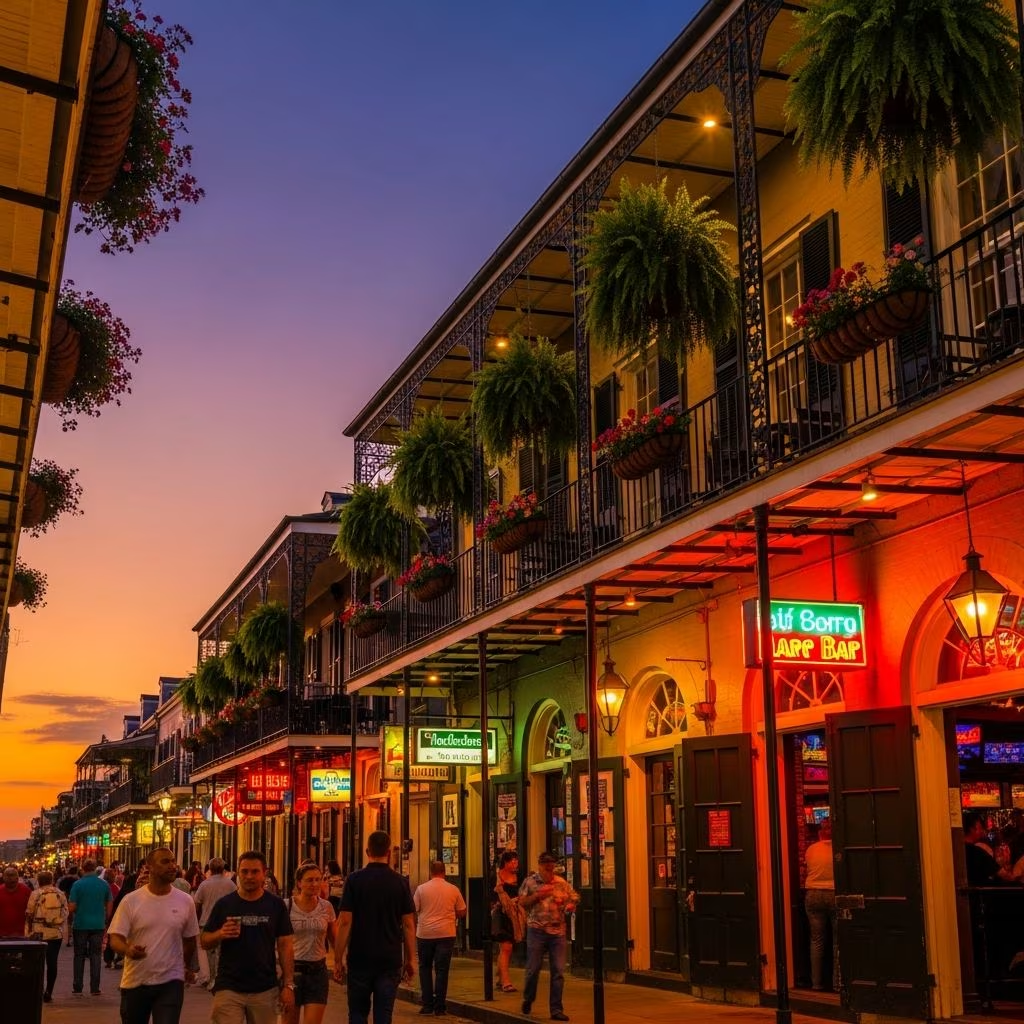
New Orleans stands as one of America’s premier drinking destinations, with a rich cocktail heritage spanning centuries and a vibrant bar culture that defines the city’s social landscape. The city’s relationship with beverages extends far beyond casual consumption—it represents a fundamental aspect of New Orleans’ identity, history, and cultural expression. From dimly lit institutions that have served patrons for generations to contemporary craft cocktail establishments pushing creative boundaries, New Orleans offers an unparalleled drinking experience that attracts visitors and locals alike.
The drinking scene in New Orleans is characterized by remarkable diversity, encompassing everything from dive bars tucked away on quiet side streets to upscale lounges housed in historic hotels. Many establishments have become pilgrimages sites for cocktail enthusiasts worldwide, particularly those seeking to experience the birthplace of classic American cocktails. Understanding the landscape of New Orleans’ drinking culture requires exploring multiple venues across different neighborhoods, each offering distinct atmospheres, signature beverages, and stories that intertwine with the city’s complex history.
Historic Establishments With Deep Roots
The foundation of New Orleans’ drinking culture rests upon establishments that have operated for decades or even centuries, each serving as living monuments to the city’s evolution. These historic venues maintain traditions while adapting to contemporary expectations, creating spaces where past and present coexist seamlessly.
Ancient Institutions and Their Significance
Among the city’s most venerable drinking establishments, several claim distinctions as some of America’s oldest continuously operating bars. These venues have survived wars, economic downturns, natural disasters, and social upheavals, remaining fixtures within their communities through commitment to tradition and quality service. The architectural elements, furnishings, and design choices within these establishments often reflect the eras in which they were established, providing visual connections to historical periods.
Many historic bars feature dark wood paneling, vintage fixtures, and original bars constructed from materials no longer commonly used. These design elements transcend mere decoration—they serve as physical manifestations of the bar’s longevity and the experiences countless patrons have shared within their spaces. The patina, wear patterns, and accumulated history visible in these details create atmospheres that newer establishments, regardless of investment, struggle to replicate authentically.
The Era-Defining Hotel Bar Experience
Several of New Orleans’ most celebrated drinking venues operate within historic hotels, occupying spaces originally designed as gentlemen’s clubs, lounges, or exclusive social venues. These establishments often underwent significant transformations, transitioning from restrictive membership models to welcoming public establishments. The architectural grandeur, including hand-painted murals, ornate fixtures, and carefully curated furnishings, transports visitors to specific historical periods while maintaining contemporary service standards.
The hotel bar experience in New Orleans typically emphasizes ambiance and sophistication, with drink selections carefully curated to complement the historical setting. Plush leather seating, intimate lighting, and professional service create environments where patrons feel transported from their everyday existence. These venues serve as ideal destinations for special occasions or evenings when visitors seek refined atmospheres distinct from casual neighborhood bars.
Signature Cocktails and New Orleans’ Contribution to Mixology
New Orleans’ influence on global cocktail culture cannot be overstated, with the city serving as birthplace or development ground for numerous classic cocktails now served worldwide. Understanding these signature beverages provides insight into the city’s cultural significance and the craftsmanship embedded within its drinking establishments.
Essential Classic Cocktails
The Sazerac stands as perhaps the most iconic New Orleans cocktail, featuring rye whiskey and distinctive bitters that originated in the city. This drink encapsulates New Orleans’ contribution to American mixology, representing the intersection of local ingredients, historical accident, and refined technique. The Sazerac’s prominence extends beyond its taste profile—it serves as cultural symbol and educational tool for understanding the city’s history.
The French 75 represents another essential New Orleans cocktail, combining champagne with gin and citrus in combinations that vary subtly between establishments. Historically served in gentlemen-only bars before becoming available to broader audiences, this cocktail embodies the social evolution reflected in the city’s drinking venues. Its effervescent character and elegant presentation make it particularly suitable for aperitif service or celebratory occasions.
The Hurricane cocktail, invented at a legendary French Quarter establishment, demonstrates how local bars contributed original creations to the cocktail canon. This sweet, rum-based beverage became synonymous with casual French Quarter drinking and tourist experiences, though its origins reflect intentional bartender creativity rather than accidental development. The Hurricane’s popularity illustrates how signature drinks can define a venue’s identity and generate lasting cultural impact.
Contemporary Cocktail Innovation
Modern New Orleans bartenders build upon classical foundations while introducing novel techniques, ingredients, and presentations. Contemporary cocktail bars feature house creations that frequently incorporate locally sourced components, unusual spirits, and experimental flavor combinations. These establishments maintain respect for classic cocktail traditions while demonstrating that New Orleans’ contribution to mixology continues expanding rather than remaining frozen in historical moments.
Craft cocktail bars throughout the city employ bartenders who function as both mixologists and educators, explaining ingredient selections, preparation techniques, and historical contexts to patrons. This educational approach transforms drink consumption into experiential learning, enabling visitors to appreciate the knowledge and skill embedded within cocktail creation. Many establishments feature rotating seasonal menus that respond to ingredient availability and contemporary flavor trends while maintaining connections to classical cocktail principles.
Neighborhood-Specific Drinking Culture
Different New Orleans neighborhoods cultivate distinct drinking environments reflecting local demographics, historical development, and commercial evolution. Exploring various districts reveals how drinking culture adapts to specific geographic and social contexts.
The French Quarter Experience
The French Quarter remains New Orleans’ most densely concentrated drinking destination, featuring establishments ranging from casual dive bars to sophisticated cocktail lounges. This neighborhood’s drinking culture encompasses both tourist-oriented venues and local institutions, creating an environment where visitors and residents navigate shared spaces. The French Quarter’s narrow streets, historic architecture, and pedestrian-friendly design facilitate bar-hopping culture, enabling patrons to sample multiple venues during single evenings.
The neighborhood’s character varies significantly between different blocks and times of day. Certain streets maintain raucous party atmospheres, while quieter alleyways harbor intimate venues catering to patrons seeking sophisticated drinks and conversation. This diversity within concentrated geography allows visitors to calibrate their experiences according to preferences, discovering quiet refuges or vibrant social scenes based on their inclinations and energy levels.
Emerging Neighborhoods and Alternative Scenes
Beyond the tourist-centric French Quarter, other New Orleans neighborhoods host thriving drinking establishments catering primarily to local communities. These venues often feature lower price points, neighborhood-specific aesthetics, and strong community connections that distinguish them from tourist-oriented venues. Many locals prefer these neighborhood bars, which offer authentic socializing experiences without navigating crowds or elevated pricing structures.
Certain neighborhoods have experienced renaissance periods driven partly by emerging bar scenes attracting younger demographics and creative professionals. These areas typically feature renovated historic buildings repurposed as drinking venues, maintaining architectural character while updating interiors for contemporary comfort. The establishment of quality cocktail bars in previously overlooked neighborhoods contributes to broader urban revitalization while maintaining local character distinct from gentrification patterns seen in other American cities.
Specialized Venue Formats and Experiences
New Orleans’ drinking culture extends beyond traditional standalone bars, encompassing specialized venues offering unique environments and experiences.
Food and Beverage Integration
Numerous New Orleans establishments blur boundaries between bars and restaurants, offering food programming alongside drink service. These venues provide advantages for patrons seeking extended social experiences, as food availability facilitates longer visits and creates balanced consumption patterns. Many bars feature collaborations with renowned chefs or maintain kitchens capable of executing sophisticated cuisine, transforming drinking venues into culinary destinations.
Food hall concepts have emerged in New Orleans, housing multiple beverage vendors within single locations. These spaces attract diverse crowds seeking variety in both food and drink options, with central bar areas serving as social nexuses. The food hall format represents contemporary urban development trends adapted to New Orleans’ cultural context, providing modernized versions of traditional gathering spaces.
Live Music Integration
Live music programming distinguishes many New Orleans bars, reflecting the city’s cultural primacy in American music traditions. Numerous establishments feature jazz, blues, funk, or other live performances regularly, making music integral to the drinking experience rather than supplementary entertainment. Some venues emphasize musicianship and acoustic quality, featuring professional musicians performing standards or original compositions. Others embrace more casual performances where musicians interact directly with drinking patrons, creating collaborative social environments.
The integration of live music extends beyond established performance spaces, with street musicians and informal performers creating spontaneous music throughout the French Quarter. This organic music culture contributes to New Orleans’ distinctive sensory environment, where visitors encounter performances throughout evenings regardless of venue selection.
Wine and Specialty Beverage Focus
Distinct from traditional cocktail bars, wine-focused establishments have proliferated in New Orleans, offering curated selections reflecting global wine regions and production philosophies. These venues typically employ knowledgeable staff capable of providing recommendations aligned with patron preferences and budget parameters. Many wine-focused establishments maintain relaxed atmospheres emphasizing conversation and education over commercial transaction, creating spaces where patrons linger over selections.
Specialty beverage venues focusing on beer, spirits, or other categories have similarly emerged throughout the city. These establishments often feature rotating selections, educational programming, and staff expertise enabling patrons to explore beverage categories systematically. The proliferation of specialty venues reflects broader American beverage trends while adapting to New Orleans’ cultural traditions and local preferences.
Distinctive Design and Atmospheric Elements
New Orleans bars distinguish themselves through deliberate design choices creating immersive environments transcending simple beverage service.
Architectural preservation and restoration efforts maintain period-appropriate aesthetics in many establishments, with original fixtures, building materials, and design elements carefully preserved. These choices communicate respect for historical contexts while demonstrating commitment to authenticity. Conversely, some modern establishments employ contemporary design languages, creating deliberate contrasts with surrounding historic neighborhoods. Both approaches reflect conscious choices about brand identity and target market positioning.
Lighting design significantly influences bar atmospheres, with many establishments emphasizing dim, intimate illumination contrasting with bright, energetic alternatives. Dim lighting creates coziness and privacy, facilitating conversation and romance, while brighter environments energize crowds and facilitate social interactions among strangers. Many venues employ layered lighting systems enabling atmospheric adjustment based on time of day and crowd characteristics.
Practical Considerations for Visitors
Navigating New Orleans’ Drinking Scene
- Begin explorations in familiar neighborhoods before venturing into less-touristed areas as confidence and local knowledge develop
- Research specific venues beforehand to understand atmospheres, price ranges, and programming that align with personal preferences
- Visit during off-peak hours to experience venues in less crowded conditions, facilitating staff interaction and observation
- Sample multiple venues on single evenings to understand the breadth of New Orleans’ drinking culture
- Respect local customs and bar-specific traditions that distinguish New Orleans venues from establishments elsewhere
Understanding Pricing and Service
New Orleans bars display remarkable pricing diversity, ranging from budget-friendly casual venues to high-end establishments commanding premium prices. Tourist-oriented French Quarter venues typically charge higher prices than neighborhood bars, reflecting commercial strategies and demographic targeting. Many venues offer happy hour specials providing discounted pricing during specific time windows, enabling budget-conscious patrons to access otherwise expensive establishments.
Service quality and staffing capabilities vary considerably between venues, reflecting investment levels and operational philosophies. High-end cocktail bars typically employ extensively trained staff capable of preparing complex drinks and offering knowledgeable recommendations. Casual neighborhood bars may prioritize efficiency and community over elaborate drink preparation, reflecting different service models appropriate to their contexts.
Frequently Asked Questions
Q: What is the best time to visit New Orleans bars?
A: New Orleans bars operate during different hours based on establishment type and neighborhood. Daytime visits to casual bars provide different experiences than nighttime visits to the same venues. Weekend evenings typically attract larger crowds than weekday afternoons. Consider your preferences regarding crowd size and energy levels when planning visits.
Q: Are there dress codes in New Orleans bars?
A: Dress codes vary considerably by venue, with casual establishments typically accommodating all attire while upscale hotels bars may enforce more formal requirements. Research specific venues beforehand to understand expectations and plan appropriate clothing.
Q: Can visitors explore multiple bars in single evenings?
A: Yes, bar-hopping remains a popular tourist activity in New Orleans, particularly in the French Quarter where numerous venues exist within walking distance. Plan routes considering location efficiency and maintain food consumption and hydration throughout evenings.
Q: What are appropriate tipping practices in New Orleans bars?
A: Standard American tipping conventions apply in New Orleans, with 15-20% for table service and $1-2 per drink for bar service representing typical expectations. Exceptional service or special circumstances may warrant higher tips reflecting satisfaction levels.
References
- The Sazerac: A New Orleans Classic Cocktail — Tales of the Cocktail (International Foundation). 2024. https://talesofthecocktail.com/
- Cocktails: A Tipsy Love Affair with the’s Most Seductive Drink — Simon Difford, Class Magazine. 2023. https://www.diffordsguide.com/
- Best Bars in New Orleans — Imbibe Magazine. 2024. https://imbibemagazine.com/
- The New Orleans Bar Guide — Travel + Leisure Editorial Team. 2025. https://www.travelleisure.com/
On This Page
Historic Establishments With Deep Roots Signature Cocktails and New Orleans' Contribution to Mixology Neighborhood-Specific Drinking Culture Specialized Venue Formats and Experiences Distinctive Design and Atmospheric Elements Practical Considerations for Visitors Frequently Asked Questions← Previous
How to Get Around Scotland Without a Car
Next →
El Yunque National Forest Guide: Puerto Rico’s Rainforest Day Trip
Related Reading
More in Food & Culture
Food & Culture Food & Culture
 Food & Culture
Best Places to Eat in Rome: Neighborhood Dining Guide
 Food & Culture
 Food & Culture