

 Travel Essentials
 Travel Essentials

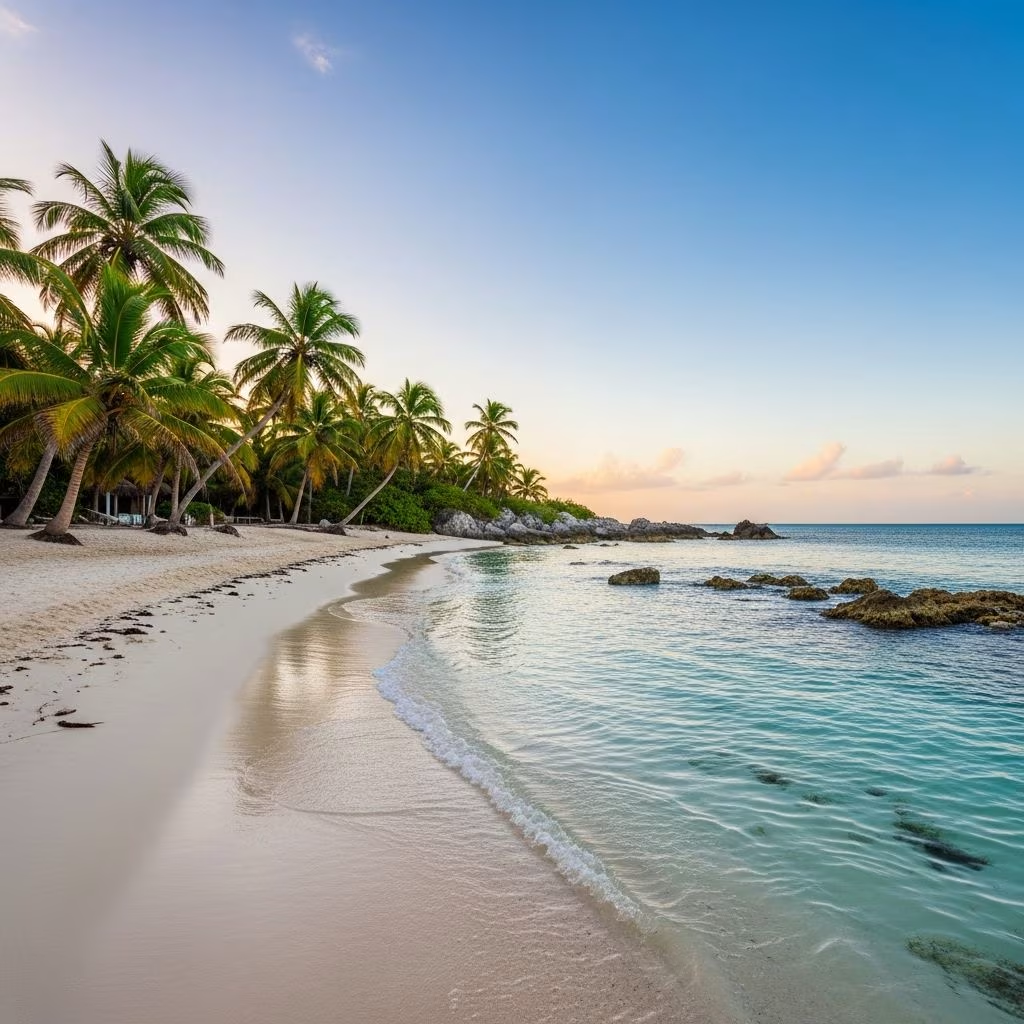
Explore Havana's premier beach destinations featuring soft sand, clear waters, and local charm beyond the city center.
 Travel Essentials
While Havana captivates visitors with its colonial architecture, vintage automobiles, and vibrant culture, the Cuban capital also serves as a gateway to some remarkable coastal retreats. Located along the eastern corridor known as Playas del Este, these waterfront havens sit remarkably close to the bustling urban center, yet offer a completely different experience. The beaches stretch approximately 24 kilometers along Cuba’s northern coast, positioned just half an hour away from Old Havana, making them accessible for both full-day excursions and refreshing afternoon getaways.
Unlike the overdeveloped resort environments found in other Caribbean destinations, Havana’s beaches maintain an authentic character. The coastline features naturally soft and powdery sand, consistently warm shallow waters, and a laid-back atmosphere that attracts both tourists and locals seeking respite from city heat. The region remains largely underdeveloped compared to other Caribbean islands, with minimal hotel infrastructure and virtually no large all-inclusive complexes dominating the landscape.
The Playas del Este corridor encompasses a series of distinct beach zones that cater to different preferences and interests. From north to south, travelers encounter various sections, each with its own character and amenities. The beaches prove accessible primarily through local bus transportation or private taxi services, with journey times ranging from 20 to 40 minutes depending on the specific destination and starting point within Havana.
The main transportation route connects central Havana to the eastern beaches via a dedicated road that parallels the coastline. During peak travel times, this route can become congested, but off-peak hours typically offer faster transit. Multiple bus lines service different beach areas, with local knowledge proving invaluable for navigating the system efficiently. Organized tours also operate from the city center, providing transportation and sometimes including additional amenities such as lunch or water activities.
Standing as the largest and most developed of Havana’s beaches, Playa Santa María del Mar stretches an impressive nine kilometers along the coast. This expansive stretch of sand serves as the primary destination for many visitors due to its size, accessibility, and comprehensive facilities. The beach’s width and length provide ample space for visitors to find peaceful spots even during moderately busy periods.
The main beach area features established infrastructure including beachfront restaurants, changing facilities, and equipment rental services for water sports enthusiasts. The sand quality ranks among the finest in the region, maintaining that characteristic powder-soft texture throughout most of the year. Water clarity and temperature remain consistently pleasant for swimming, with shallow zones extending well into the bay, making the area suitable for families with children.
The beachfront promenade includes vendors offering refreshments and snacks, though prices tend toward tourist rates. Local restaurants near the beach serve fresh seafood and Cuban specialties at moderate costs, particularly if dining away from directly beachfront locations. The beach operates throughout daylight hours, though access remains technically available 24 hours for those interested in evening swimming or nighttime beach walks.
Positioned among the northern sections of the beach corridor, Playa Bacuranao distinguishes itself through the presence of coral reef formations extending from its shores. This geological feature transforms the beach into a premier location for snorkeling enthusiasts and underwater explorers. The proximity of coral systems to shallow water zones makes this destination particularly attractive for visitors seeking marine biodiversity without requiring advanced diving certification.
The coral ecosystem supports diverse fish species and other marine organisms, creating opportunities for meaningful underwater observation. Snorkeling equipment rental services operate along the beach, though many visitors prefer bringing their own gear to ensure comfort and familiarity. The relatively calm waters and manageable depths make Bacuranao suitable for snorkelers of varying experience levels, from complete beginners to more experienced underwater explorers.
Compared to other beaches in the corridor, Bacuranao attracts fewer casual tourists, resulting in a more intimate atmosphere. The shoreline features a compact format, creating a cozy beach experience rather than sprawling vastness. Local families and regular Havana visitors frequent this location, contributing to an authentic Cuban beach culture less influenced by international tourism patterns.
Situated in the northern reaches of the beach corridor, Playa Tarará holds historical importance in Cuban cultural memory. The beach carries distinct character through its relatively undeveloped state compared to neighboring areas, maintaining a quieter, more secluded atmosphere. The beach tends to attract visitors seeking escape from busier coastal zones, offering a more contemplative beach experience.
The shoreline configuration creates intimate coves and varied landscape features, providing visual interest beyond simple sand and water. Tarará appeals particularly to photographers and nature observers who appreciate the beach’s less manicured aesthetic. The reduced commercial infrastructure around this area means fewer dining and amenity options, making it advisable for visitors to bring provisions or plan dining elsewhere.
Known informally as an LGBTQ+-welcoming destination, Playa Boca Ciega has established itself as an inclusive beach space within the Havana region. The beach’s reputation stems from both official designation and organic community development, with visitors typically encountering a friendly, open atmosphere. The designation as a recognized inclusive space demonstrates evolving attitudes toward social acceptance across Cuban society.
The beach’s more compact size compared to sprawling Santa María creates a community-oriented environment where visitors naturally interact and socialize. The smaller scale means the beach rarely becomes overwhelmingly crowded, maintaining comfortable population density even during peak seasons. Boca Ciega often includes nearby Mégano when discussed as a unified beach experience, as the two areas sit in close proximity with similar characteristics.
Extending the beach corridor toward the east, Playa Guanabo represents a different beach concept by incorporating a substantial residential community. Approximately 15,000 residents inhabit Guanabo, with the main street running parallel to the shoreline and creating a genuine beach town rather than an isolated coastal zone. This community-integrated approach offers visitors opportunities to experience authentic Cuban coastal living alongside beach recreation.
The beach itself maintains quality comparable to other destinations in the corridor, with soft sand and warm waters. However, the surrounding town infrastructure provides advantages absent from more isolated beach areas. Restaurants, shops, and services operate throughout the town, catering to both residents and visitors. The local culture proves less tourism-focused than other beaches, providing cultural authenticity and genuine interaction opportunities with community members.
Guanabo attracts many residents seeking weekend or day-trip escapes from central Havana, creating a more Cuban-oriented visitor demographic compared to internationally-focused tourist beaches. This composition creates opportunities for cultural exchange and insight into how local communities utilize and value these coastal spaces.
Representing an alternative beach experience, Club Habana operates as a private beach facility featuring membership-based or day-use access models. The venue combines beach amenities with clubhouse facilities, creating a more comprehensive recreational environment. Day passes enable non-members to access beaches and facilities for a daily fee, typically providing premium amenities and services.
The club environment offers organized activities, dining facilities, and recreational programs unavailable at public beaches. Visitors seeking a more structured or comprehensive beach day often prefer this option, though the associated costs exceed those of public beach visits. The facility attracts an international and upscale Cuban clientele, creating a distinct social environment compared to public beach areas.
| Characteristic | Details |
|---|---|
| Sand Composition | Soft, powdery texture throughout most beaches |
| Water Temperature | Consistently warm year-round, shallow zones suitable for families |
| Development Level | Minimal commercial development, few large resort complexes |
| Accessibility | Public bus transportation available, approximately 20-40 minutes from downtown |
| Peak Season | November through April offers pleasant weather and lower humidity |
| Accommodation Options | Limited beachfront hotels, most lodging concentrated in central Havana |
Transportation represents the primary logistical consideration for beach visits. Public buses operate regularly to various beach destinations, though schedule reliability varies. Local knowledge about bus routes and stops proves essential for efficient navigation. Alternatively, private taxi services or organized tour groups provide more predictable transportation but at higher costs.
Facilities and services vary significantly among different beach areas. The major beaches including Santa María del Mar include established vendor networks and restaurant options, while more remote destinations offer minimal infrastructure. Planning meals accordingly and considering provisions for extended visits ensures comfortable experiences regardless of beach selection.
Entry fees apply to certain facilities including Club Habana and some organized beach areas, while public beaches remain free. Visitors should clarify any potential costs before settling into specific beach locations to avoid unexpected expenses.
Currency considerations matter for beach vendors and restaurants, with many locations accepting both Cuban pesos and convertible currency. However, exchange rates favor transactions in convertible currency, making this the preferred payment method for most visitors.
For families with children: Playa Santa María del Mar offers the most comprehensive facilities, widest sandy areas, and gentlest water conditions suitable for young swimmers.
For water sports and snorkeling: Playa Bacuranao provides the most compelling underwater experiences through coral reef accessibility and clear water visibility.
For cultural immersion: Playa Guanabo integrates beach recreation with authentic town experiences, offering insights into Cuban coastal community life.
For inclusive and welcoming spaces: Playa Boca Ciega creates an explicitly welcoming environment for LGBTQ+ travelers.
For premium amenities: Club Habana provides organized facilities, dining, and recreational programs for visitors seeking comprehensive services.
For quieter atmospheres: Playa Tarará and other northern beaches attract fewer tourists, creating more peaceful environments for contemplation and photography.
Havana’s beach season peaks from November through April when temperatures remain comfortable and humidity levels drop. During these months, weather proves most favorable for beach activities, with reliable sunshine and minimal rainfall. The summer months bring higher temperatures, increased humidity, and occasional tropical weather systems, though swimming remains feasible year-round.
Hurricane season extends from June through November, with peak activity in September and October. Travelers planning visits during these months should monitor weather patterns and remain aware that some beach facilities may close during tropical weather events.
Beach visits complement rather than replace central Havana’s attractions. Many travelers structure multi-day visits to include both urban exploration and coastal recreation. Combining beach days with cultural visits, historical site tours, and culinary experiences creates well-rounded Cuban vacations. Transportation accessibility makes alternating between city and beach experiences convenient and manageable.
